Est. 1886 · Oldest operating Spiritualist camp in the United States · National Register of Historic Places (2002) · 1925: 14 mediums arrested · 1960: Infrared film exposed séance fraud · 1977: Lamar Keene published 'The Psychic Mafia' whistleblower exposé
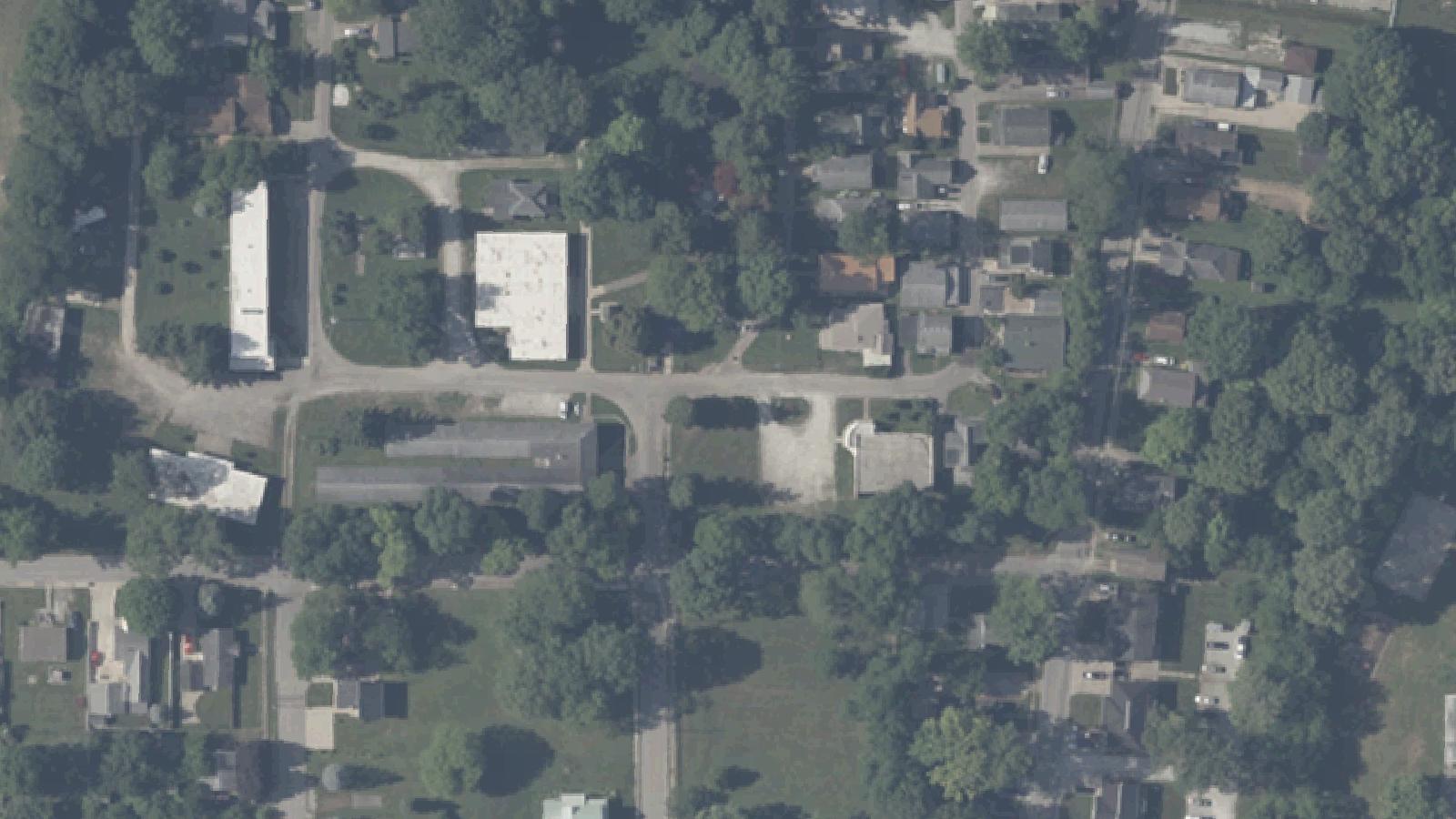
Camp Chesterfield was founded in 1886 in the small town of Chesterfield, Indiana, by members of the Spiritualist movement — a religious tradition that holds communication with the dead to be possible and demonstrable. The camp sits on 34 acres near Anderson in Madison County and has operated continuously for more than 130 years, making it the oldest Spiritualist camp in the United States and one of the longest-running alternative religious communities in the country.
The camp's history of fraud is unusually well-documented. In 1925, fourteen mediums operating at Camp Chesterfield were arrested — a significant enforcement action that reflected broader skeptical scrutiny of Spiritualist practices in the interwar period. The arrests did not close the camp. A more technically dramatic exposure came in 1960, when investigators used infrared film to record séances without the darkness conditions mediums required. The footage documented spirit-materialization performances being conducted by mediums in disguise, producing apparitions through physical rather than supernatural means.
In 1976, medium M. Lamar Keene — who had worked at Camp Chesterfield — began cooperating with investigators and the following year published 'The Psychic Mafia,' a first-person account of how he and colleagues staged séances, fabricated communications with the dead, and systematically deceived grieving clients. The book remains one of the most detailed inside accounts of fraudulent mediumship practice in American history.
Despite these exposures, Camp Chesterfield continued operating as an active Spiritualist community. In 2002, the property was added to the National Register of Historic Places, recognizing its significance as an intact example of American Spiritualist architecture and community planning. The camp remains open to visitors and continues to host mediumship demonstrations, spiritual retreats, and community events.
Sources
- https://en.wikipedia.org/wiki/Camp_Chesterfield
- https://campchesterfield.net/history/
- https://www.higgypop.com/news/inside-camp-chesterfield/
Spirit materializations (documented as fraudulent via infrared film, 1960)Mediumship demonstrations (active, ongoing)Claims of communication with the deceased
The Spiritualist tradition at Camp Chesterfield rests on the claim that trained mediums can facilitate communication between the living and the dead. Spirit materialization — séances in which physical forms of deceased persons were said to appear — was a specialty of several Camp Chesterfield practitioners in the mid-20th century. These materializations were the target of the 1960 infrared film investigation, which documented individuals in medium garb performing as spirits in the darkened séance conditions that prevented ordinary observation.
Lamar Keene's 1977 book 'The Psychic Mafia' described in specific detail how mediums obtained information about clients in advance, coordinated with each other to share records on grieving relatives, and staged materializations using physical props and disguise. Keene had worked at multiple Spiritualist camps including Chesterfield, and his account named specific techniques and identified the community as aware of the fraudulent practices.
What makes Camp Chesterfield unusual as a dark-tourism site is that its core claim — contact with the dead — has been formally tested and found to involve deception, yet the community has continued operating, attracting visitors who come both as believers and as students of American religious fraud history. The camp holds an unusual double status: an active religious community and a documented site of institutionalized deception. Both histories are public record, and the camp does not appear to suppress discussion of the fraud exposures.
Notable Entities
M. Lamar Keene — former medium turned whistleblower