Est. 1872 · Second-Largest Federal Residence in the United States · Rock Island Confederate Prison — 1863–1865 · Confederate Prison Cemetery · US Army Sustainment Command Historic Landmark
Arsenal Island, a 946-acre island in the Mississippi River between Rock Island, Illinois, and Davenport, Iowa, has been a US military installation since 1816. Congress authorized the Rock Island Arsenal in 1862, and construction began during the Civil War while the island simultaneously served another purpose: a prisoner-of-war camp.
The Rock Island Confederate Prison opened in December 1863. By the summer of 1864, approximately 12,000 Confederate soldiers were confined on the island's north side in a camp designed for far fewer prisoners. The camp became notorious for disease: a smallpox outbreak in the winter of 1863–64 killed prisoners and guards alike, and pneumonia was a persistent secondary cause of death. The official count of Confederate deaths at Rock Island Prison is approximately 1,960, though some historical estimates place it higher. A Confederate cemetery on the island still contains approximately 1,960 graves.
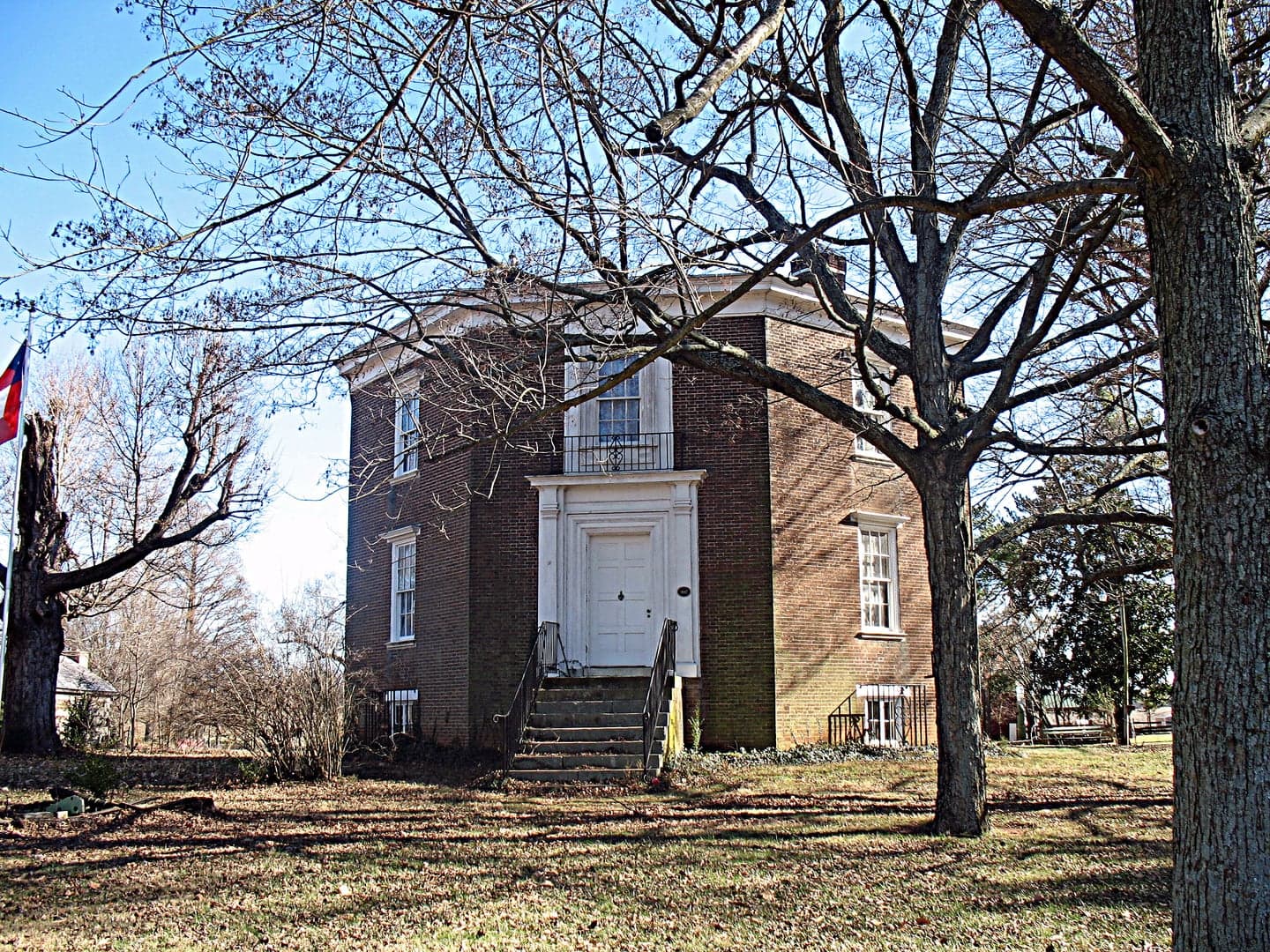
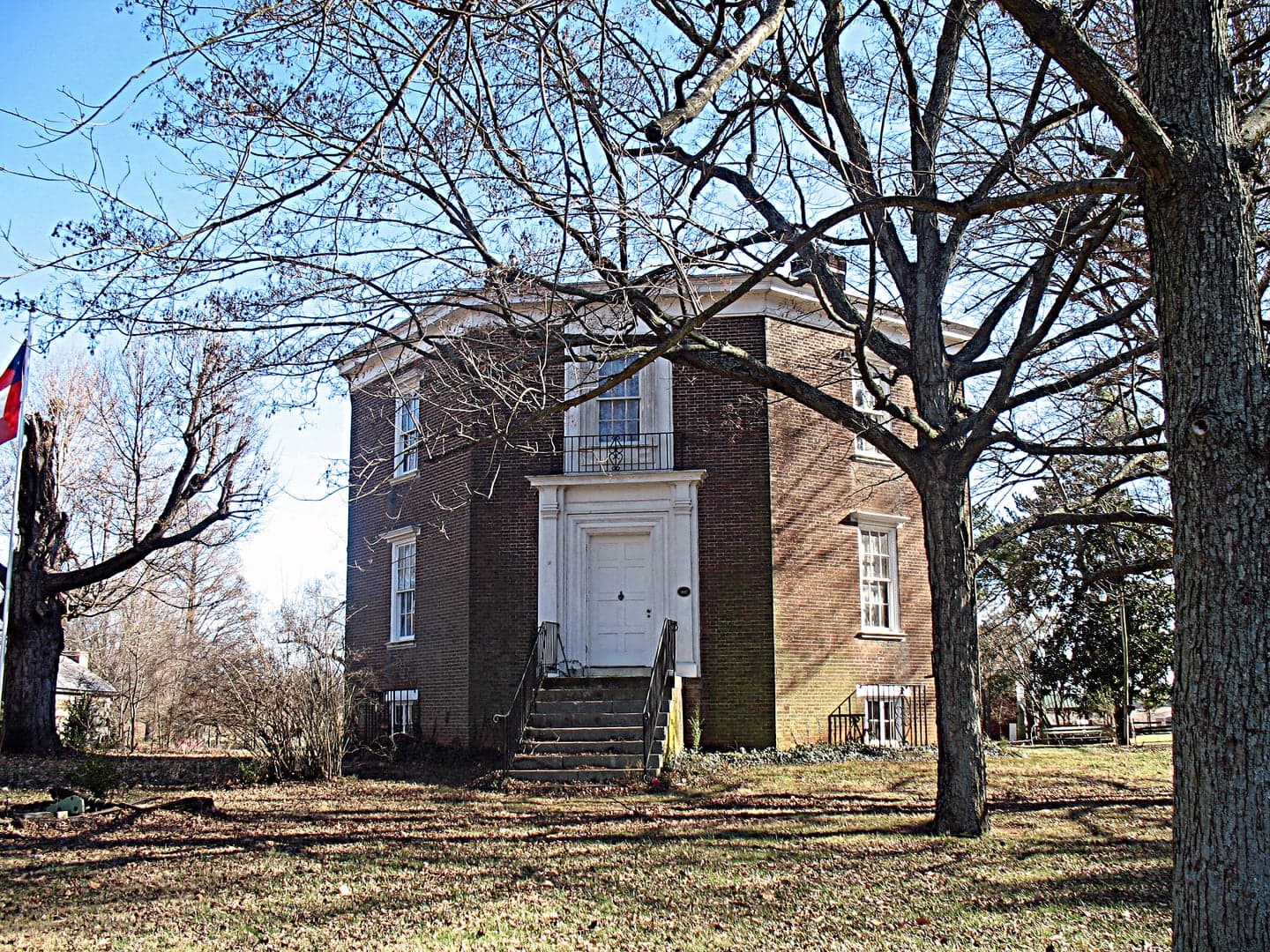
Brigadier General Thomas J. Rodman, who oversaw the arsenal's establishment and early development, never occupied Quarters One — he died of a stroke in June 1871, before the house was completed in 1872. The house was built to his specifications and named in his honor. It served as the commanding general's official residence for over a century, with the commanding general of the Army Sustainment Command as its occupant in later decades.
At 51 rooms and 21,965 square feet, Quarters One is the second-largest federal residence in the United States, behind only the White House. Two commanding officers died inside the house during its operational life. US Army records note that early military occupancy records were incomplete or never kept, making a full historical accounting of the house's population difficult.
The Army Sustainment Command, which has managed Arsenal Island since the early 2000s, allowed Quarters One to fall vacant when the commanding general relocated off-island. The house's operational future has been discussed periodically in local news. Access to Arsenal Island requires a visitor pass; first-time visitors obtain it through the Visitor Welcome Center outside Moline Gate with a valid REAL-ID or U.S. Passport.
Sources
- https://www.army.mil/article/250789/historic_house_on_ria_vacant_of_living_residents_yet_seemingly_home_to_spirits
- https://rockisland.armymwr.com/programs/historic-quarters-one
- https://www.kwqc.com/content/news/Paranormal-investigation-at-Rock-Island-Arsenal-454524833.html
- http://crossroadsresearchgroup.weebly.com/quarters-1.html
Self-opening doorsFloor alarm activation without causeDisembodied voicesUnexplained lightsCold spotsEquipment malfunction
The paranormal activity reported in Quarters One is unusual in having been documented through official US Army channels. A 2020 army.mil article on the subject described reports by personnel assigned to the building: doors opening without mechanical cause, floor-sensor alarms activating with no one present, disembodied voices in unoccupied rooms, and lights turning on and off in secured areas. The article treated the reports as a factual matter of record rather than as entertainment, noting that the reports had accumulated over multiple years and multiple personnel rotations.
The Illinois Paranormal Research Team has conducted formal investigations of Quarters One in partnership with the Army Sustainment Command. The paranormal investigations offered almost monthly during summer and fall through Army MWR make Quarters One one of the few active US military installations that formally hosts public paranormal programming — the Army's institutional involvement distinguishes it from privately operated haunted venues.
Local news coverage from KWQC, the Quad Cities NBC affiliate, documents the investigation program and visitor accounts. The building's history provides multiple candidate explanations for its reputation: two commanding officers died inside, the house's early occupancy records were never fully kept, and it sits on an island where nearly 2,000 Confederate prisoners died between 1863 and 1865. The Confederate cemetery is visible from the house's windows.
No specific named figures are associated with the Quarters One reports in the Army documentation or investigation reports. The phenomena are described as environmental — building-wide rather than room-specific — which investigators have noted is consistent with a structure that has housed continuous military activity for over 150 years.
Where this legend is told