Est. 1846 · McHenry County Pioneer History · Catholic Cemetery · Illinois Rural Settlement
Owen Dyer and his wife Catherine were among the first settlers of this section of McHenry County. In 1846, Owen deeded one acre of his land to the Catholic Church for $1 — a transaction that converted part of his farmstead into the neighborhood's first Catholic burial ground. Cemetery records indicate close to 120 burials, the majority dating from the 1890s or earlier.
By 1965, the cemetery had fallen into sufficient disrepair that vandals were able to smash and break many of the century-old headstones. The damage was extensive. The Crystal Lake Historical Society has documented the site and maintains some records of its interments.
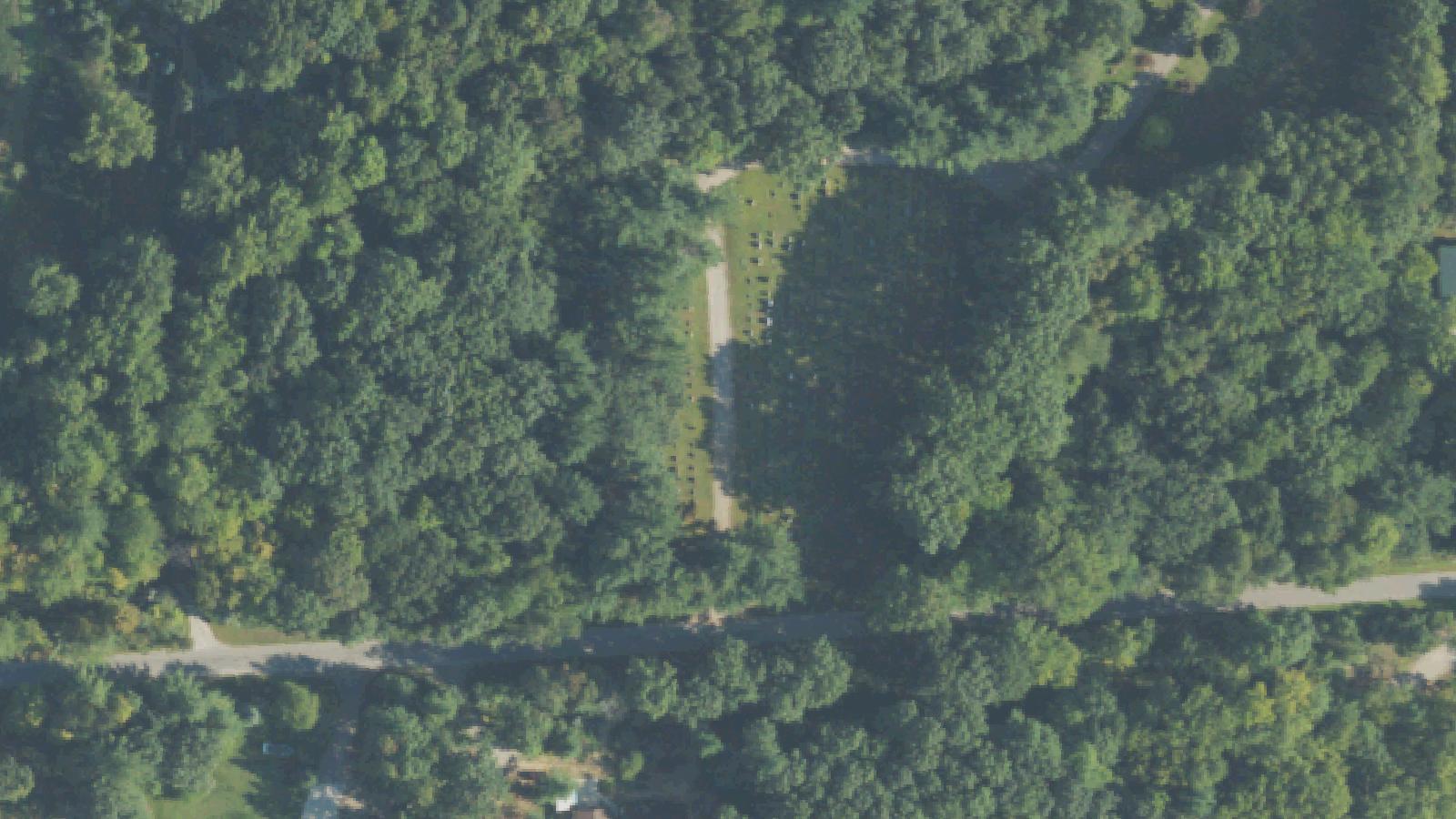
The rural isolation that characterized the cemetery at its founding persists. The surrounding agricultural land has changed, but the cemetery itself remains in a secluded section outside Crystal Lake's main development areas, accessible by road but removed from regular traffic.
Sources
- https://cl-hs.org/local-history/cemeteries/mtthabor/
- https://ghostresearch.org/Investigations/thabor.html
- https://discover.hubpages.com/travel/Haunted-Cemeteries-In-Illinois-Part-II
OrbsApparitionsShadow figuresPhantom voicesPhantom sounds
The orb photographs from Mount Thabor are among the more frequently cited in McHenry County paranormal documentation. Red, green, and white glowing balls appear in images taken at the isolated cemetery — enough consistent reports that paranormal investigators have made dedicated visits to document them. The Ghost Research Society conducted an investigation of the site.
The accounts extend beyond photography. Drivers on the road adjacent to the cemetery at night describe floating lights that appear to travel from the cemetery toward the road. Shadows move among the headstones in photographs and in direct observation, sometimes described as appearing within a green mist that settles over sections of the grounds.
Voices — both male and female — have been reported at the site, described variously as laughing, singing, or mumbling. The sound accounts are less consistent than the light reports but appear in multiple independent sources.
The 1965 vandalism and the cemetery's isolated maintenance status have historically drawn late-night visitors, which complicates separating genuine unexplained reports from the normal acoustic and atmospheric effects of an isolated rural site at night.