Est. 1850 · Catholic Cemetery · Kane County History
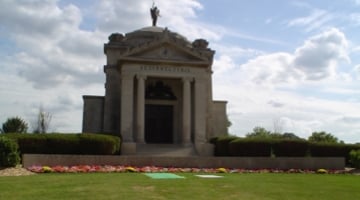
Mount Olivet Cemetery in Aurora dates to the 1850s, predating the Civil War by several years. The Catholic burial ground has grown to contain more than 11,000 interments and is now administered as a diocesan cemetery of the Diocese of Rockford, Illinois.
The cemetery's paranormal reputation is narrow in scope but internally consistent across multiple sources. Unlike many cemetery legends that involve a single named figure, the Mount Olivet accounts describe a category of apparition: figures in mid-20th-century dress. The 1958 Lincoln Continental — a specific model year in a specific color — drives up to the front gates, and two women in period clothing step out. They stand near the vehicle. Then they dissolve.
This type of report — a residual scene that replays rather than a single identified individual — is one of the more coherent categories in paranormal documentation. The specificity of the vehicle (model year, not just 'old car') suggests consistent description across independent witnesses.
Sources
- https://discover.hubpages.com/travel/Haunted-Cemeteries-In-Illinois
- https://www.rockfordcemeteries.org/locations/mount-olivet-aurora/
ApparitionsResidual haunting
The apparitions reported at Mount Olivet have an unusual consistency. Unlike most cemetery lore, which features a single named ghost tied to a specific tragedy, the accounts here describe a scene — a tableau that replays without apparent trigger.
A 1958 Lincoln Continental drives to the front gates. Two women in 1950s-era clothing get out. They stand near the vehicle with the posture and appearance of people who have arrived for a purpose. Then they melt and fade before anyone gets close enough to interact. The vehicle vanishes with them.
The same category of figure — people in mid-century clothing — is also reported throughout the rest of the cemetery, appearing without the vehicle context. They seem aware of no particular time other than their own.
The late 1950s in Aurora: the Lincoln Continental was introduced in 1956 and by 1958 had become a symbol of a specific American prosperity. Who these women were, who they were visiting, and why they persist at this particular Catholic cemetery in Kane County has not been established.