Est. 1929 · Rockford's tallest Art Deco building · Swedish-American community landmark · Hosted President Eisenhower, Senator Kennedy, and a visiting king of Sweden · Preserved through 2010 renovation
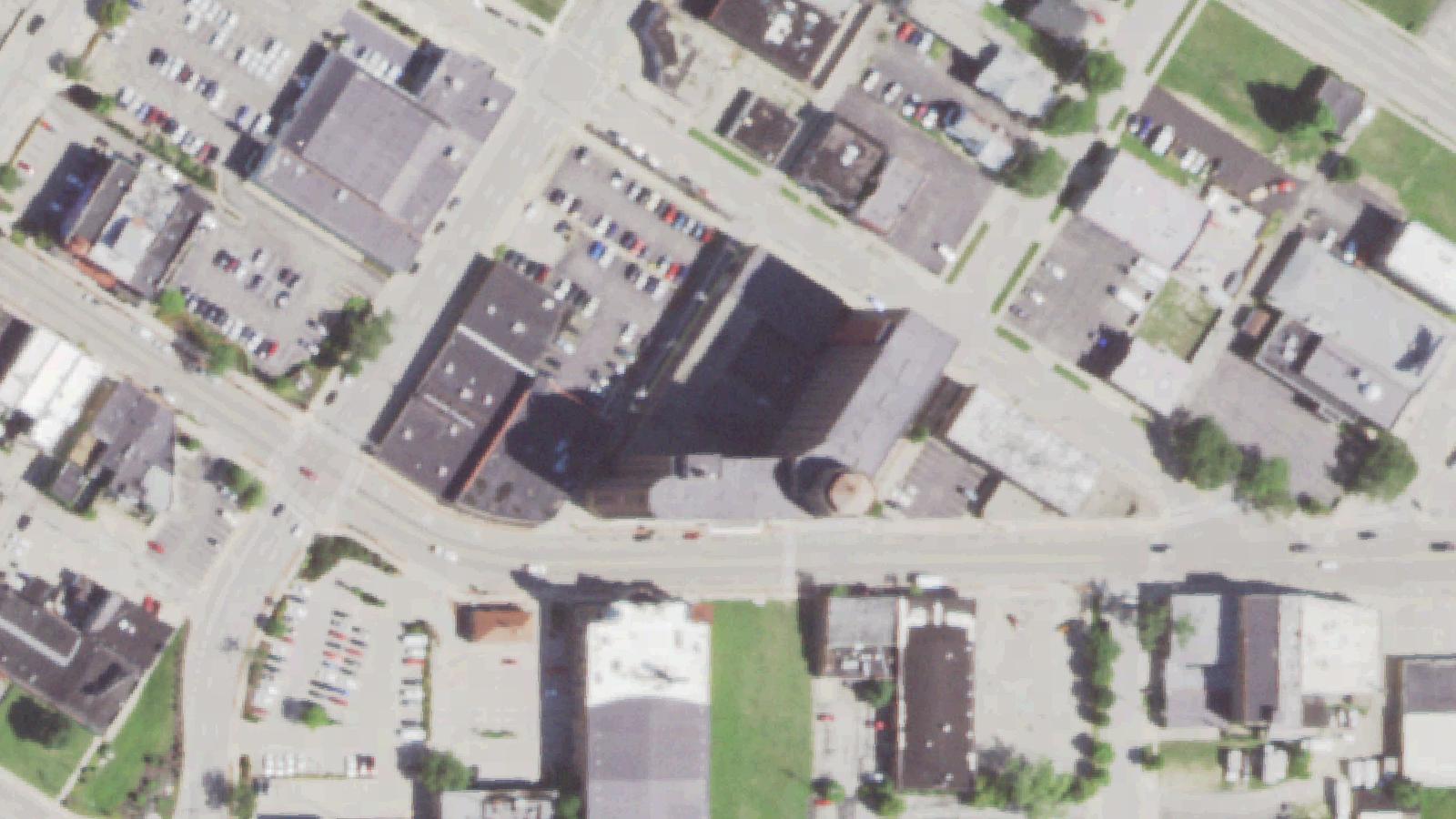
The Faust Hotel opened in 1929 at 618 East State Street in downtown Rockford, Illinois. At fifteen stories and roughly 186 feet, the Art Deco tower was the tallest building in Rockford at the time of its completion. It contained more than four hundred guest rooms and apartments, a grand ballroom, and ground-floor commercial space. The hotel was named for Levin Faust, a Swedish immigrant who arrived in the United States in the late nineteenth century and became a leading figure in Rockford's substantial Swedish-American community.
During the hotel's mid-twentieth-century heyday, the Faust was Rockford's principal lodging for visiting public figures, including President Dwight D. Eisenhower and 1960 Democratic presidential nominee John F. Kennedy, as well as a visiting king of Sweden. The building was later acquired by the Shriners fraternal organization and operated as Tebala Towers before being converted to its present use.
In 2010 the building underwent a roughly twelve-million-dollar renovation that modernized the interior and preserved the Art Deco exterior in accordance with Illinois Historical Society standards. The renovated property reopened as the Faust Landmark, a restricted-access residential community for residents aged fifty-five and older. The building remains one of the most recognizable historic structures in downtown Rockford.
Sources
- https://en.wikipedia.org/wiki/Faust_Landmark
- https://rockfordhistorywalks.org/?ait-item=the-faust-hotel
- https://www.flickr.com/photos/chiski/7952382840
Sense of being watched in the basementCold and damp airUnease in the former kitchen and ballroom
Long-running lore from the building's hotel-era staff includes accounts of a sustained presence felt in the basement-level bar and bowling alley, which had been out of operation since the 1980s before the 2010 renovation. Service and maintenance workers entering the space reported a strong sense of being watched, sometimes accompanied by a sudden drop in temperature and a damp, heavy quality to the air. Similar reports were attributed to the former kitchen and to the eleventh-floor ballroom space.
None of the accounts is documented in newspaper coverage of the building's hotel operations, and the building has not been the subject of a documented paranormal investigation. The conversion to residential use means that interior access is no longer possible for the general public, and the lore is preserved in oral tradition among former staff and in regional ghost-story compilations rather than in the building's current operational materials.
This venue is restricted-access senior residential housing and not open to the public — appreciate the Art Deco exterior from the public sidewalk on East State Street only. Respect resident privacy and do not enter the property.