Est. 1905 · Deadliest Mine Fire in U.S. History (1909) · 259 Workers Killed Including Children · Drove Illinois and Federal Mine Safety Reform · Immigrant Labor History — Italian, Polish, Lithuanian
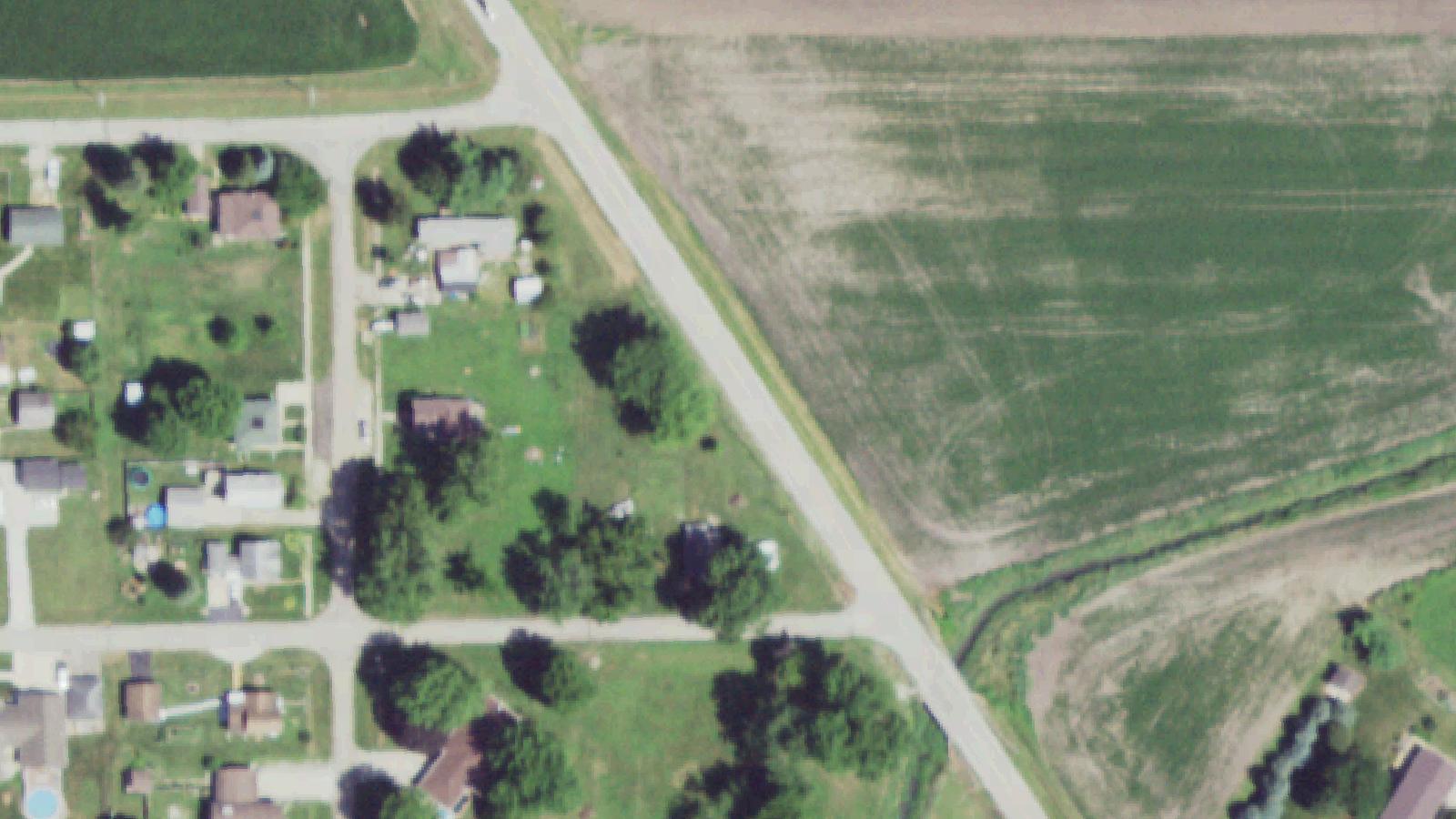
The village of Cherry sits in Bureau County, roughly twelve miles south of Spring Valley in north-central Illinois. In 1905 the St. Paul Coal Company opened a mine there, and by 1909 the operation employed hundreds of men and boys — many of them recent immigrants from Italy, Poland, and Lithuania, drawn to Bureau County's coal fields.
On November 13, 1909, a bundle of hay being lowered into the mine on a cage caught fire. Six bales of hay ignited, and the fire reached the wooden shaft timbers. A 45-minute delay in sounding the evacuation alarm — sources differ on whether the delay reflected confusion or miscommunication among mine managers — allowed the fire to establish itself in the ventilation system before workers could escape. Once fire entered the main air shaft, conditions in the mine deteriorated catastrophically.
Of the 481 men and boys in the mine that day, 259 died. The dead included miners, trapper boys as young as ten, and several rescuers who re-entered the mine after the initial evacuation and were trapped when the fire reignited. Some victims were recovered immediately; others were not reached for weeks as sealed sections were reopened after the fire burned out.
The disaster prompted national attention. It became a significant factor in the passage of Illinois mine safety legislation and contributed to the growing national movement for federal mine inspection. The United Mine Workers union organized relief funds and assisted the many immigrant families left without a primary wage earner.
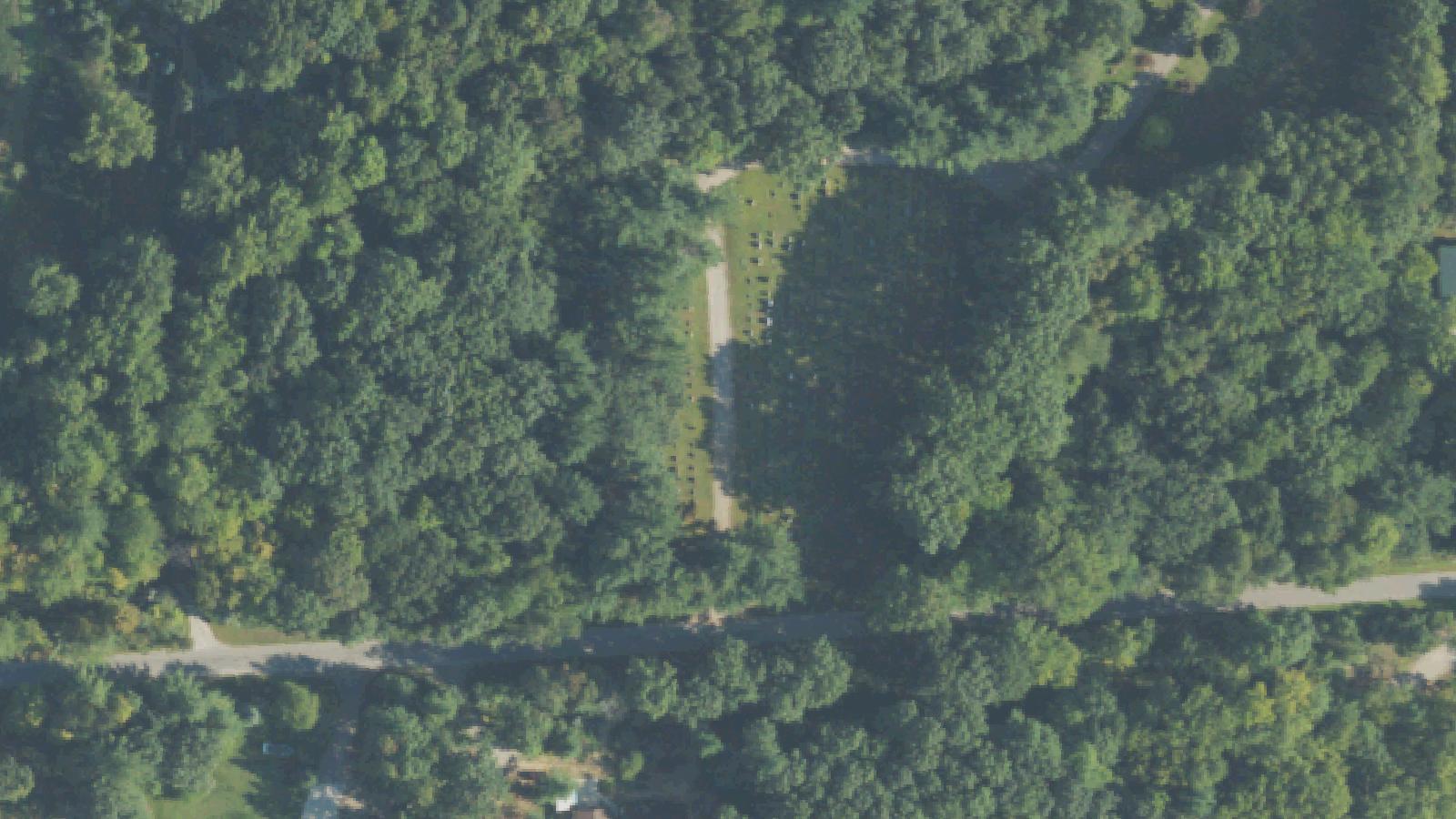
A parian marble monument depicting a mourning woman was erected at Cherry in memory of the dead. A miners' cemetery on the south edge of the village contains the graves of the victims, including a mass grave section for those whose remains could not be individually identified. American Hauntings Ink has documented the memorial and cemetery as a dark-history destination.
Sources
- https://en.wikipedia.org/wiki/1909_Cherry_Mine_disaster
- https://www.americanhauntingsink.com/cherry-disaster
- https://northernpublicradio.org/wnij-news/2022-11-18/perspective-the-cherry-mine-disaster
- https://www.roadsideamerica.com/tip/16279
The Cherry Mine Disaster Memorial occupies a specific niche in Illinois's dark-history geography. American Hauntings Ink documents it as a site defined primarily by the scale of the 1909 event rather than by a roster of paranormal phenomena. The cemetery, with its mass grave section for unidentified victims, is the kind of site where the historical record does the work that ghost lore does elsewhere.
Regional accounts reference a general atmospheric quality at the cemetery — a heaviness that visitors to mass-casualty sites often describe, amplified here by the knowledge that many of the dead were young boys working as trappers, opening and closing ventilation doors in the mine's darkness for twelve-hour shifts. The 45-minute alarm delay, documented in the congressional inquiry that followed the disaster, sits in the historical record as a detail that requires no embellishment.
Roadsideamerica.com's visitor tip for the site describes the mass grave and memorial as a destination for those interested in the history of American labor disasters. Specific ghost accounts — apparitions, EVP, anomalous photographs — are not prominent in the available record. The site functions primarily as a memorial and a documented dark-history landmark rather than as a haunted destination in the traditional sense.
Where this legend is told