Est. 1974 · Deadliest silver-mine disaster in American history · 91 men killed May 2, 1972 · Catalyst for the Federal Mine Safety and Health Act of 1977 · Two survivors rescued 7.5 days after the fire
The Sunshine Mine in the Silver Valley of northern Idaho was, by May 1972, one of the most productive silver mines in the world. It had operated continuously since the late 19th century and employed several hundred workers across its shafts and tunnels. On the morning of May 2, 1972, fire broke out at an undetermined location deep in the mine — investigators later identified the area near a bulkhead as the probable origin zone, but the specific ignition source was never conclusively established.
The fire itself caused limited direct casualties; the mine's killing agent was the carbon monoxide and hydrogen cyanide released by the burning synthetic materials used in the mine's modernized infrastructure. Miners who could not reach the surface in time were overcome underground. Of the 173 men who were in the mine at the time, 91 died — a loss that devastated the tight-knit Silver Valley community. Two men, Ron Flory and Tom Wilkinson, survived by sealing themselves in a drift with an emergency breathing apparatus and were rescued 7.5 days after the fire started.
The Sunshine Mine disaster prompted significant federal mine safety legislation, including the Federal Mine Safety and Health Act of 1977, and led directly to improved emergency communications and escape route requirements for underground mines. The Sunshine Mine eventually resumed operations after safety upgrades and continued producing silver until 2001.
The memorial, a 13-foot steel sculpture of a miner by sculptor Kenneth Lonn, was dedicated in Kellogg near the mine site. It stands before a field of 91 small tombstones, each representing one of the dead. An annual ceremony on May 2 marks the anniversary.
Sources
- https://www.msha.gov/sunshine-mine-disaster
- https://www.spokesman.com/stories/2022/may/01/50-years-ago-in-the-silver-valley-91-sunshine-mine/
- https://visitnorthidaho.com/activity/sunshine-miners-memorial/
- https://www.roadsideamerica.com/story/2947
Described atmospheric weight by visiting families and community members
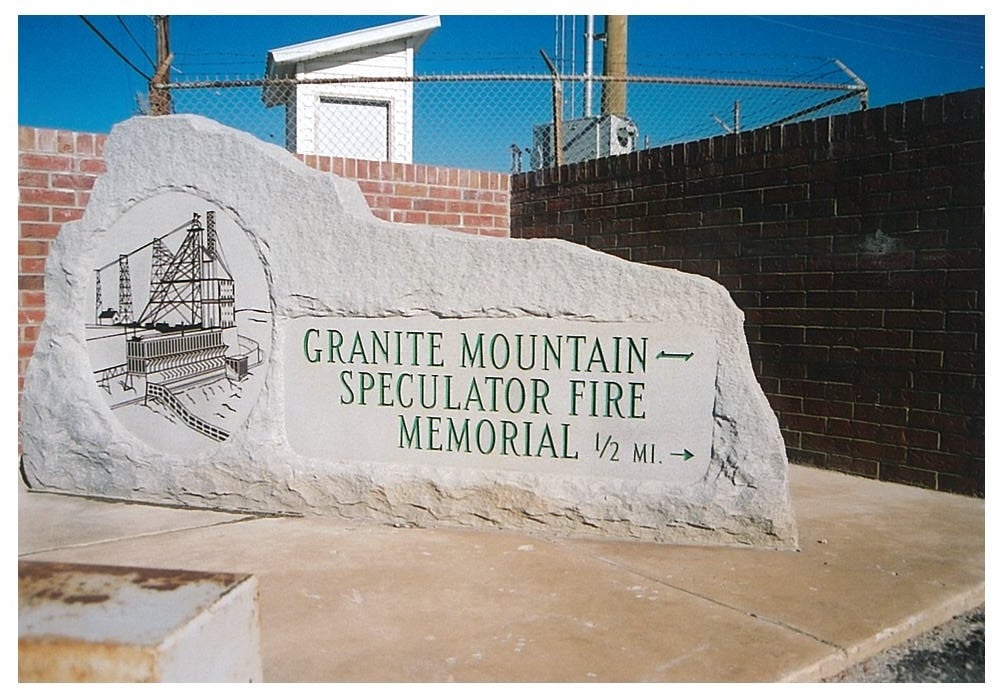
The Sunshine Miners Memorial does not carry an active paranormal tradition in the available documentary record. Unlike the Granite Mountain–Speculator Memorial in Butte or the underground mine attractions in Scranton and Kellogg's nearby Crystal Gold Mine, the Sunshine site's documented history is recent enough — 1972 — and its community ties active enough that the standard drift toward ghost-story framing has not developed around it.
What the site does carry is the weight of an event within living memory for many Silver Valley families. The annual May 2 ceremony is attended by survivors, widows, and the adult children of men who died in the mine. Former miners and their families describe the memorial as an active place of grief and remembrance rather than a historical attraction.
The Memorial qualifies as dark-tourism infrastructure by the standard applied to documented industrial-disaster sites: the 91 tombstones, the interpretive record of a real event, and the annual community ceremony make it a legitimate destination for visitors interested in American labor history and industrial safety. The paranormal dimension here is atmospheric — the acknowledged weight of what happened — rather than evidenced by specific witness accounts.
Where this legend is told