Self-Guided Visit
Self-Guided Historic Site Visit
Walk the grounds of the restored Rock Creek Store, the 1900 Stricker House, outbuildings, and the small pioneer cemetery on a self-guided visit during open hours.
- Duration:
- 1 hr
HauntBound archive · catalog record
Reported phenomena, as catalogued
An 1865 Oregon Trail stagecoach station and store near Hansen, Idaho, now an Idaho State Historical Society site where the spirit of pioneer nurse Lucy Stricker is said to guard the grounds.
3715 E 3200 N, Hansen, ID 83334
Research updated June 2026
Age
All Ages
Cost
Free
Site grounds are free to visit during open hours; donations support Friends of Stricker. Seasonal ghost tours may carry a fee benefiting site upkeep.
Access
Limited Access
Rural high-desert ranch with dirt paths, uneven ground around the store, house, and pioneer cemetery.
Equipment
Photos OK
Est. 1865 · Listed on the National Register of Historic Places (1979, ref. 79000810) · First trading post between Fort Hall and Fort Boise on the Oregon Trail · Major stagecoach station on Ben Holladay's Overland Stage Line · Owned and preserved by the Idaho State Historical Society
Rock Creek Station sits in the high desert south of Hansen in Twin Falls County, Idaho, at a crossroads where two major overland routes converged: the Oregon Trail and the Kelton Freight Road that linked Idaho to the transcontinental railroad in Utah. James Bascom built the Rock Creek Store in 1865, and for decades it served as the first trading post between Fort Hall to the east and Fort Boise to the west, supplying weary emigrants, freighters, and travelers on Ben Holladay's Overland Stage Line.
In 1876 Herman Stricker, a German emigrant, purchased the store. In 1882 he married Lucy Walgamott, and together the couple operated the store and saloon and rented rooms in their home to passing travelers. Lucy became known for nursing sick emigrants back to health and for burying those who did not survive the journey, contributing to the small pioneer cemetery that still stands on the property.
The Strickers' original log home burned in 1899. In 1900 they built a larger wood-frame Victorian-style house on the same foundation, just east of the store; this is the Stricker House visitors see today. The store itself closed in 1897 as railroads rerouted commerce away from the old wagon roads, but the family remained connected to the land.
The Rock Creek Station and Stricker Homesite was listed on the National Register of Historic Places on August 30, 1979 (reference number 79000810). It is owned by the Idaho State Historical Society and managed cooperatively with the volunteer group Friends of Stricker, Inc. Visitors can tour the restored store building, the 1900 Stricker House, a reconstructed summer house, outbuildings, an interpretive center, and the pioneer cemetery.
Sources
Because so many travelers died at or near Rock Creek Station during the Oregon Trail era and were buried in the small on-site cemetery, the homesite has long drawn paranormal interest. According to regional reporting and Idaho ghost-lore accounts, visitors describe ghostly figures running through the open field and cemetery after dark, and a cabin on the property whose doors are said to open by themselves with lights flickering inside when no one is present. Many who visit report an immediate sense of presence on the grounds (Visit Southern Idaho; KEZJ; Fringe Paranormal).
The most frequently named spirit is that of Lucy Walgamott Stricker. In life she nursed sick emigrants back to health and buried those who died on the trail, and local accounts hold that her spirit still watches over the homestead. Idaho ghost-lore sources report that the property owner has described Mrs. Stricker's spirit warning of trespassers on the grounds. Because Lucy's documented role as the homestead's caretaker and nurse matches the protective character of the legend, the attribution is consistent with the historical record (KEZJ; Magic Valley/Times-News, 'Who were the Strickers?').
The Idaho State Historical Society and Friends of Stricker have offered periodic ghost tours of the site, with proceeds going to its preservation. Site stewards have publicly balanced curiosity from ghost seekers against the need to protect the fragile historic structures.
Notable Entities
Walk the grounds of the restored Rock Creek Store, the 1900 Stricker House, outbuildings, and the small pioneer cemetery on a self-guided visit during open hours.
Periodic after-dark ghost tours of the Stricker Ranch are offered, with proceeds supporting Friends of Stricker preservation work.
Some links on this page may earn HauntBound a small commission when you book, at no extra cost to you. Our editorial picks are independent. Full disclosure
Every HauntBound history is researched from documented sources. We clearly separate verified historical fact from paranormal folklore.
Free Guide
Verified stops across all fifty states, rated for families. Free.
One email to confirm, then the guide link. Unsubscribe anytime.
Winston-Salem, NC
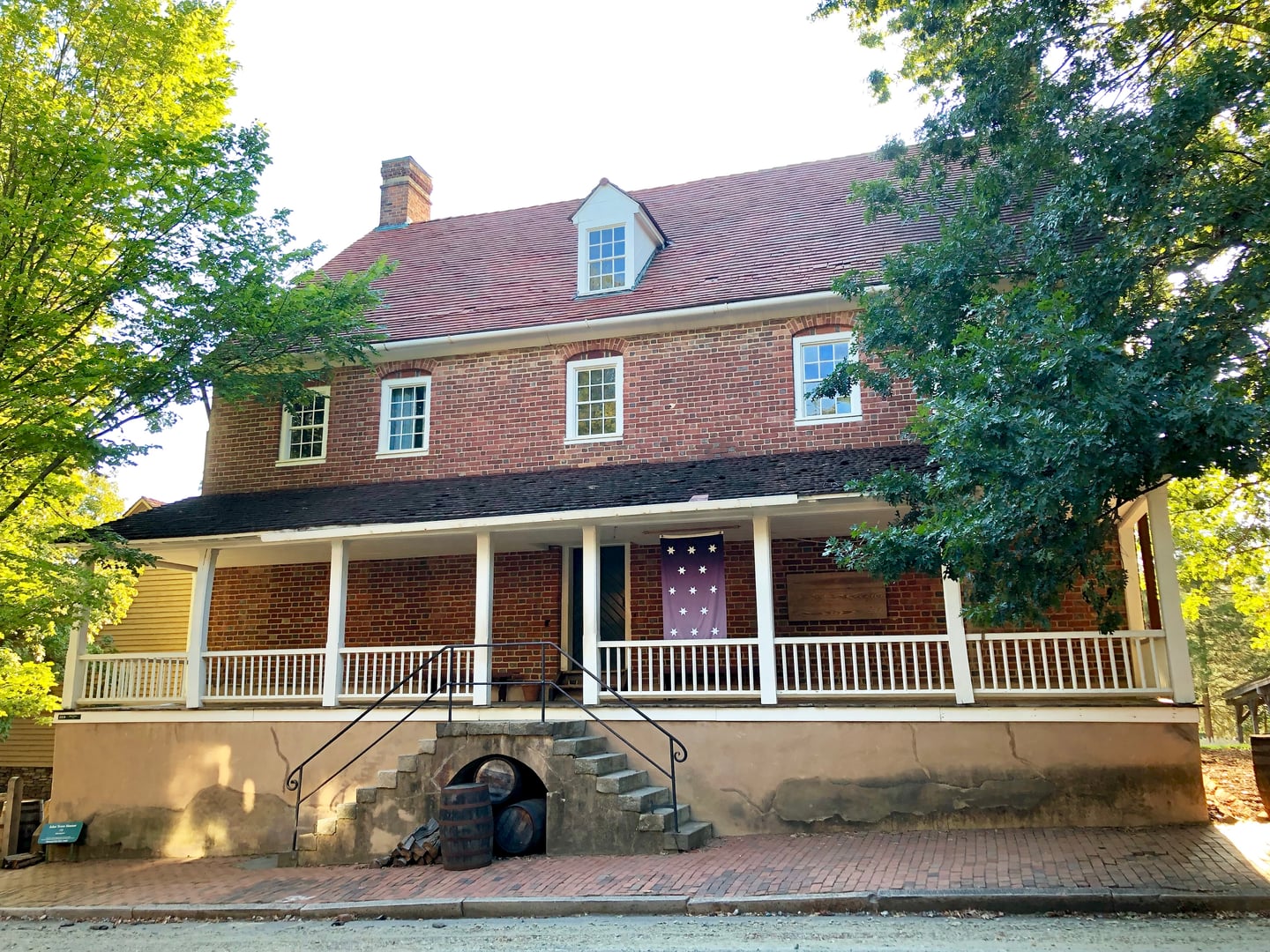
The Salem Tavern was built in 1784 to serve travelers stopping in the Moravian settlement at Salem, North Carolina. The Moravian congregation built and operated the tavern — a common enterprise in Moravian settlements — as a source of revenue and a place of hospitality for outsiders. President George Washington lodged here in May 1791 during his Southern Tour, an event documented in his own diary.
Denver, CO
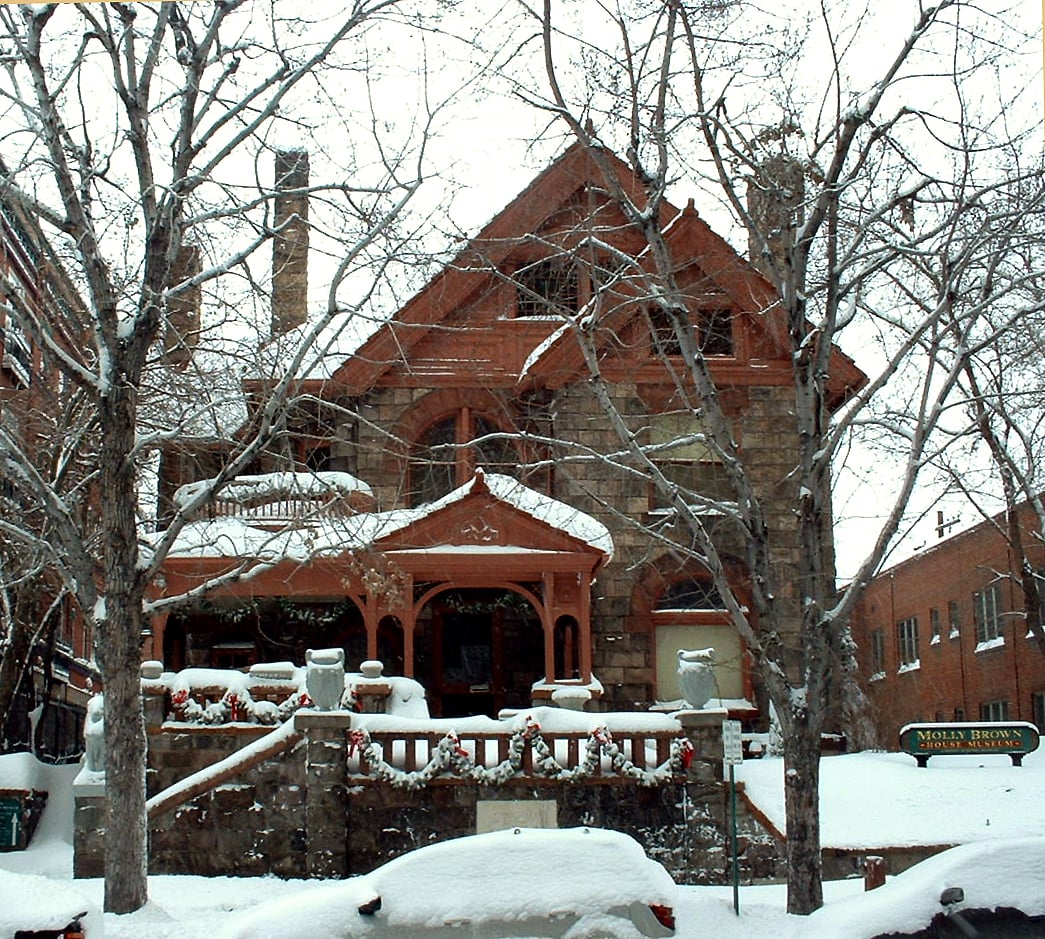
The Molly Brown House in Denver was the home of philanthropist and Titanic survivor Margaret Brown from 1894 until her death in 1932. Designed by architect William A. Lang in 1889 in a mixed Queen Anne and Richardsonian Romanesque style, the house has operated as a museum under Historic Denver Inc. since 1971 after a public campaign saved it from demolition.
Yuma, AZ
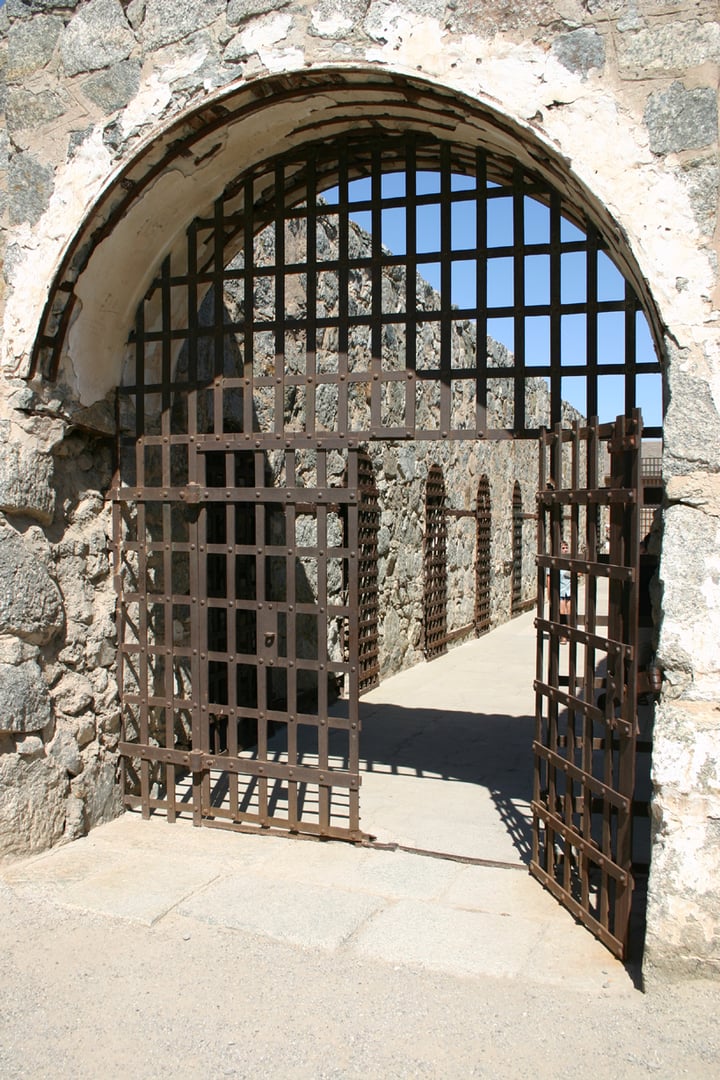
Yuma Territorial Prison operated from 1876 to 1909 on a bluff overlooking the Colorado River in Yuma, Arizona. It held 3,069 prisoners during its 33-year operation, including 29 women. The facility became a state historic park and has been voted by USA Today readers as the Best Haunted Destination in the nation.