Est. 1879 · Gold Mining Ghost Town · National Register of Historic Places · Land of the Yankee Fork Historic Area · U.S. Forest Service Heritage Site
Custer was founded in early 1879 by gold speculators working the Yankee Fork of the Salmon River in what is now the Salmon-Challis National Forest. The town grew rapidly on the economic strength of the Lucky Boy and General Custer mines, reaching a peak population of approximately 600 in 1896. Custer's neighboring town of Bonanza had been the original commercial center of the Yankee Fork mining district, but fires in 1889 and 1897 destroyed most of Bonanza's business district. Merchants relocated to Custer, which displaced Bonanza as the district's commercial hub.
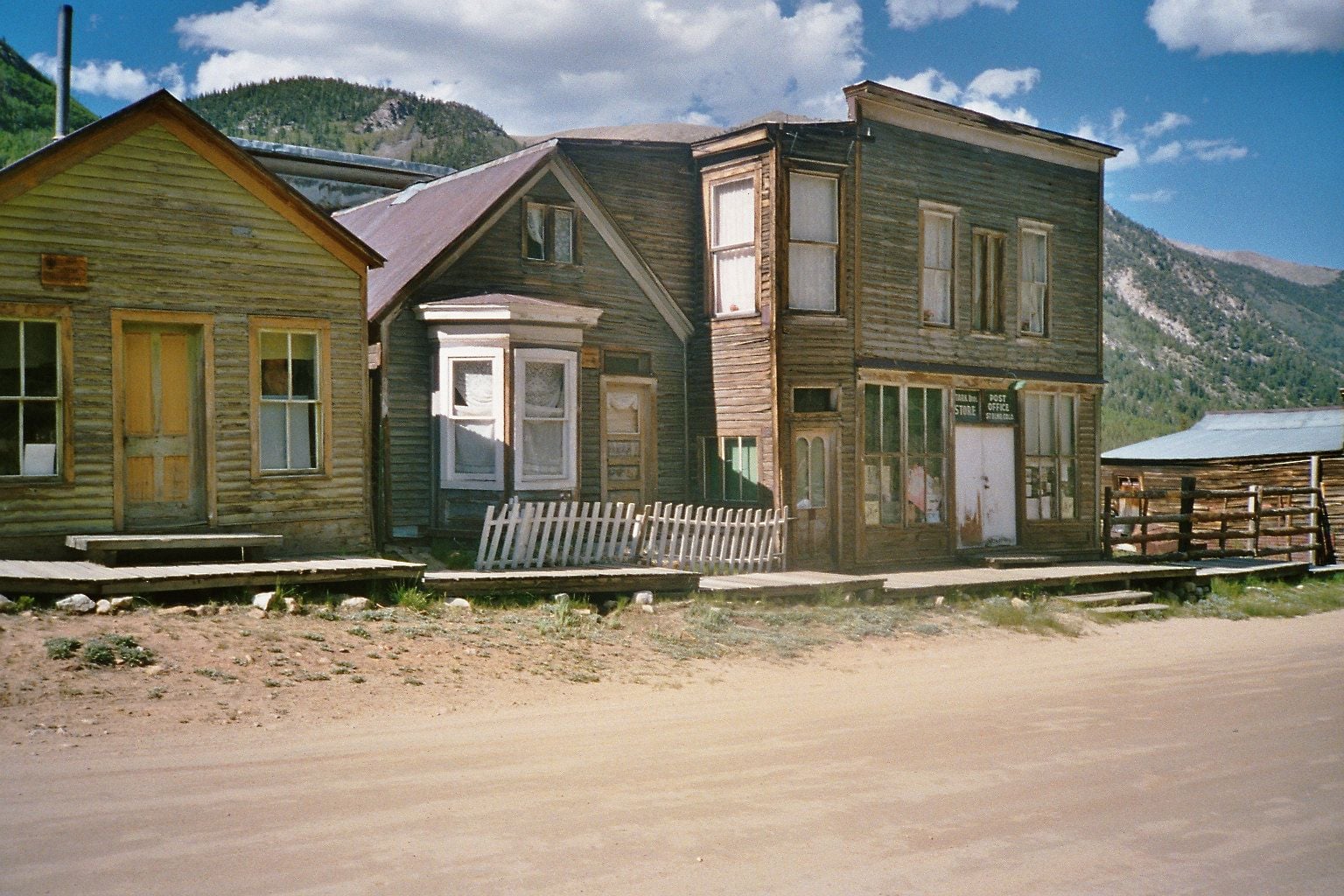
At its height, Custer supported a school, a jail, a Miner's Union Hall, a post office, and even a town baseball team. The mines began to play out one by one starting around 1903; by 1910 the population had collapsed and the town was effectively a ghost. Some operations continued intermittently into the mid-twentieth century, including the operation of the massive Yankee Fork Dredge from 1940 to 1952.
The Challis National Forest took ownership of the Custer townsite in 1966. In 1981 the town was added to the National Register of Historic Places. The Idaho Department of Parks and Recreation joined the U.S. Forest Service in managing the site in 1990, leading to the establishment of the Land of the Yankee Fork Historic Area. Free guided and self-guided walking tours are available Memorial Day through Labor Day. The original schoolhouse functions as a museum with gifts and refreshments available at the Empire Saloon during the summer season.
Sources
- https://www.fs.usda.gov/r04/salmon-challis/recreation/discover-history/custer-ghost-town
- https://visitidaho.org/things-to-do/ghost-towns-mining-history/custer-historic-mining-town/
- https://www.wanderingidahoan.com/adventures/custer-city-ghost-town
- https://yankeeforkdredge.com/local-attractions/
ApparitionsPhantom voices
Custer's lore is primarily historical rather than paranormal. The Yankee Fork mining district carries a thin folklore of unexplained mine sounds, distant voices in canyons, and the occasional figure glimpsed near the dredge — common patterns in Mountain West mining-town tradition. Specific Custer accounts are largely confined to seasonal visitor reports of a felt presence in the school-museum, the impression of a quiet conversation continuing in the Empire Saloon after closing, and a sense that the town did not fully empty when its residents left.
The site's interpretive focus is on the mining history rather than on ghost-town theatrics. The U.S. Forest Service and Idaho Department of Parks and Recreation present Custer as a heritage destination tied to the gold-rush economy and to the broader Land of the Yankee Fork story.