Bonneville County Burial Ground
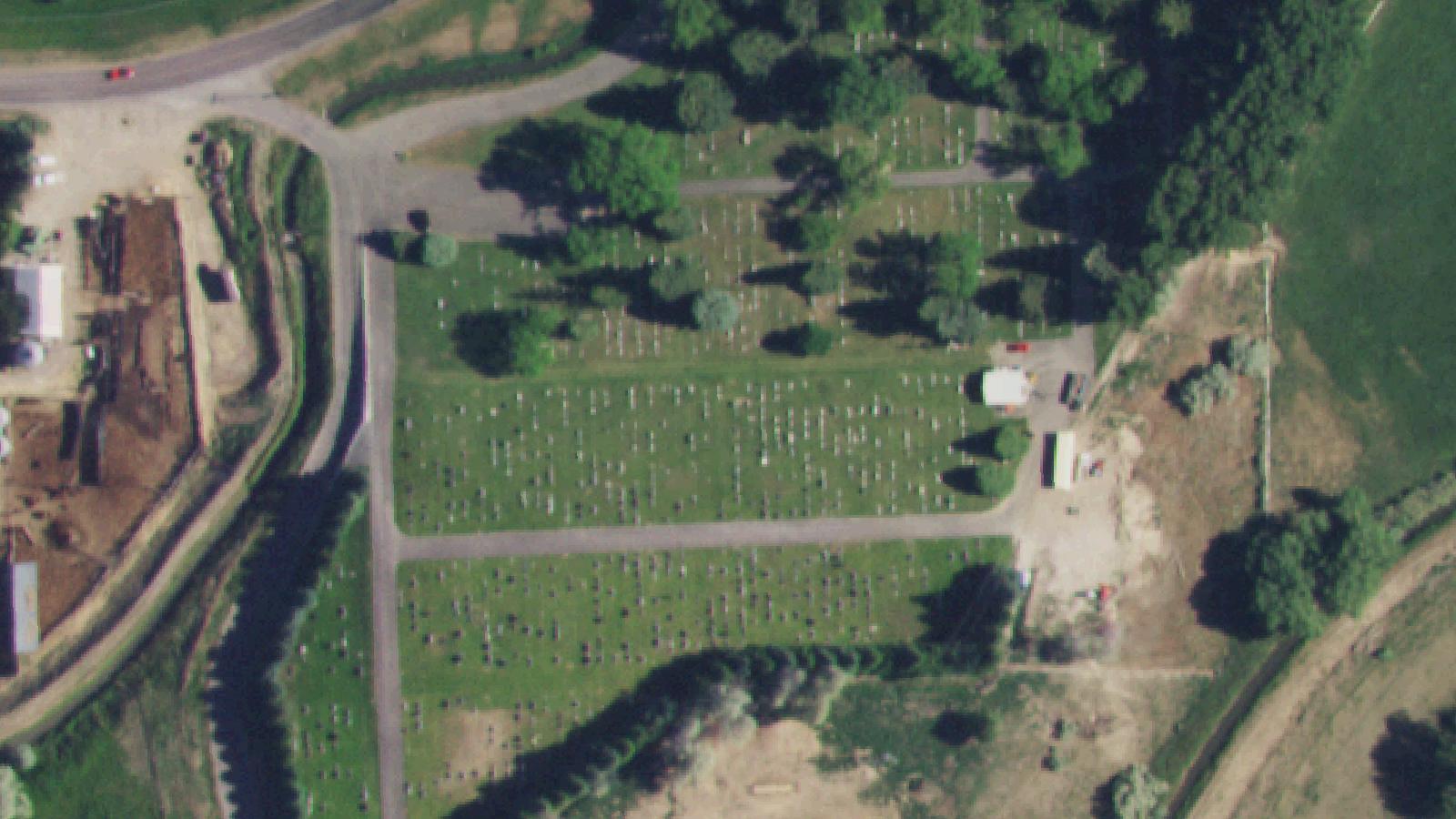
Ammon is a small community on the eastern edge of the Idaho Falls metropolitan area in Bonneville County, Idaho. The Ammon Cemetery sits within the township and serves as the local burial ground for area families. No newspaper archive, Idaho State Historical Society record, or county document accessed during research substantiates the specific child-drowning narrative most often attached to the cemetery's folklore. The legend is best read as community folklore rather than documented history.
Additional documentation of the cemetery comes from Find a Grave (3,711 catalogued memorials, 92 percent photographed, 72 percent with GPS coordinates), BillionGraves, and the USGenWeb Archives for Bonneville County. These collections establish Ammon Cemetery as an active and well-documented community burial ground at 5226 East Sunnyside Road, approximately seven miles east of US Highway 20 in eastern Bonneville County.
Sources
- https://www.idahohauntedhouses.com/real-haunt/ammon-cemetery.html
- https://idahohauntings.com/_ammon_cemetery.html
- https://www.findagrave.com/cemetery/80399/ammon-cemetery
- https://billiongraves.com/cemetery/Ammon-Cemetery/18658
- http://files.usgwarchives.net/id/bonneville/cemeteries/Ammon2.txt
Apparitions
Local tradition holds that the figure of a child is sometimes visible from the road at the Ammon Cemetery, waving from one of the trees along the cemetery boundary. The folk-narrative attaches the figure to a girl who was an enthusiastic tree-climber and is said to have drowned at a young age. The legend is consistent with the wider Plains-and-Mountain-West genre of friendly-child-at-the-fence ghost stories.
Local reports describe the figure as visible only from a moving vehicle and only at certain angles, with the figure disappearing when the visitor stops and approaches on foot. Some recent retellings describe the figure as a boy rather than a girl.
One regional paranormal investigation group has reported being unable to identify a tree within the cemetery whose branches are low enough to support the climbing-tree element of the legend, even allowing for fifty or more years of growth since the story first entered local circulation. The legend persists in local retelling without independent documentary support; the cemetery itself remains an active, peaceful burial ground that should be visited only during daylight and with the respect any working cemetery deserves.