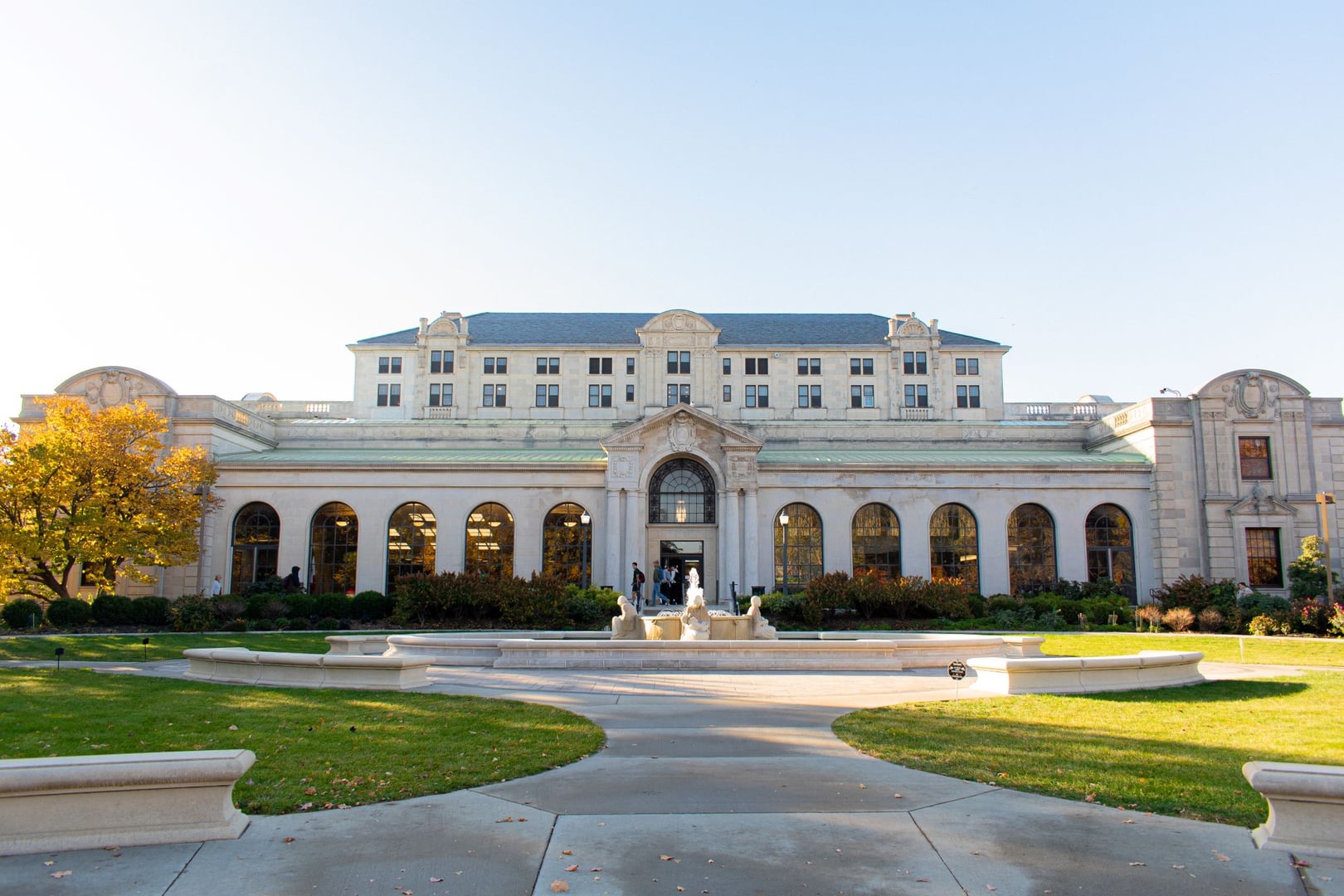
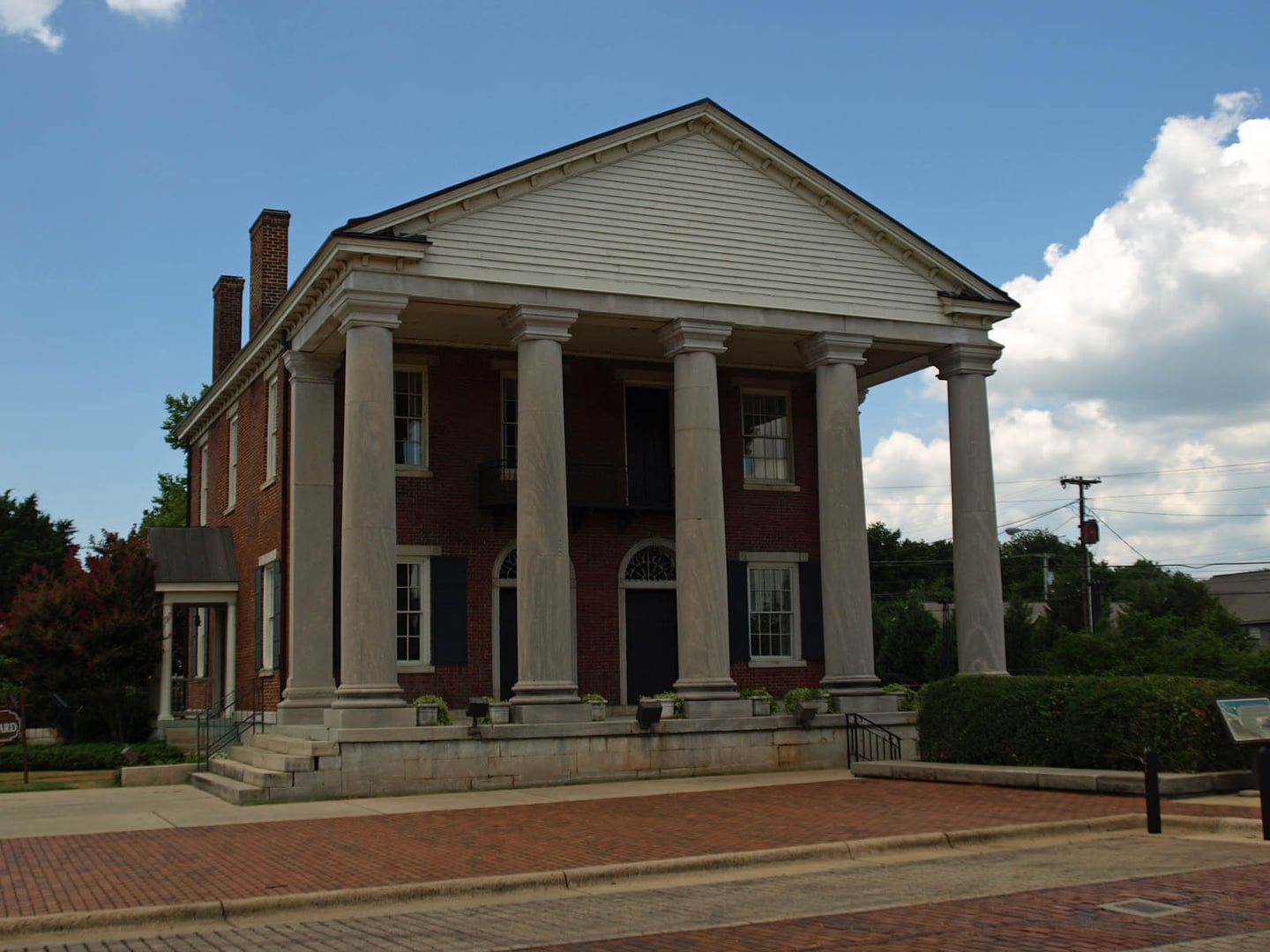
Est. 1842 · Iowa Territorial Capitol (1842–1846) · Iowa State Capitol (1846–1857) · Greek Revival Architecture · National Register of Historic Places
Construction of the Old Capitol began in 1842 on the site selected for Iowa City, the territorial capital. Architect John Francis Rague designed the Greek Revival structure with a signature golden dome, which became the most recognizable landmark on what would later become the University of Iowa campus. The building served as Iowa's territorial capitol from 1842 to 1846, when Iowa gained statehood, and continued as the state capitol until 1857, when the seat of government relocated to Des Moines.
The University of Iowa purchased the structure and used it for administrative purposes until the late twentieth century. A restoration project in the 1970s aimed to return the building to its 1842 appearance and uncovered significant structural work, particularly in the dome. During that renovation, a contractor died — the specific circumstances remain unverified in public records — and local lore holds that his presence has been felt in the building since. Journalists who investigated the claim found no matching death record, and the story may be apocryphal, though it has circulated in Iowa City for decades.
The museum opened after the restoration was complete. It now houses period furnishings, government artifacts, and rotating exhibits on Iowa history. Admission is free and the building is maintained by the University of Iowa.
Sources
- https://en.wikipedia.org/wiki/Iowa_Old_Capitol_Building
- https://oldcapitol.uiowa.edu/
Artifacts moving without contactLights activating in secured roomsUnexplained sounds from closed areasFootsteps in empty corridors
Paranormal researcher Matthew O'Brien and his team conducted an investigation of the Old Capitol after hours, documenting what they described as artifacts shifting position without physical contact and lights turning on in rooms that had been secured. The accounts were specific enough to circulate in regional paranormal publications, though independent verification of the video or audio evidence has not been published.
Building staff and students working late hours have reported hearing unexplained sounds from portions of the building that are closed and empty — footsteps, creaking, and low voices without identifiable source. These accounts have appeared in the Iowa State Daily and other campus publications over several decades.
The contractor legend — that a worker died during the 1970s restoration, particularly in work related to the dome — is the most frequently cited explanation. Journalists who searched local death records found no corroborating documentation. Whether the legend grew from a real but unrecorded incident or developed independently is unknown. The dome's history of structural complexity during restoration is well-documented; the death itself is not.
Notable Entities
Unidentified contractor (alleged 1970s dome renovation)