Est. 1857 · National Register of Historic Places · Rural Cemetery Movement · Iowa Funerary Architecture
Ottumwa Cemetery was established in 1857, created when the town's original cemetery, located near the downtown, could no longer accommodate the growing community. The new site at the north end of Court Street was designed in the tradition of the rural cemetery movement that had begun in the 1830s — a departure from the urban churchyard toward designed landscape settings with meandering paths, decorative plantings, and monuments that reflected individual family wealth and grief.
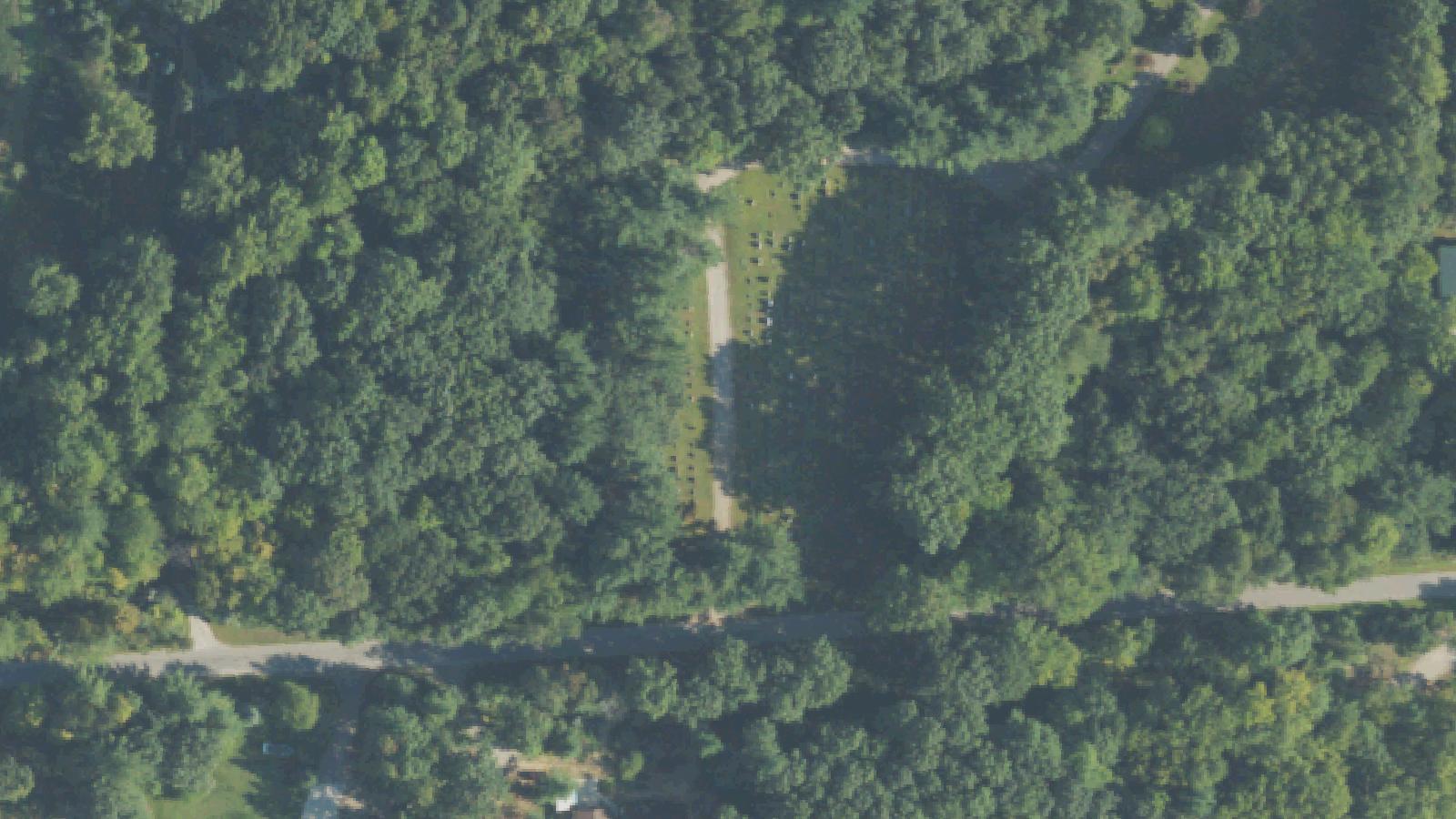
The cemetery is bounded by North Court Street on the west, Vanness Avenue on the north, Jefferson Street on the east, and Park Avenue on the south. It was listed on the National Register of Historic Places on August 11, 1995, reflecting the architectural and historical significance of its monuments and entrance structures.
The 1887 receiving vault is the cemetery's most notable architectural feature: a High Victorian Gothic structure of deep red brick with decorative terra cotta panels. The practical function of the vault was to hold bodies during Iowa's extended winters, when the ground freezes too deeply for excavation. Burials were temporarily housed there until spring thaw made interment possible — a common practice in northern states before the advent of modern grave-digging equipment.
The city of Ottumwa operates and maintains the cemetery and offers a guided walking tour of notable graves.
Sources
- https://en.wikipedia.org/wiki/Ottumwa_Cemetery
- https://www.meetottumwa.org/explore/ottumwa_cemetery_walking_tour/
Shadow figuresPhantom voicesApparitions
Ottumwa Cemetery's paranormal reputation centers on nighttime visual encounters. Shadow figures are reported sitting on tombstones — a posture that implies presence rather than movement — and running between trees when a visitor approaches or calls out. The running quality is notable: these are not static residuals but apparently responsive presences.
Whispered voices heard close to the ear is a common category of cemetery paranormal report, though the specificity of proximity — at the ear rather than at a distance — gives these accounts an intimacy that distinguishes them from general atmospheric sound claims.
The white cat that circles a visitor's feet and then simply stops existing is the most unusual account associated with this cemetery. Phantom animal reports are rarer in paranormal documentation than human apparitions; the specific behavior described — circling, then vanishing rather than running off — gives this account a folkloric consistency suggesting it has been told and retold from a relatively stable source.
The receiving vault, with its High Victorian Gothic aesthetic and its historical function of housing the temporarily dead, is a physically imposing structure that contributes to the atmosphere of the cemetery at night.
Notable Entities
White cat figure