Est. 1927 · Iowa Methodist Education History · Sioux City Architecture
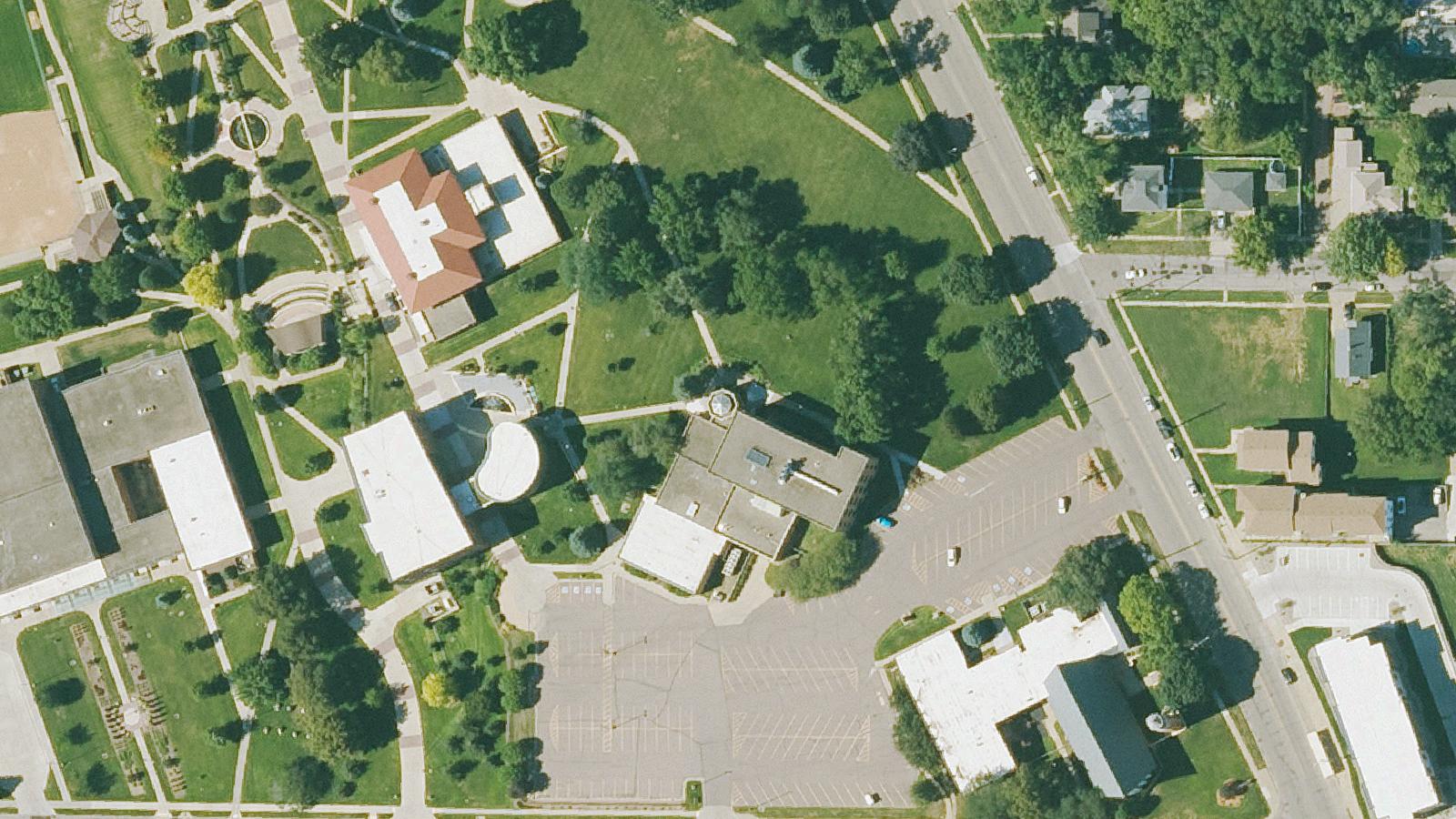
Morningside University was established in 1894 in Sioux City, Iowa, under the auspices of the Methodist Episcopal Church. The campus developed across the late nineteenth and early twentieth centuries along Morningside Avenue in the southern part of the city.
The Lillian E. Dimmitt Residence Hall was constructed in 1927 and named for Lillian Dimmitt, who served the university as Dean of Women for 26 years. The building is the third-oldest structure on campus. A renovation in 2015 updated the building's systems while preserving its character.
The hall includes a section referred to informally as the 'hidden hall' — a portion of the building without direct exterior egress, requiring occupants to move up or down a level to exit. This architectural feature is real and is the structural foundation around which the resident legend developed.
Sources
- https://en.wikipedia.org/wiki/Morningside_University
- https://www.morningside.edu/student-life-and-arts/life-at-mside/residence-life/housing/dimmit-hall
- http://historyculturebybicycle.blogspot.com/2008/11/sioux-city-history-and-culture-by_11.html
ApparitionsPhantom voicesPhantom sounds
The structural reality of Dimmitt Hall's 'hidden hall' is central to the legend's character. The section has no direct exit to the outside — you have to go up a level or down a level to leave. This creates the architectural logic of the story: a young woman who chose to die there was, in a sense, already confined by the building's design.
The method in the account — hanging from old heating pipes in the room — is consistent with the building's age. Pre-1950s dormitory construction typically used exposed cast-iron heating infrastructure. Whether this detail reflects actual knowledge of a historical event or is a plausible embellishment is not determined by available sources.
Residents of the hall have described two categories of phenomenon. The first is auditory: a girl's voice heard late at night while studying, followed by what is described as gagging or choking sounds. When residents opened their doors and called out, assuming a hallmate was responsible, no one was visible in the hallway and the sounds continued.
The second is visual: a figure described as a young woman in moderately dated dress, moving slowly and crying, who walks down the hall and passes through the door of the room in question. This apparition has been described consistently enough that it appears in multiple independent accounts from former residents.
No university incident report, local newspaper account, or historical record documenting the alleged death was located. The legend is transmitted student-to-student and persists through multiple generations of residents.
Notable Entities
The crying girl of Dimmitt Hall