Est. 1902 · Kirkbride Plan Asylum · Iowa State Psychiatric History · National Register of Historic Places
Cherokee Mental Health Institute opened to patients on August 15, 1902, under Superintendent Dr. N. Nelson Voldeng. The first transfers arrived by special trains and were met at the depot with teams and hayracks: 306 patients from Independence on August 26, followed two days later by 252 from Clarinda.
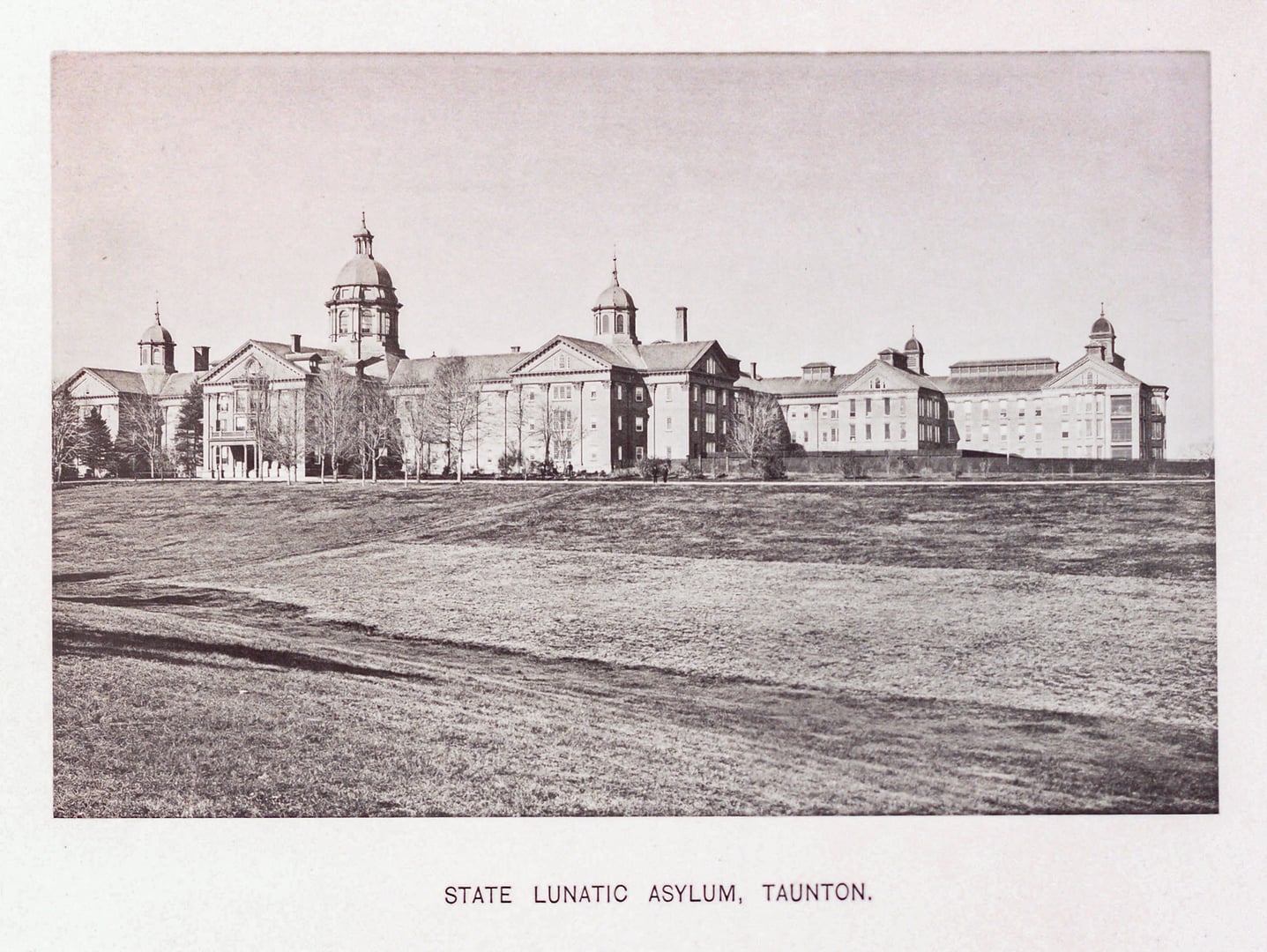
The building follows the Kirkbride Plan formulated by Philadelphia physician Thomas Story Kirkbride in 1854. Kirkbride designed institutional asylums as long, staggered wings stepping back from a central administrative block, intended to admit sunlight and ventilation to every ward and to segregate patients by sex, condition, and acuity. Cherokee's plan as completed contained 30,000 square feet of tile, 23 dining rooms, and accommodation for 700 patients.
The Iowa legislature debated the facility's location through 14 ballots before selecting Cherokee in northwest Iowa, intended to relieve overcrowding at the existing hospitals in Mount Pleasant, Clarinda, and Independence. Iowa's state psychiatric system was renamed during the twentieth century as treatment philosophies shifted from custodial asylum care to community-based mental health. Cherokee's Kirkbride remains in use today as part of the renamed Cherokee Mental Health Institute, one of the few original Kirkbride buildings nationally still serving its original function. The basement holds a museum of period medical equipment and institutional artifacts, accessible by appointment.
Sources
- https://en.wikipedia.org/wiki/Cherokee_Mental_Health_Institute
- https://www.kirkbridebuildings.com/buildings/cherokee/
- https://www.wgpfoundation.org/historic-markers/cherokee-mental-health-institute/
- https://iagenweb.org/cherokee/history/Mental_Health_Institute/MHI_Index.html
Phantom footstepsLights flickering
Because Cherokee Mental Health Institute remains an active state psychiatric facility, paranormal claims are largely confined to historical lore and former-employee anecdotes rather than promoted tours. Regional folklore references unexplained footsteps along the long Kirkbride corridors at night, lights cycling on disused wards, and a sense of presence in the basement rooms now housing the institute's museum.
Kirkbride-building enthusiasts and regional historical writers note that any massive nineteenth-century institutional building accumulates such accounts over time; the lore here is restrained compared to demolished or fully abandoned Kirkbrides elsewhere. The hospital cemetery on the grounds, where unclaimed patients were buried during the era when discharge to family was uncommon, is sometimes cited in regional ghost compendia, though specific accounts are sparse.
Visitors interested in the building's history are directed to the basement museum by appointment, which interprets the institute's medical past, rather than to any paranormal programming.