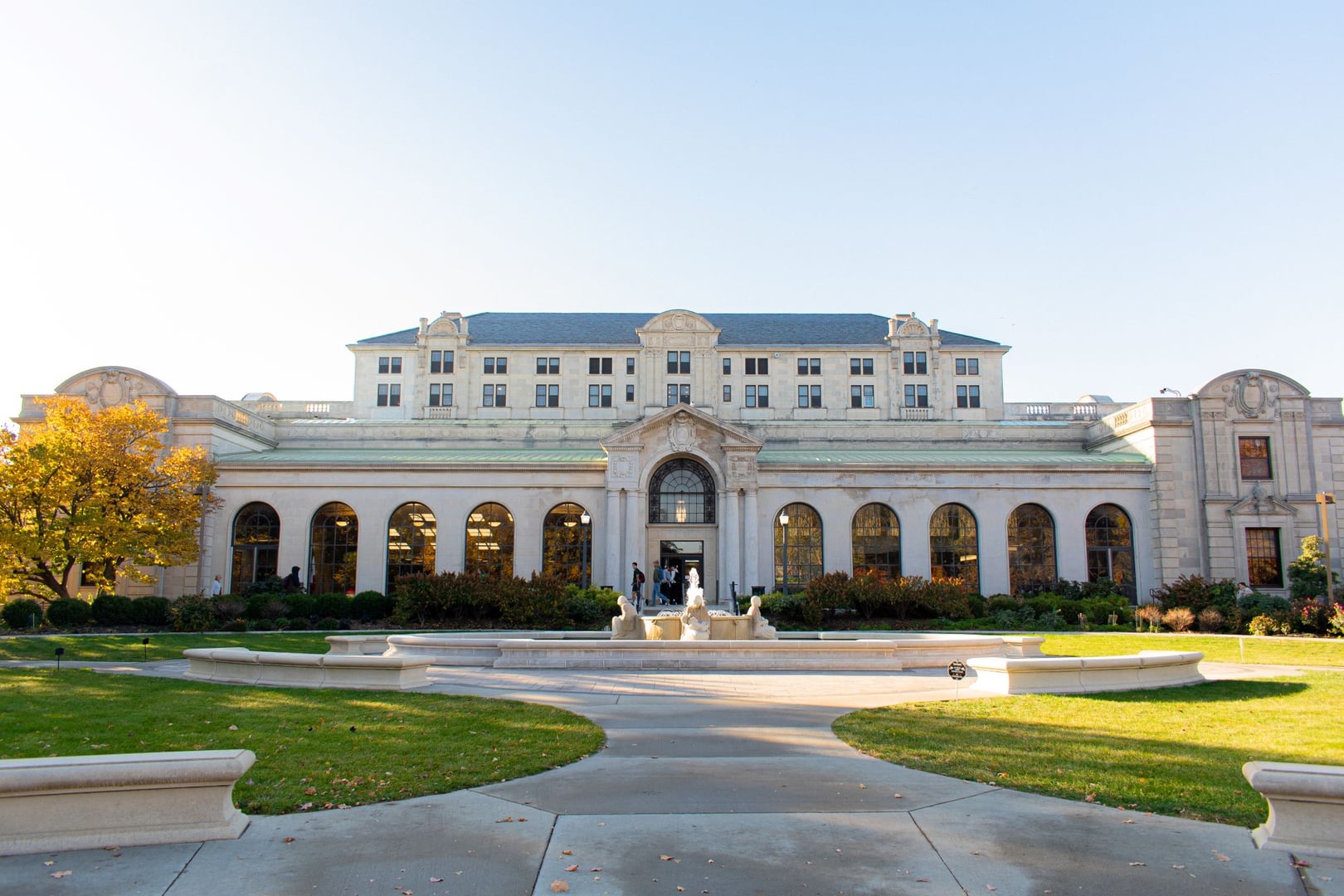
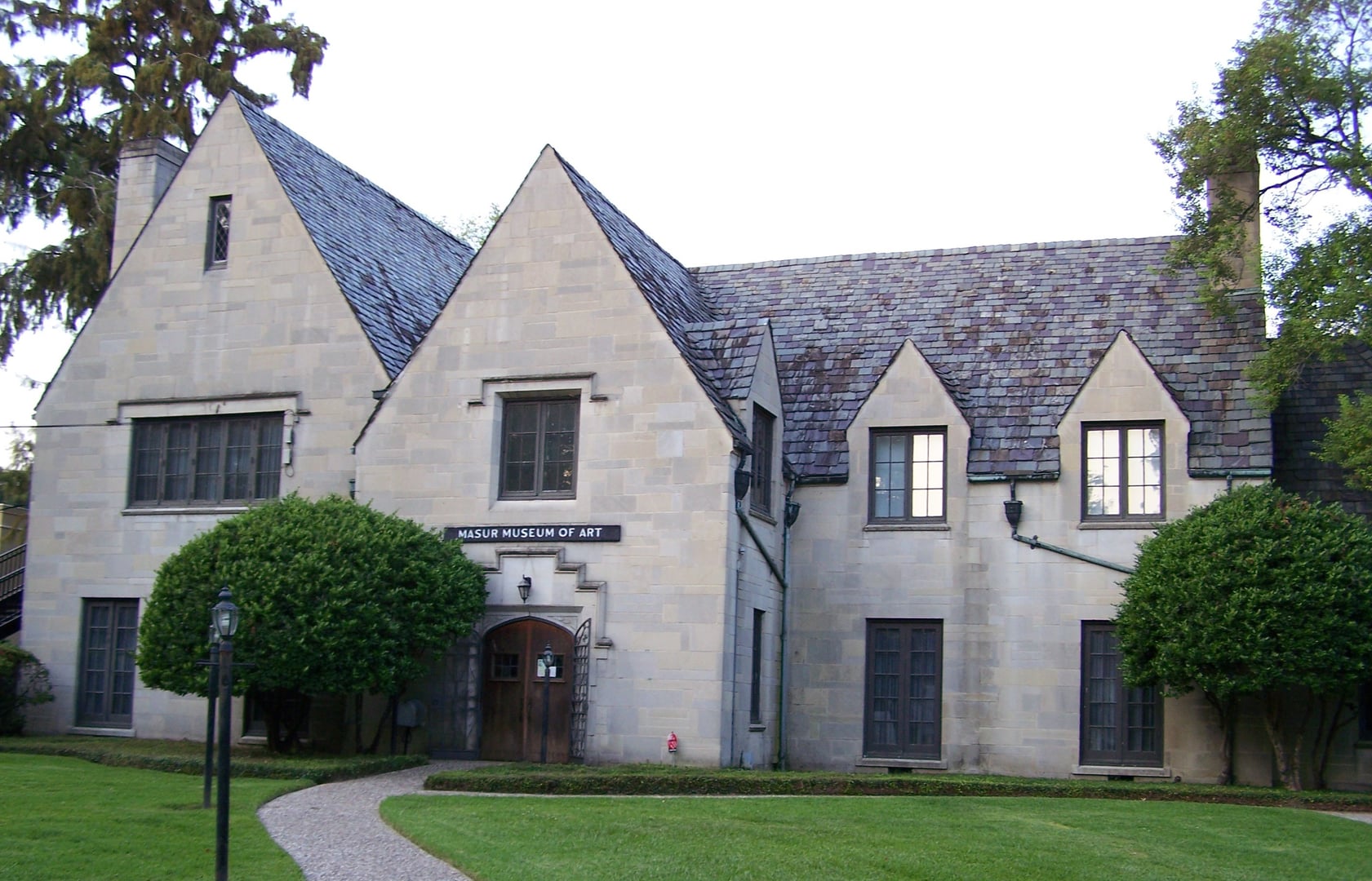
Est. 1907 · National Register of Historic Places · Designed by Proudfoot and Bird · Former Masonic Lodge No. 42 (active 1907–1990) · Boone County Historical Society collection
The building at 602 Story Street in Boone was constructed in 1907 as the Champlin Memorial Masonic Temple, commissioned by Masonic Lodge No. 42. The architecture firm Proudfoot and Bird — a prominent Iowa partnership responsible for numerous civic and institutional buildings across the state — designed the structure in a classical style suited to Masonic ceremonial use.
The building takes its name from a Champlin family memorial dedication, though the specific memorial context is tied to the lodge's internal history. It served the Masonic fraternity as a meeting and ceremonial venue for over eighty years. The building's institutional character — formal rooms, a functioning elevator, ceremonial spaces — distinguished it from typical small-town commercial construction of the same period.
In 1990 the lodge vacated the building and the Boone County Historical Society assumed occupancy. The society converted the former lodge into a county history museum, housing artifacts, records, and exhibits related to Boone County's development. The building was listed on the National Register of Historic Places, recognizing its architectural and civic significance.
The original elevator, a feature uncommon in buildings of this scale and era, remained operational or partially operational after the transition — and figures prominently in the building's subsequent paranormal reputation.
Sources
- https://en.wikipedia.org/wiki/Boone_County_Historical_Center
- https://www.traveliowa.com/places/boone-history-center/296/
Door slammingElevator operating when emptyLights activating after closingDisembodied voices calling employees by name
The building's ghost carries a name — Frank — though no historical record ties the name to a specific deceased individual associated with the lodge or the property. The attribution appears to have emerged informally among historical society staff, who applied the name to a pattern of events that proved difficult to dismiss.
The most specific accounts involve the building's original elevator: employees have reported finding it between floors at the start of their shifts, with no explanation for how it moved overnight. On at least one documented occasion, the elevator was heard operating while the building was otherwise unoccupied — a noise distinct enough to prompt investigation.
Door-slamming is the most frequently described phenomenon — occurring in parts of the building with no open windows or ventilation pathways that would account for the force. The electrical incidents follow a consistent pattern: lights confirmed off at closing are found on the following morning.
The most unnerving category of reports involves staff hearing their own names called, in recognizable human voice, from rooms they can verify are empty. These incidents have come from multiple employees independently, spread across different times of day and different areas of the building.
Notable Entities
Frank (informal name for building poltergeist)