Est. 1881 · Pioneer-Era Infrastructure · Victorian Cemetery Design · Community Heritage
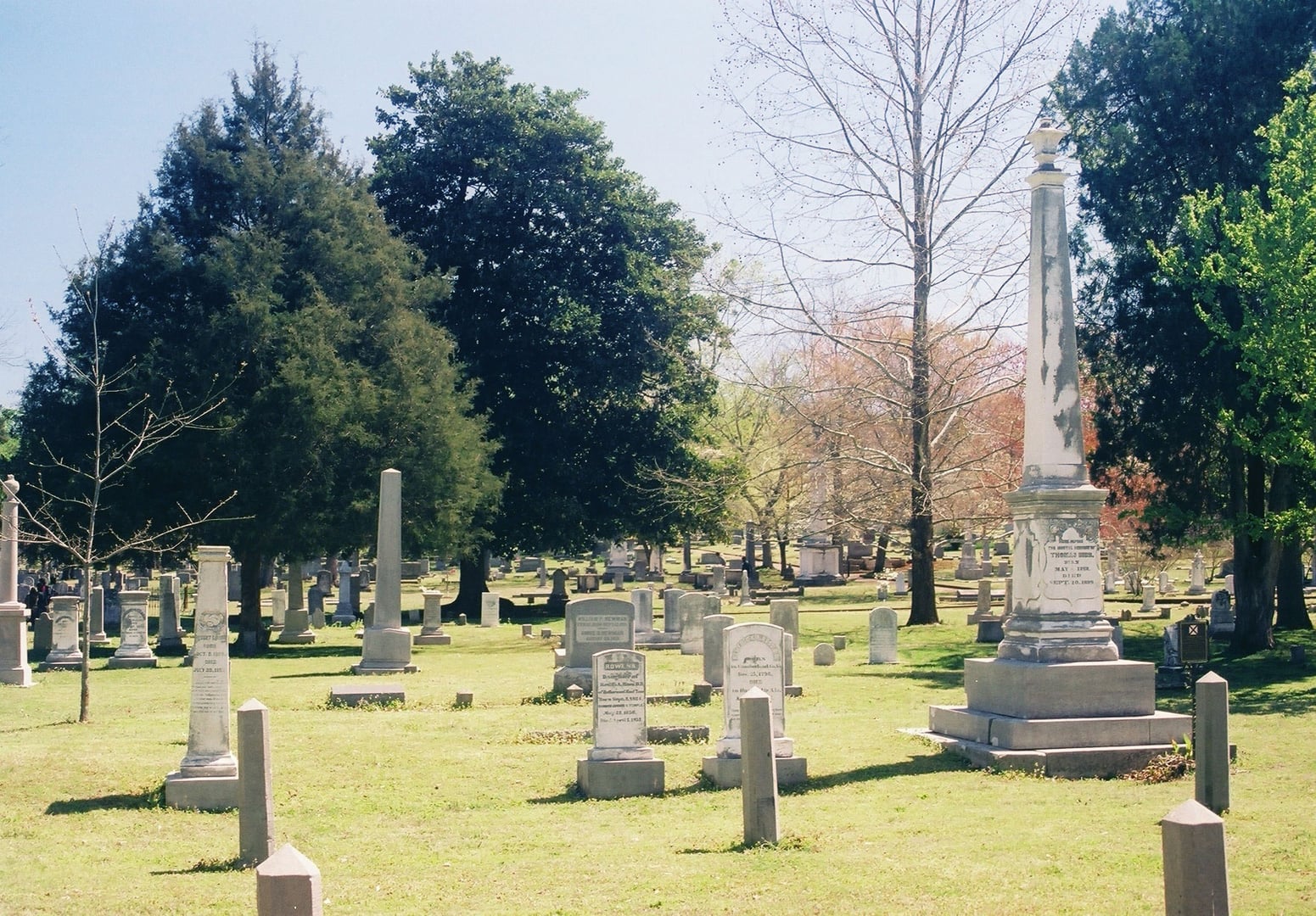
East Lawn Cemetery represents the institutional development of Sheldon during its early decades as a settlement. Sheldon itself was founded on July 4, 1872, as an Iowa prairie community. During the cemetery's first years, burials occurred in makeshift locations—unmarked prairie graves, farmstead burial plots, and informal sites scattered across the developing landscape.
In June 1881, recognizing the need for formal burial infrastructure, Mayor Wykoff was authorized to purchase ten acres in the Hartenbower Addition, located on the east end of Sheldon. The land was acquired for $400—a substantial investment for the era—and dedicated as East Lawn Cemetery. The name reflected both the geographic positioning and the Victorian sensibility of cemetery landscaping practices.
The establishment of the formal cemetery prompted a logistical challenge. Families of those buried at earlier prairie sites were responsible for disinterring and relocating their deceased family members to the new cemetery. This process occurred between 1881 and the following years, creating a diaspora of pioneer-era graves from scattered locations to a centralized burial ground.
In 1893, twelve years after the cemetery's founding, the Ladies Cemetery Association—a civic organization comprising approximately one hundred Sheldon women—commissioned and erected an archway at the cemetery's entrance. This structure, which persists into the present day, represents community investment in cemetery aesthetics and institutional memorial practices of the Victorian era.
The cemetery expanded to serve the broader O'Brien County region throughout the twentieth century. Today, East Lawn Cemetery remains under municipal management by the City of Sheldon, maintaining historical records and grave sites spanning over 140 years of regional history.
Sources
- https://sheldoniowa.gov/pages/cemetery/
- https://www.findagrave.com/cemetery/94629/east-lawn-cemetery
- https://www.nwestiowa.com/mail-sun/opinion/vos-the-mystery-of-lottie-donovan/article_8d3da3ab-dd5d-4114-86f1-29802addd69a.html
ApparitionsShadow figures
The paranormal reputation of East Lawn Cemetery centers on reported visual phenomena occurring at midnight. According to local legend, visitors who enter the cemetery at the witching hour observe a white, shadowy figure floating through the grounds. The accounts describe the apparition as indistinct and luminous rather than sharply defined, suggesting either a visual phenomenon misidentified as a ghost or genuinely anomalous light.
A second layer of folklore attaches to the historical mystery of Lottie Donovan. Her grave marker bears the date March 9, 1873—when she died at age 22 years, 9 months, and 13 days. The enigma concerns temporal impossibility: Sheldon was founded July 4, 1872, and the formal cemetery was not established until 1881. Lottie died before any official burial ground existed.
Historical records suggest that Lottie was likely buried on a farmstead or in a prairie grave during Sheldon's earliest months. When the formal cemetery opened, her remains were presumably disinterred and relocated by family members. Some local accounts speculate that Lottie may have been one of the first deaths in the Sheldon settlement, lending her grave particular historical significance.
Following this historical puzzle, some paranormal folklore attributes the midnight apparition to Lottie herself, suggesting her lingering attachment to a burial site that does not mark her original interment. The specificity of the midnight timing may reflect folkloric convention—the witching hour representing a liminal space where boundaries between physical and spiritual worlds thin. Whether reports of the floating white figure represent genuine paranormal phenomena, optical illusions related to moonlight and cemetery reflectivity, or purely folkloric storytelling remains undetermined.
The cemetery's established reputation appears primarily folkloric rather than the product of documented paranormal investigation, though the location's historical significance and atmospheric setting undoubtedly contribute to its ghostly reputation.
Notable Entities
Lottie Donovan