Delaware's First Civil War Draft Lottery (August 12, 1863) · Union Enrollment Headquarters for Delaware · Late-18th-Century Brick Architecture · Duck Creek Historical Society Museum
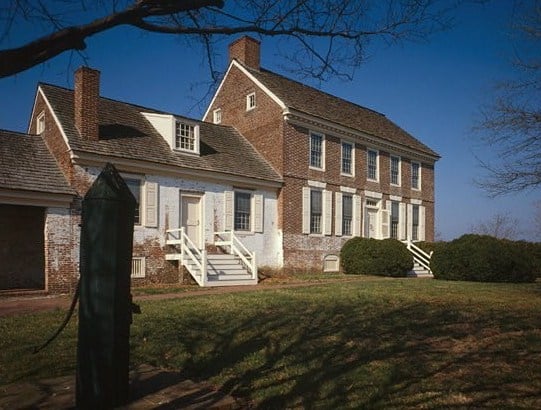
The house at 11 South Main Street in Smyrna was constructed by Robert Holliday in the late 18th century, according to the Delaware Public Archives historical marker (KC-85) on the site. Its traditional name, The Barracks, comes from local lore that militia were quartered there during the War of 1812; that wartime use is part of community tradition rather than documented record, and the state marker itself notes only the late-1700s construction and the building's Civil War role.
The documented dark chapter is from 1863. That year Smyrna became the headquarters for the enrollment of Union troops in Delaware, and on August 12, 1863 the state's first Civil War draft lottery drawing was held on the front porch of The Barracks. The lottery sent Delaware men into the Union army at a point in the war when the draft was deeply contested across the North.
In the 19th century the pharmacist James P. Hoffecker bought the property and altered it, adding a pharmacy attachment. After a succession of owners, Marianne Webb Faries donated the building to the Duck Creek Historical Society in 1981. The society restored it and opened it as the Smyrna Museum in 1989. The museum holds local-history collections for Smyrna and the surrounding Duck Creek Hundred and is open to visitors on Saturday mornings.
Sources
- https://duckcreekhistoricalsociety.org/smyrna-museum
- https://archives.delaware.gov/delaware-historical-markers/the-barracks/
- https://www.clayton.delaware.gov/1207/The-Smyrna-Museum
- https://smyrna.delaware.gov/365/Smyrna-Museum
- https://www.onlyinyourstate.com/trip-ideas/delaware/smyrna-most-haunted-small-towns-de
Disembodied voicesObject movementFeeling of being watchedPhantom footstepsLight anomalies
The folklore around The Barracks leans on the building's military past. Delaware haunted-travel listings collect visitor accounts of strange sounds and raspy voices inside the house, small objects moving on their own, and the feeling of being watched while alone in a room. A few listings add drifting balls of light in the hallways and garden and footsteps heard late at night when the house is empty.
These accounts circulate on user-submission paranormal indexes and regional listicles rather than in archival or scholarly records, which places them squarely in the folklore category. The Duck Creek Historical Society does not market the museum as haunted, and there is no overnight investigation program, after-dark tour, or paranormal merchandise on site.
The lore connects the reported activity to the soldiers tied to the house — the militia of local War of 1812 tradition and the Union men whose names were drawn in the 1863 draft lottery on the porch. It is a quiet undercurrent to what is otherwise a free, volunteer-run local museum open on Saturday mornings.