Only surviving Lewes structure damaged in the 1813 War of 1812 bombardment · Cannonball still lodged in the foundation · Operated as a maritime museum by the Lewes Historical Society
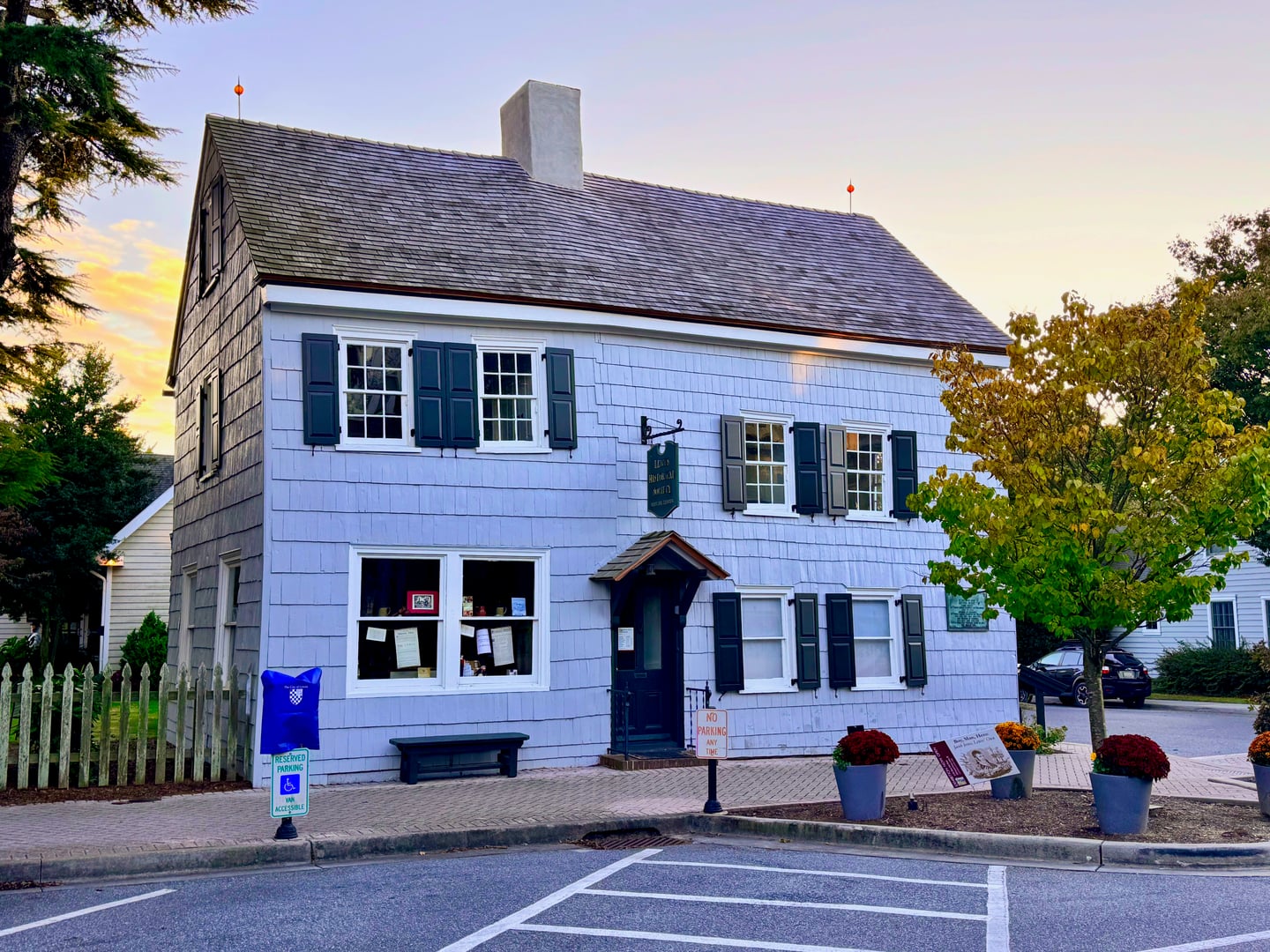
The Cannonball House stands on Front Street in the historic core of Lewes, Delaware, dating to the middle years of the 18th century. Lewes sits at the mouth of the Delaware Bay and was an important shipping town and a strategic point of defense, home to the bay and river pilots who guided vessels in and out of the bay.
The house takes its name from the April 1813 bombardment of Lewes during the War of 1812. A British squadron opened fire on the town's small forts over a period of about 22 hours. The Cannonball House is the only surviving Lewes structure damaged in that attack; an iron cannonball that struck the building remains lodged in its foundation and is still visible to visitors.
The Lewes Historical Society acquired the property and operates it as the Maritime Museum at the Cannonball House. Exhibits interpret the town's connection to the Atlantic, the Delaware Bay, and the river — the work of the local pilots, the shipping trade, and the shipwrecks that mark the coast.
The house is one of several historic buildings the society maintains in Lewes, and it appears on the society's seasonal haunted-history programming as one of the most-discussed sites in town.
Sources
- https://www.historiclewes.org/locations/maritime-museum-at-the-cannonball-house/
- https://midatlanticdaytrips.com/2018/10/have-a-hauntingly-great-time-in-lewes-de/
- https://www.capegazette.com/article/ghost-hunters-find-lewes-phantoms/17874
- https://ghostlandia.media/2022/08/31/ghost-to-coast-cannonball-house-delaware/
- https://www.wmdt.com/2014/10/haunted-delmarva-cannonball-house/
Door that will not stay shutTools or objects moved overnightFootsteps and a cold spot in an upstairs bedroomEMF and infrared anomalies recorded during a 2011 investigation
The reported haunting of the Cannonball House centers on a woman named Susan. According to the Lewes Historical Society's education staff, Susan caught her dress in the fireplace and died of her burns, an event the society dates to March 24, 1917 — though the staff frame the account with open questions about what actually happened. Visitors and the society's guides describe a door that will not stay shut and tools or objects found moved overnight.
In October 2011 the group Delmarva Historic Haunts conducted an investigation of several Lewes Historical Society buildings as part of a ticketed ghost tour. The investigators identified the Cannonball House as the most active of the buildings they examined, using electromagnetic-field meters, infrared cameras, and other equipment. The group's founder stressed that the work was meant as a serious treatment of local history rather than a haunted attraction.
Independent visitor accounts collected since then describe footsteps and a localized cold spot in an upstairs bedroom. None of these reports has been independently verified, and the society presents the Susan story as folklore tied to the house's long history rather than as established fact.
Notable Entities
Susan (a former resident said to have died in a hearth fire)
Where this legend is told