Connecticut's Second Oldest Burial Ground · Old Wethersfield Historic District · 17th-Century Colonial New England History
Wethersfield was settled in 1634, making it one of the oldest English communities in Connecticut and the oldest in Hartford County. When the burying ground began is unknown, but it definitely existed by 1638, as Henry Smith's land bordered it on the north side in that year.
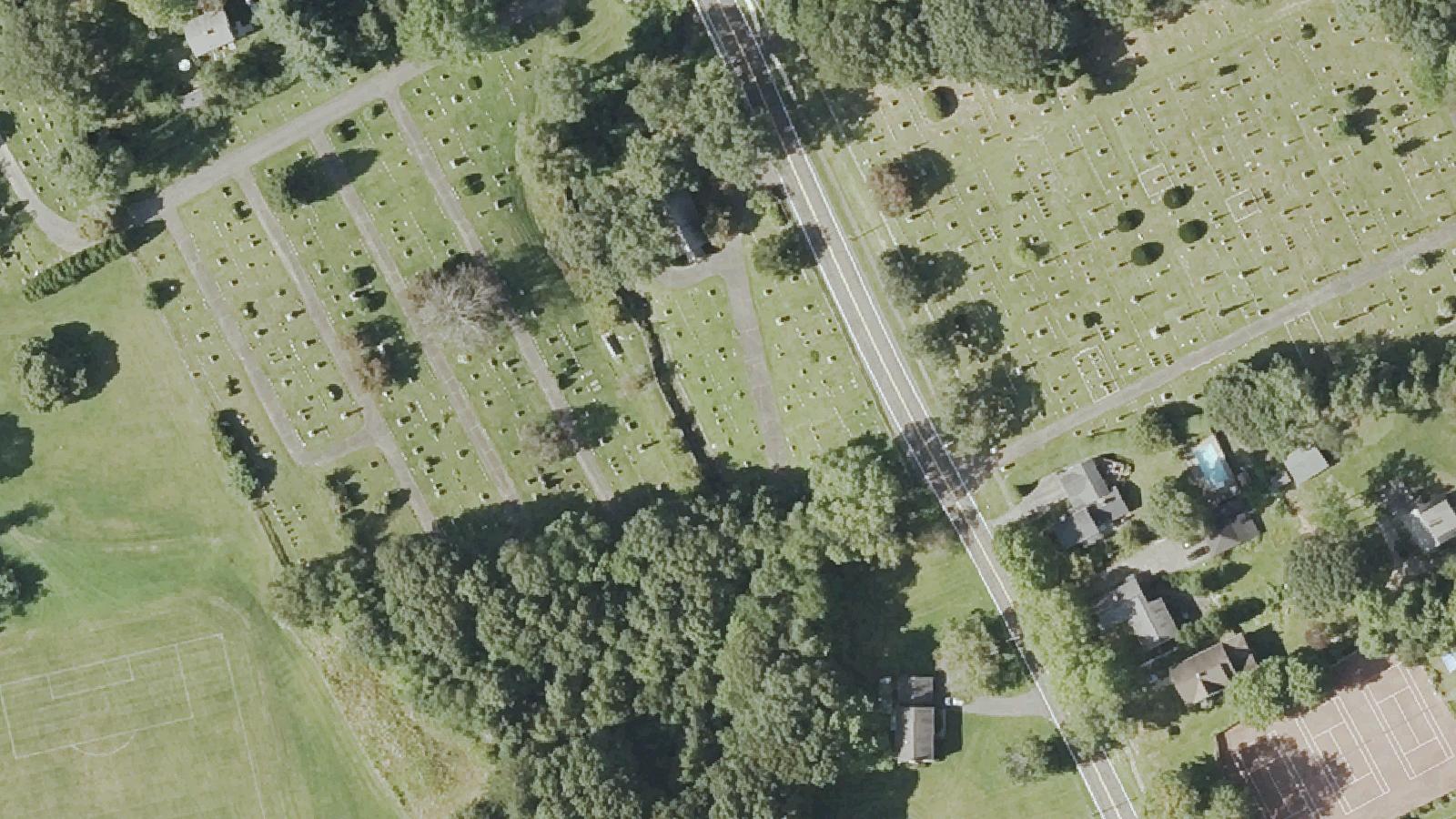
The burying ground sits on the town green — 'Hungry Hill,' as it was historically called — in the heart of Old Wethersfield, surrounded by the 18th and 19th-century architecture that makes this neighborhood one of the best-preserved colonial streetscapes in New England. The First Society, formed in 1722, governed the burying ground, its schools, and the church for nearly a century, and the First School Society assumed formal jurisdiction in 1821 under a state mandate.
The cemetery's history is documented by the Wethersfield Historical Society, which has undertaken a digitization project of the burying ground's records and maintains a detailed burying ground map. Colonial-era markers, including some of the distinctive winged-skull and urn-and-willow stones characteristic of 18th-century New England gravestone carving, are among the most photographically striking in the Hartford County region.
Contact Wethersfield Historical Society at [email protected] for guided-tour information; a public schedule and tour price are not established.
Sources
- https://www.wethersfieldhistory.org/burying-ground-digitization/history-of-ancient-burying-ground-and-village-cemetery/
- https://en.wikipedia.org/wiki/Old_Wethersfield_Village_Cemetery
- https://www.halloweennewengland.com/events/ancient-burying-ground-tour-wethersfield-ct
Apparitions
The report is four words: 'lady in white walks around at night.'
No name. No decade. No specific location within the cemetery. No account of what she does when approached, or whether anyone has approached. Just the figure, moving through a burial ground that definitely existed by 1638, although its beginning is unknown.
Wethersfield's Ancient Burying Ground is old enough that the question of which of its occupants might generate such a report has no practical answer. Puritan settlers from the 1630s and 1640s. Soldiers from four American wars. Victims of the 1781 Wethersfield Raid, when British forces burned much of the town. The community's social hierarchy from 300 years of New England history, rendered in stone at different price points and different levels of decorative ambition.
The lady in white as an archetype is common enough in New England cemetery tradition that the Wethersfield account risks disappearing into the category. What prevents that is the specific weight of the location — a graveyard older than the United States by more than a century, in a neighborhood that has maintained its 18th-century streetscape with unusual completeness. Whatever is observed in this burying ground is observed in one of the least-altered colonial landscapes in Connecticut.
Notable Entities
The Lady in White