Est. 1914 · National Historic Landmark (2009) · Site of the Ludlow Massacre, April 20, 1914 · Deadliest Event of the Colorado Coalfield War · UMWA-Owned Memorial Site · 11 Children and 2 Women Killed in the Cellar
The Colorado Coalfield War began in September 1913 when coal miners in Las Animas and Huerfano counties, organized by the United Mine Workers of America, struck against Colorado Fuel and Iron. CF&I, controlled by John D. Rockefeller Jr., evicted the striking workers from company housing. The UMWA established tent colonies to house the strikers and their families through the winter on open land near the mines.
By spring 1914, Colorado Governor Elias Ammons had deployed the Colorado National Guard — initially to maintain order, but increasingly acting on behalf of the mining companies. By April, most National Guard troops had been withdrawn and replaced by company guards in Guard uniforms.
On April 20, 1914 — Easter Monday — an altercation broke out at the Ludlow colony. The sequence of who fired first remains disputed. Guard and company forces opened fire with rifles and a machine gun on the tent colony of approximately 1,200 people. Colony leader Louis Tikas was captured, beaten, and shot dead. As the attack continued, residents took shelter in cellars dug beneath the tent floors. Late in the day, the tent colony was set on fire. Two women — Cedilonia Costa, 45, and Lucy Costa, 24 — and eleven children between the ages of 2 and 11, sheltering in the cellar beneath one tent, died of smoke asphyxiation when the tent above them burned. Four men were also killed during the fighting.
The Ludlow Massacre provoked an armed uprising by miners across the coalfields — the ten-day 'Ludlow War' — that was finally suppressed only by the deployment of federal troops. The total death toll of the Colorado Coalfield War exceeded 75 people. Subsequent hearings by the US Commission on Industrial Relations documented conditions at CF&I and placed significant blame on Rockefeller's management practices.
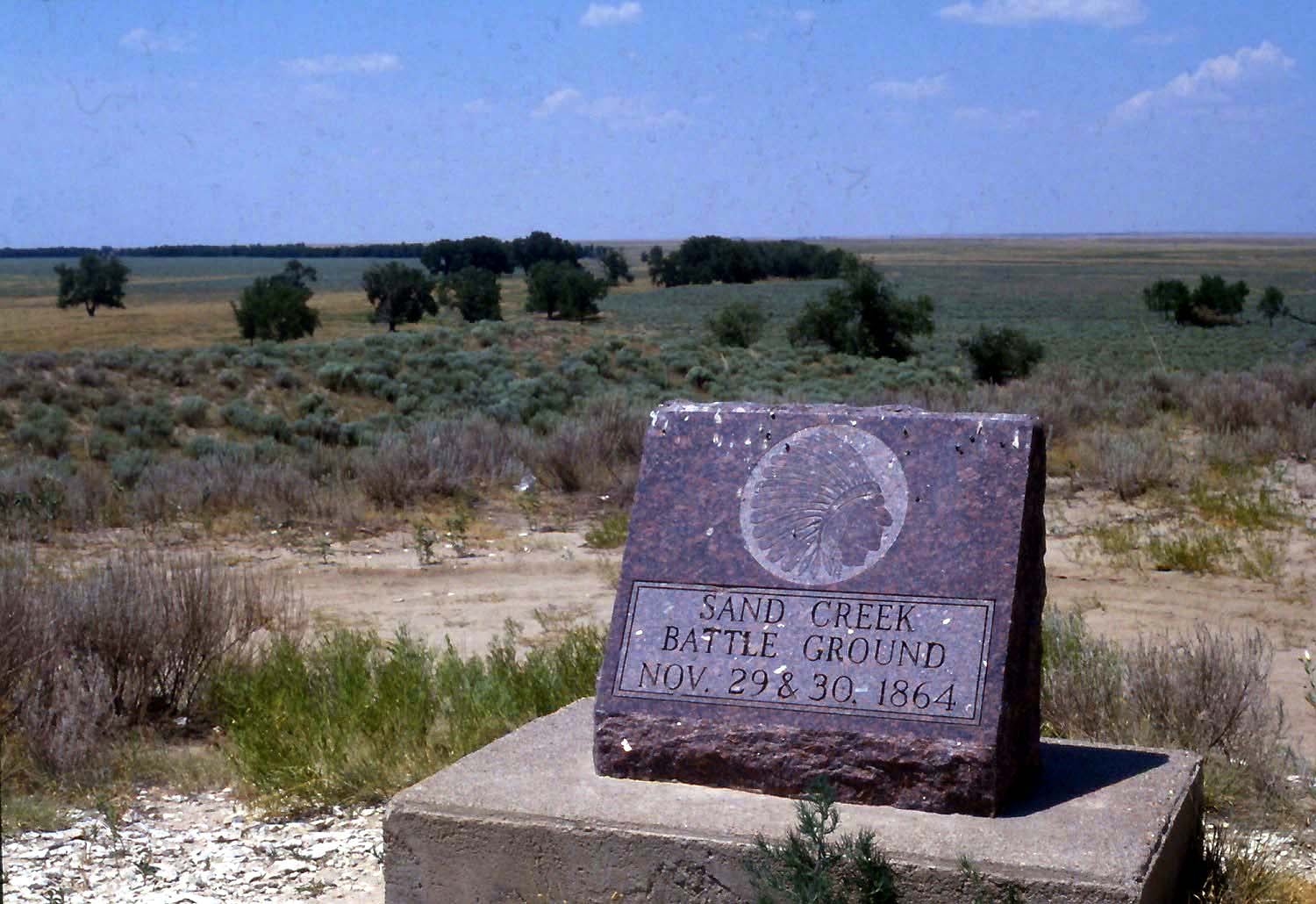
The site is a National Historic Landmark, designated in 2009, and is owned and maintained by the United Mine Workers of America. A 1918 granite monument and a concrete cellar marker identify the core of the former colony. The Smithsonian Institution and the Colorado Historical Society have conducted archaeological investigations on the grounds.
Sources
- https://en.wikipedia.org/wiki/Ludlow_Massacre
- https://www.historycolorado.org/location/ludlow-tent-colony-site
- https://www.uncovercolorado.com/ghost-towns/ludlow/
Pervasive heaviness reported at cellar markerInvoluntary emotional response (grief, distress) reported by visitorsSense of presence described as distinct from prior knowledge of the site
The Ludlow Massacre Site does not carry the kind of elaborated ghost lore — named apparitions, specific phenomena, paranormal investigation reports — that characterizes many Hauntbound entries. What is documented in Colorado dark-tourism and paranormal writing is more elemental: visitors describe a heaviness that settles specifically at the cellar marker, a grief that feels disproportionate to what they brought with them. Some accounts describe spontaneous emotional responses — tears, a pressing need to sit down — that people attribute to the place rather than their own expectations.
Colorado paranormal writing, including material collected in 'Unquiet Colorado,' frames Ludlow as a site where sustained, targeted violence against civilians — particularly the deaths of eleven children — left impressions that persist in the landscape. The site's isolation reinforces the atmosphere: surrounded by high desert scrub, miles from Trinidad, with the cellar depression visible in the ground and the monument catching the wind.
Hauntbound presents this framing with restraint. The cellar and the monument are real. The deaths documented there are real and documented. The visitor accounts of emotional weight at the site are consistent across independent sources. We do not invent supernatural framing for an atrocity site. The darkness here is entirely historical, and it needs no embellishment.
Where this legend is told