Est. 1941 · Japanese American Incarceration · World War II Enemy Alien Detention · Civil Liberties History · Japanese Peruvian Internment
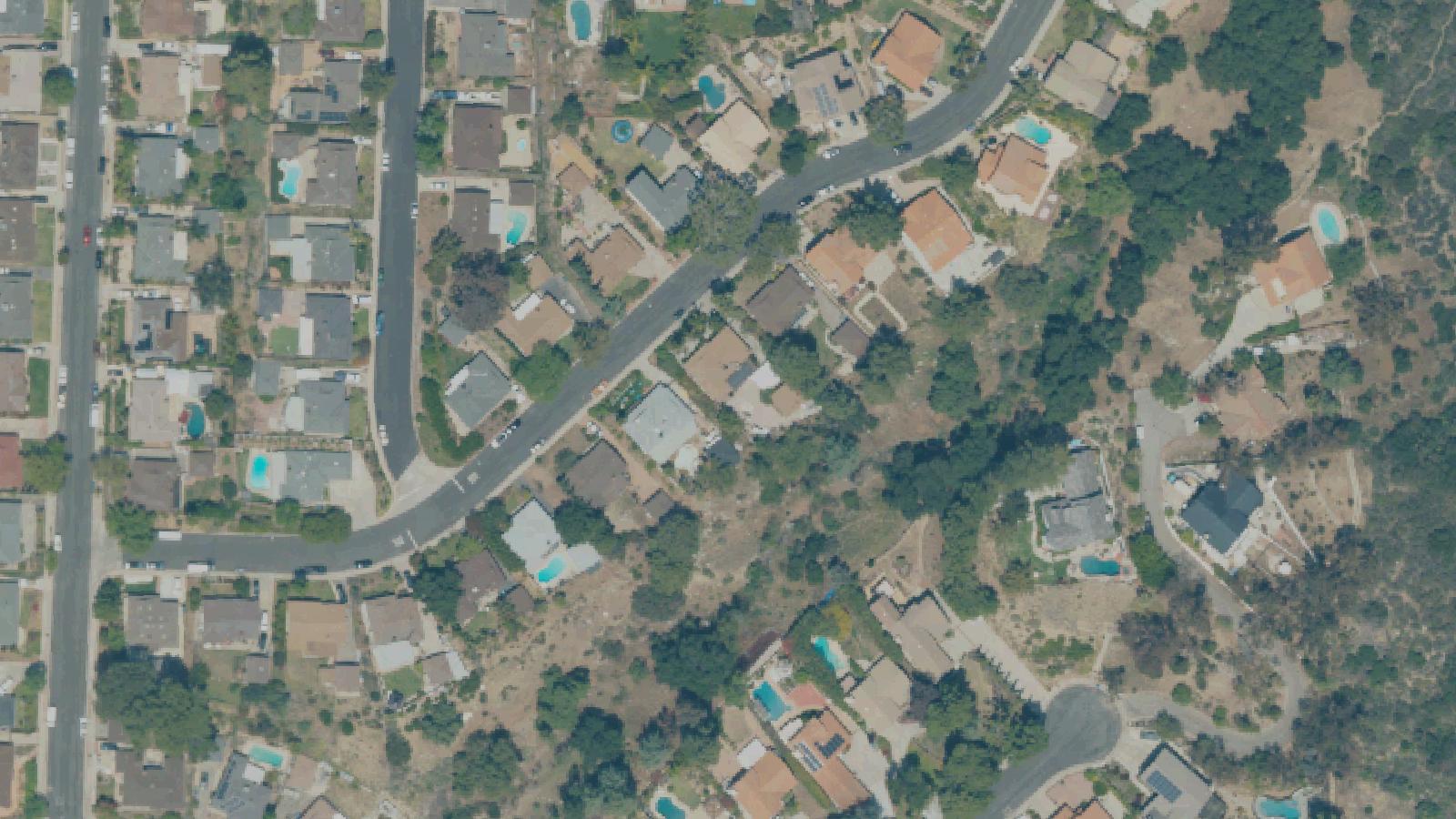
The Tuna Canyon site sits in the hills northeast of Los Angeles, where a CCC work camp had operated through the Depression years. Nine days after the Japanese attack on Pearl Harbor — on December 16, 1941 — the Department of Justice requisitioned the facility and opened it as a detention station for civilian immigrants classified as 'enemy aliens' under Presidential Proclamations 2525, 2526, and 2527.
At peak capacity the camp held approximately 320 detainees. They included Japanese, Italian, and German residents of the United States — many of them legal permanent residents with American-born children — as well as Japanese Peruvians who had been seized by the Peruvian government and handed over to U.S. authorities as part of a wartime exchange program. Conditions at the camp were described by former detainees as primitive: basic wooden barracks, inadequate sanitation, and limited access to legal counsel or family contact.
Detainees at Tuna Canyon were subject to individual hearings before Alien Enemy Hearing Boards, which determined whether they would be released, paroled, or transferred to longer-term internment camps operated by the War Relocation Authority. Some were held at Tuna Canyon for months before disposition.
The camp closed after the war. The structures were eventually demolished. In 2018, the City of Los Angeles erected a historical marker at the site. The Japanese American National Museum in Little Tokyo maintains a permanent exhibit titled 'Only the Oaks Remain' documenting the camp's history through photographs and detainee accounts.
Sources
- https://en.wikipedia.org/wiki/Tuna_Canyon_Detention_Station
- https://www.janm.org/exhibits/tuna-canyon
- https://laist.com/news/kpcc-archive/76-years-after-shutting-down-an-la-way-station-for
Atmospheric weightHistorical resonance
Tuna Canyon does not appear in formal paranormal investigation records. Its resonance is of a different kind: the kind that attaches to places where legal processes were suspended and ordinary people were removed from their homes and held in the hills, out of sight.
The Japanese American National Museum exhibit takes its title — 'Only the Oaks Remain' — from the oaks that still grow on the hillside where the camp stood. Former detainees interviewed for the exhibit described the trees as their primary anchor to the physical reality of the place: everything built by humans has since been removed, but the oaks witnessed the same canyon the detainees experienced.
Visitors to the historical marker report a stillness that the surrounding suburban development has not entirely erased. The canyon was chosen for the camp in part because of its isolation — far enough from the city that detainees could be held without drawing public attention. That quality of remove persists in the geography.
Where this legend is told