Est. 1890 · Southern Mendocino County Railroad-Era Hospitality · Late Victorian Commercial Architecture · Wine Country Historic Preservation
Hopland sits along the Russian River corridor in southern Mendocino County, historically a waypoint for travelers moving between San Francisco and the northern California interior. William Wallace Thatcher constructed the hotel in 1890 to capitalize on that traffic, designing it as the grandest inn in the immediate area. The building served as the commercial and social center of Hopland for decades, hosting travelers arriving by rail and stagecoach.
At some point during the property's operation, the third floor took on a secondary function as a bordello, a fact documented in local folklore and accepted by multiple regional sources. This aspect of the building's history is tied directly to the ghost narrative that has persisted around the property.
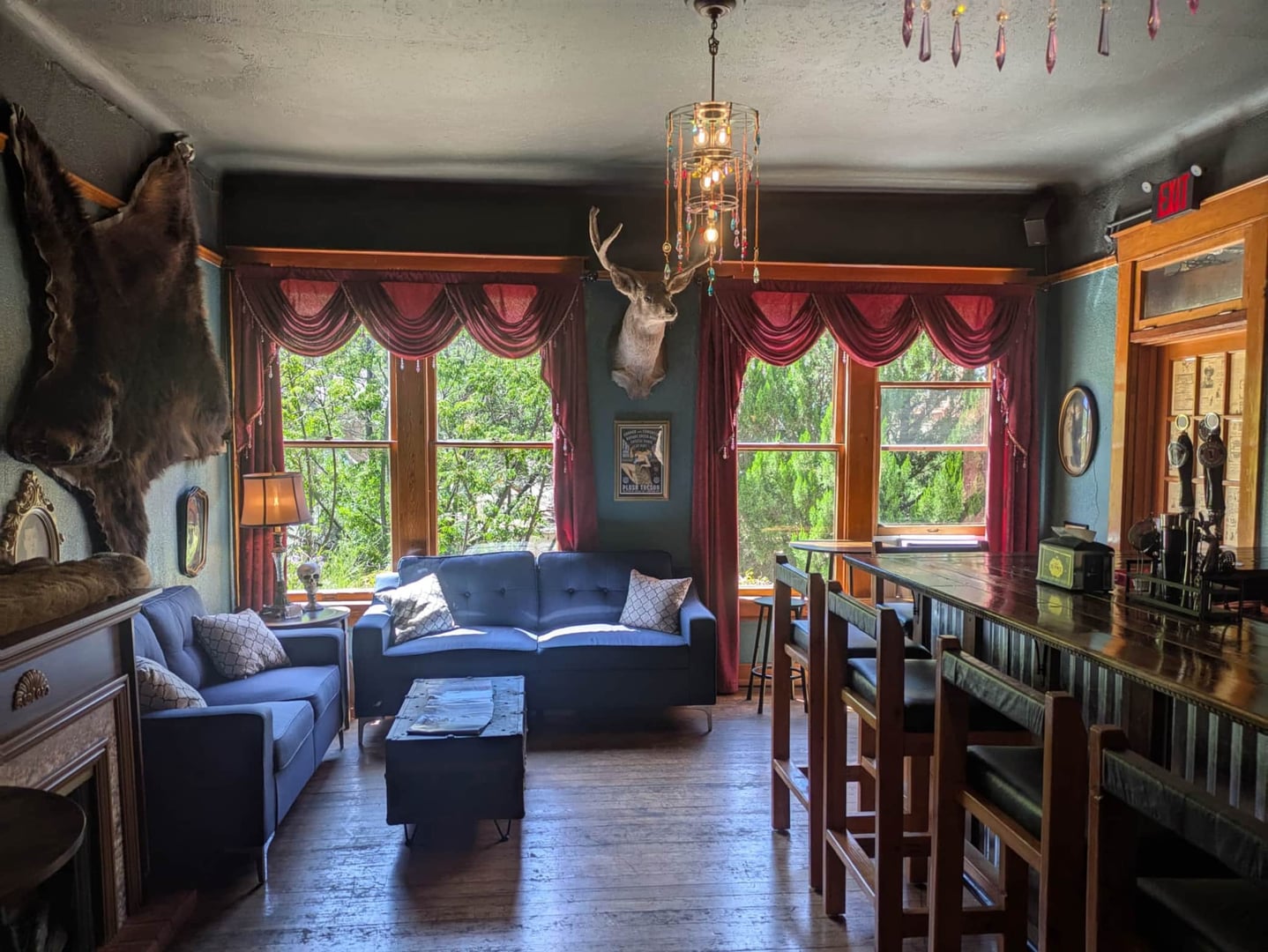
The hotel changed hands and closed at some point in the twentieth century. In 2017, entrepreneur Gary Breen and business partner Mark Rogero purchased the deteriorated property and commissioned design firm Medium Plenty to lead a restoration. The project cost nearly $5 million and took approximately two years. The restored hotel reopened in October 2019 with 18 guest rooms, a restored lobby bar serving mixed drinks, the Poppy Café, a library with original artwork, and outdoor amenities including a pool, microbrewery, fire pits, and bocce court.
The renovation preserved the Victorian bones of the structure while bringing it to contemporary boutique-hotel standards. General Manager Amy Pardini has described a stay at the Thatcher as 'really a historical experience.'
Sources
- https://www.pressdemocrat.com/2022/02/13/hoplands-thatcher-hotel-has-had-plenty-of-updates-but-old-bones-preserve-history-2/
- https://www.thatcherhotel.com/
ApparitionsUnexplained footstepsPhantom smellsObject movement
The haunting at the Thatcher Hotel centers on the third floor, which served as a bordello at some point in the building's history. Multiple accounts describe the apparition of a woman dressed in white who appears at upper windows in the evenings, her image visible from the street before gradually fading when observed.
At least one former employee reported seeing the figure on the third floor on multiple occasions, consistently in the evening hours and consistently near a window. The accounts are specific enough in detail — white dress, window-facing posture, gradual disappearance under observation — to suggest they come from independent sources rather than a single story amplified through retelling.
The folklore attaches a backstory to the figure: a woman who ended her life in an upstairs room after being rejected by a lover. Given the building's documented bordello history on that floor, the lore connects her death to that era of the property's operation. No historical documentation has been located to identify her.
Other reported phenomena include unexplained footsteps when staff are alone in the building, chairs that appear to have moved between visits, and a persistent smell of cigar smoke in rooms where no one has been smoking.
Notable Entities
Woman in White
Where this legend is told