Est. 1925 · Unsolved Murder 1933 · Art Deco / Moderne Architecture · Pasadena Cold Case
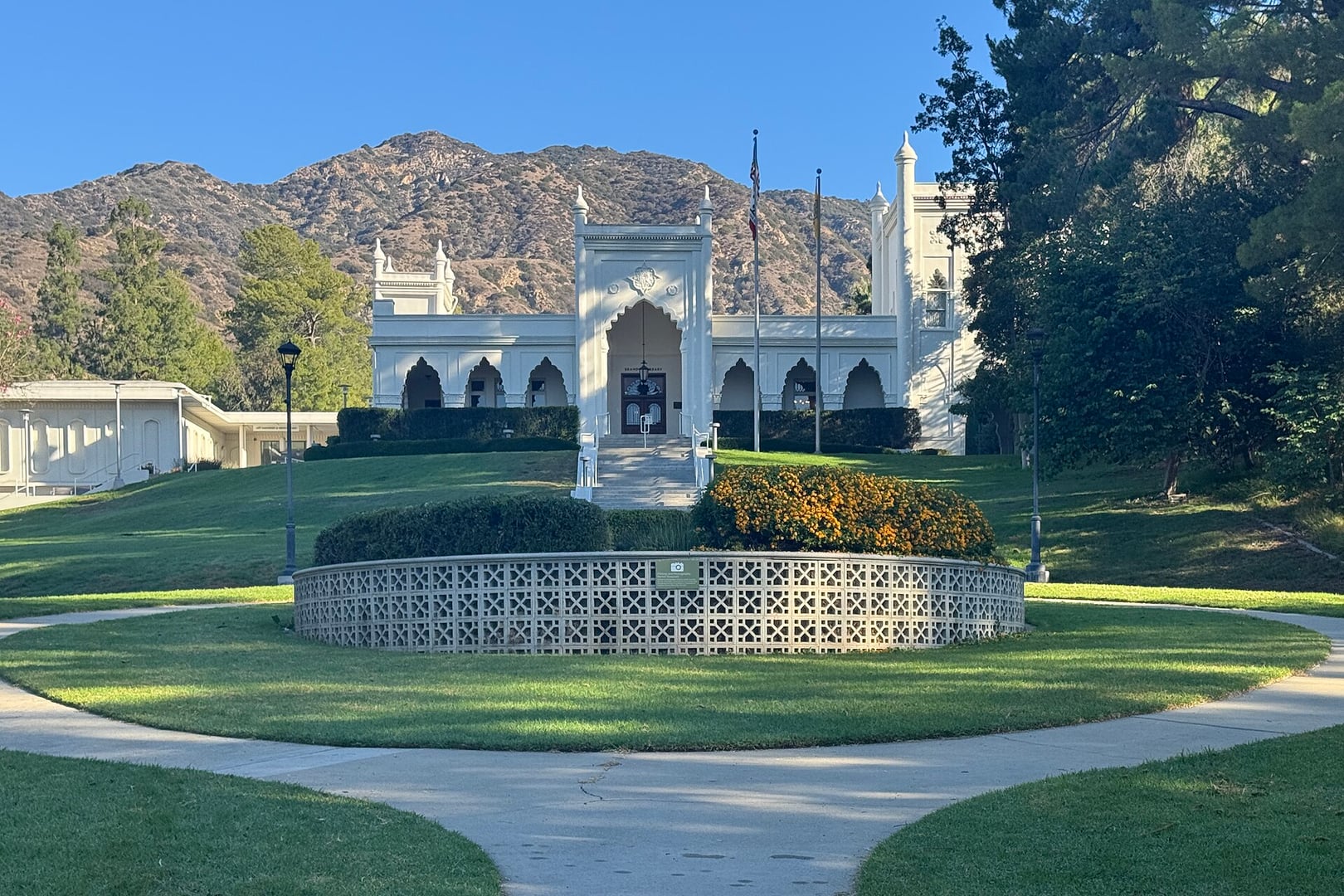
The Scottish Rite Cathedral at 150 N. Madison Avenue was completed in 1925 and immediately became one of Pasadena's more architecturally conspicuous civic buildings. Its Moderne facade and the pair of sphinx sculptures flanking the entrance steps gave it a presence that stood apart from the Spanish Revival that dominated downtown Pasadena in the same period. The Masonic fraternal organization used it for lodge functions; the broader community knew it primarily as a performance and civic gathering venue.
On the evening of December 13, 1933, Dr. Leonard Siever — a dentist with an established Pasadena practice and a reputation as a civic figure — was found shot in the parking lot beside the cathedral. He had been struck twice: once in the head, once through the heart. The precision of the shots, combined with the absence of witnesses and the apparent lack of a robbery motive, struck investigators and local journalists as unusual. Siever was not known to have enemies serious enough to warrant violence, and no plausible suspect ever emerged from the investigation.
Pasadena police worked the case through 1934 and into 1935, but the trail went cold without an arrest. The murder has since become one of the city's most discussed unsolved killings from the era. The sphinxes — present before the murder and unchanged since — lent the case its nickname: the Sphinx Murder.
The cathedral building continues to operate under Scottish Rite jurisdiction. It is featured on local haunted history walking tours specifically because of the 1933 murder and the charged atmosphere of the sphinx-guarded entrance. The parking lot where Siever died is publicly accessible.
Sources
- https://discover.hubpages.com/politics/unsolved-the-bizarre-sphinx-murder-case-of-1933
- https://calisphere.org/item/ark:/21198/zz002ck935/
Uneasy atmosphereCold spot near sphinx steps
The haunting reputation of the Scottish Rite Cathedral is tied almost entirely to the cold case rather than to documented paranormal reports. No eyewitness accounts of apparitions have been reliably recorded in the manner of more formally investigated sites. What the location offers instead is a documented, unresolved violent death in a public space that has never been explained, adjacent to Egyptian Revival imagery — stone sphinxes staring without expression toward the street where Leonard Siever was shot.
Pasadena's haunted history walking tour circuit has included this stop for at least two decades, presenting the site as the city's most cinematic unsolved murder: a 1933 killing, two precise gunshots, no witnesses, no arrest, and sphinx guardians that saw everything. Tour participants regularly report an uneasy quality to the parking lot after dark that they struggle to attribute purely to imagination. Whether that is the psychological weight of knowing what happened there or something else depends on who you ask.
The cathedral building itself has not been the subject of formal paranormal investigation. The designation as a dark-tourism site rests on the murder history and the way the sphinxes function as visual anchors for the story.
Where this legend is told