Est. 1868 · 19th-Century Protestant Settlement · San Mateo Coast Agricultural History · Ghost Town Remnant · Pioneer Cemetery
Purissima occupied a coastal valley approximately four miles south of Half Moon Bay, running inland from Highway 1 along what is now Verde Road. The settlement was established around 1868 as a Protestant farming community — distinct in religious character from the predominantly Catholic ranching families who dominated the San Mateo Coast during the same period.
Henry Dobbel was the settlement's principal founder. He organized the community, acquired land, and recruited settlers to the valley, which offered reasonable agricultural soil and coastal access. The settlement sustained a small population through the 1870s and into the 1880s, establishing the church and cemetery that were its institutional core.
Dobbel's finances deteriorated over the following decades. Repeated crop failures — the coastal fog belt that makes the San Mateo Coast scenic also limits growing-season reliability — eroded the community's economic base. Dobbel died in 1891 with his finances compromised. Without his organizational energy and with the agricultural failures accumulating, Purissima's population dispersed. By the late 1930s, the settlement was fully abandoned.
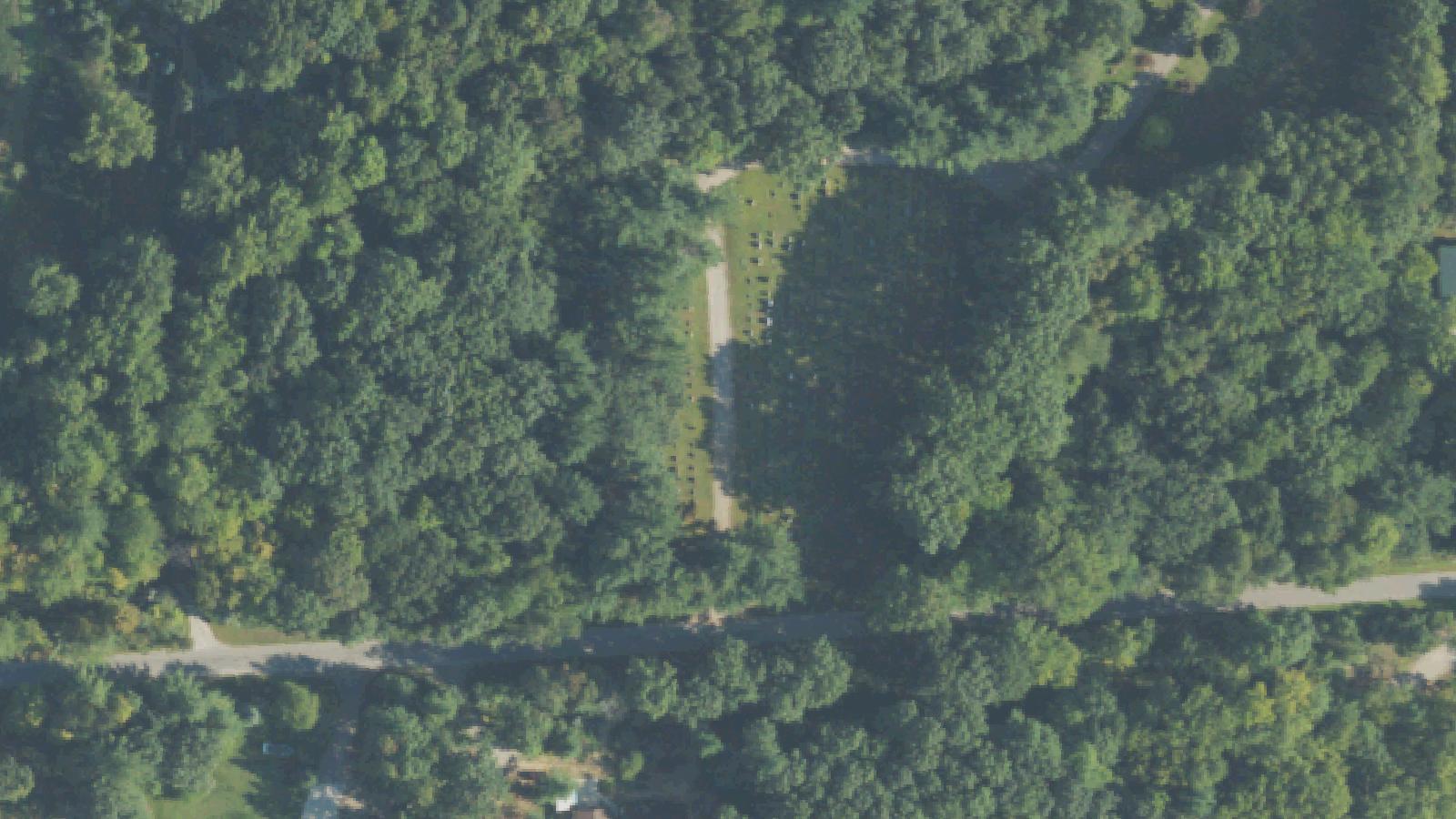
The cemetery on Verde Road survived where the other structures did not. Its 19th-century markers — including the Dobbel family plot and graves from other founding families — remain in relatively preserved condition given the site's decades of abandonment. KQED covered the site in depth, describing its history and current state as a publicly accessible ghost town remnant. The San Mateo County Board of Supervisors has periodically recognized the site in historical documentation.
Sources
- https://www.kqed.org/news/11924242/purissima-the-ghost-town-hidden-near-half-moon-bay
- https://www.smdailyjournal.com/news/local/san-mateo-county-has-its-share-of-the-supernatural-urban-legends-and-ghosts-stories-haunt/article_93afb1dd-ceba-5fb8-9a27-5be9e47c3c9a.html
Premature burial legend
The specific legend attached to Purissima Cemetery is unusual for California paranormal folklore: a buried child, exhumed at some point after interment, found to have turned in his coffin. The San Mateo Daily Journal's coverage of San Mateo County ghost history documented this account as part of the Purissima site's lore — noting that the position of the child's remains was inconsistent with how the burial was conducted, suggesting that the child may have been interred alive.
Premature burial was a documented anxiety in 19th-century America, and a legitimate one given the limitations of medical death determination at the time. The account at Purissima is unverifiable — there is no surviving autopsy record, no newspaper coverage from the period of the exhumation, and no confirming documentation beyond the oral tradition preserved in the Patch-era reporting. It sits squarely in local legend territory.
What the site has in abundance is physical atmosphere. The cemetery is the only surviving structure of a community that ceased to exist before World War II. The surrounding agricultural landscape has changed relatively little since the town's abandonment. Visiting the cemetery means standing in a space that belonged to people who are fully gone — settlement, community, built environment — in a way that most California historic sites, continuously occupied and overlaid, do not provide. That condition alone has drawn visitors for decades.
Where this legend is told