Est. 1914 · Local History Museum · Pleasanton Historic Downtown · Former Carnegie Library Building
Pleasanton occupies a valley in the Diablo Range foothills that became strategically important during the 1850s and 1860s as a cattle supply and overland route junction. Contemporary accounts described it as 'the most desperate town in the West,' noting 19 operating bars, active brothels, and documented murders during its peak frontier period. The civic character changed substantially as the county seat moved and the rough trade dispersed, but the Victorian-era buildings that housed this period survived in substantial numbers along Main Street.
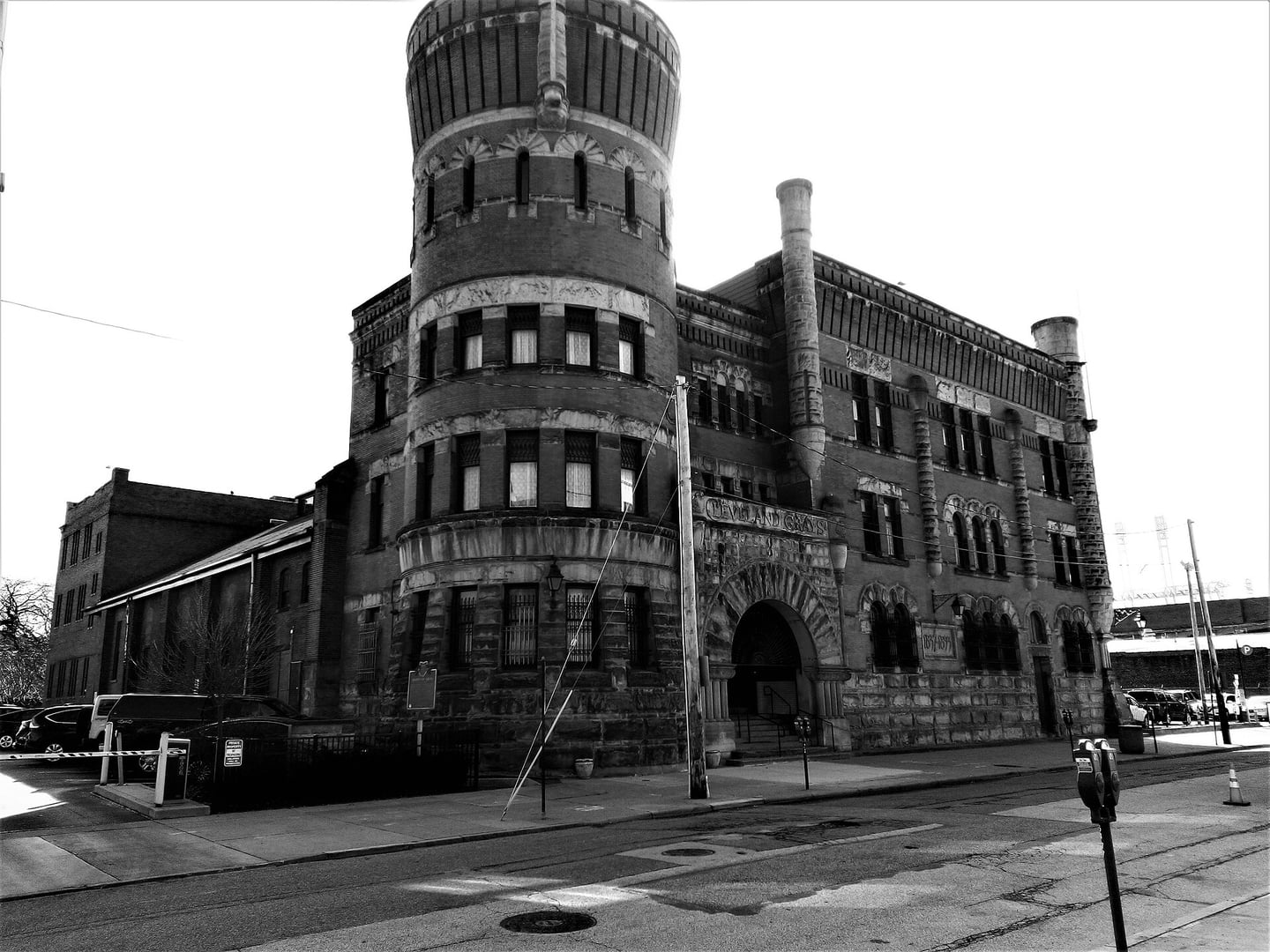
The Museum on Main was established to document and present this local history. It occupies the former Carnegie Library building at 603 Main Street, itself a historic structure. The museum's collections focus on Pleasanton and the surrounding Tri-Valley area through the ranching, agricultural, and early suburban development periods.
The Downtown Ghost Walk began as a seasonal programming event drawing on the museum's historical research. Over more than 15 years of operation, it evolved into one of the region's more established local ghost tours — visiting ten documented sites with accumulated paranormal reports rather than theatrical set-dressing alone. The 2024 iteration was covered by the Pleasanton Weekly as a returning fall event, and regional tourism board Visit Tri-Valley lists it as an established annual attraction.
Sources
- https://www.museumonmain.org/ghost-walk.html
- https://www.pleasantonweekly.com/family-lifestyle/2024/09/10/ghost-walk-back-in-downtown-pleasanton-for-spooky-season/
Phantom footstepsObjects movedUnexplained lightsApparitions
The Downtown Pleasanton Ghost Walk is different from theatrical haunted attractions in one significant way: the Museum on Main is a local history institution, and its tour is built on documented site histories rather than invented framing. The ten locations on the current route were chosen because they had accumulated credible reported phenomena — staff accounts, owner reports, or documented incident histories — rather than because they looked appropriately spooky.
The most prominently documented stop is the Blue Agave Club at 625 Main Street, whose owner Susie Garcia described her experiences to ABC's 20/20 in 2014. Other stops on the route include additional Victorian-era commercial buildings whose owners or long-term tenants have reported similar categories of unexplained activity: footsteps, moved objects, lights activating independently.
The historical framing the museum provides connects these reports to Pleasanton's 1850s record — 19 bars, documented murders, and a rough frontier character that the town's later suburban development obscured rather than erased. Whether that history produces the reported phenomena is not a claim the museum makes directly. What the tour does is connect the built environment that survived to the events documented in historical records and the accounts that come from the people currently working in those buildings.
Where this legend is told