Est. 1841 · California Historical Cemetery · Bear Flag Republic · Gold Rush Era · National Register of Historic Places
Mountain Cemetery sits at the base of Schocken Hill, a few blocks north of the Sonoma Plaza, in land that was originally part of the vast Rancho holdings of General Mariano Guadalupe Vallejo. Vallejo eventually sold the surrounding acreage, and while the earliest burials at the site date to the 1840s, the specific moment and mechanism by which the land became a public cemetery is not definitively established in surviving records.
The cemetery's notable occupants span the full arc of California's transformation from Mexican territory to American state. William Smith, buried here, is the only known Revolutionary War veteran laid to rest in California and represents the oldest proven interment in the cemetery. General Vallejo himself — the central figure in the Bear Flag Revolt of 1846 and one of the dominant political and social forces in Northern California in the mid-19th century — is buried here with his wife, Francisca Carrillo Vallejo.
Two members of the Donner Party are also interred at Mountain Cemetery. John McCracken and his family are among the most notable — significantly, the McCrackens declined to take the catastrophic Hastings Cutoff that led to the Donner Party disaster, surviving because they took the safer established route instead. Their graves here represent a different California story: the one that didn't become a tragedy.
Samuele Sebastiani, founder of the Sebastiani Vineyards — one of Sonoma's defining wine institutions — is also buried in the cemetery, linking it to the region's present-day identity as a wine destination.
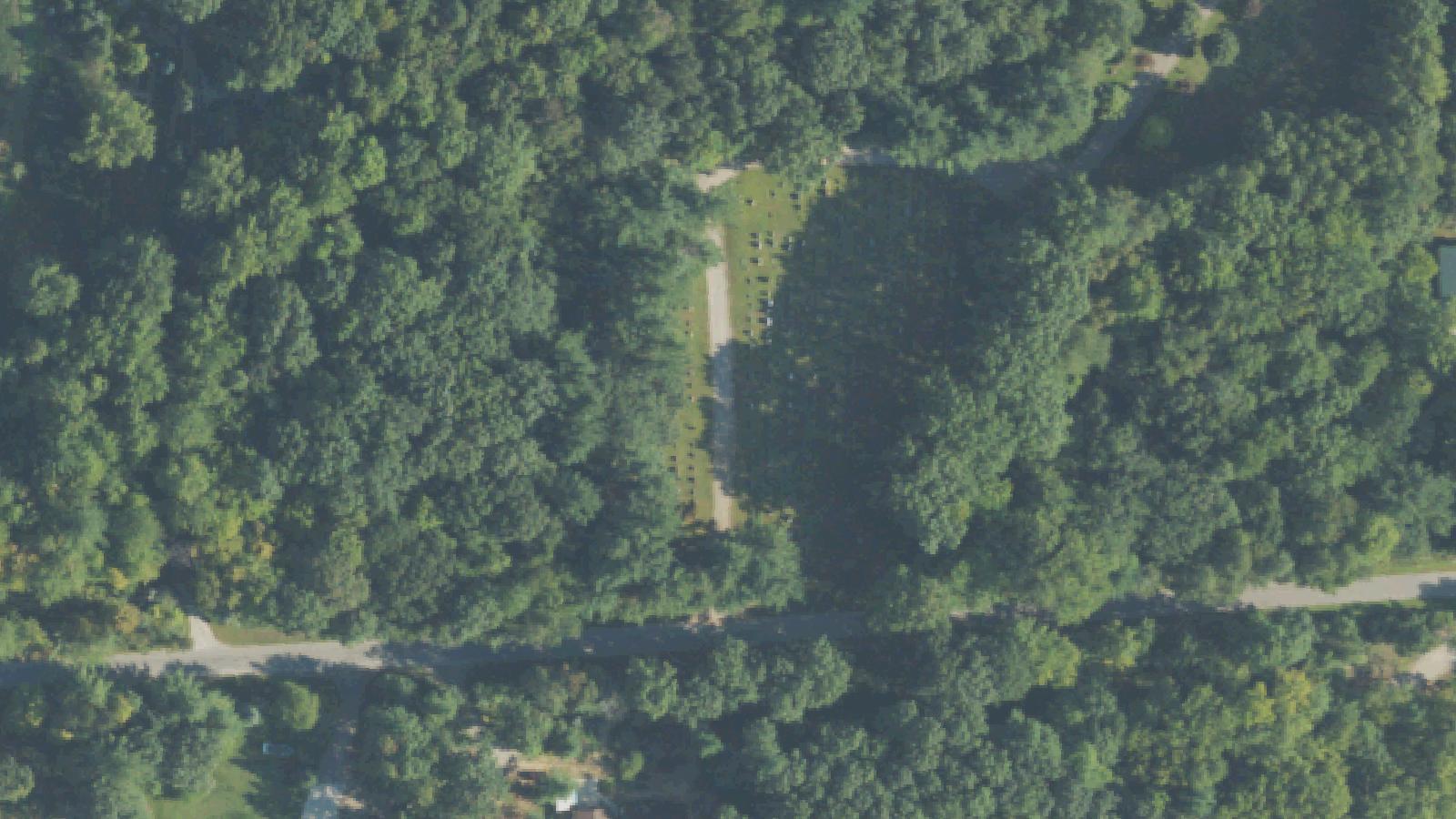
The cemetery remains active, managed by the City of Sonoma. The Historic Grounds section is well-maintained and accessible for self-guided walking tours; a downloadable tour map is available from the city. An outer wooded section, beyond the maintained grounds, contains older markers in various states of deterioration. This area includes broken monuments, overgrown plots, and isolated graves separated from the main cemetery by vegetation.
Sources
- https://en.wikipedia.org/wiki/Mountain_Cemetery
- https://www.sonomacity.org/mountain-cemetery/
- https://sonomasun.com/2008/10/31/the-ghosts-of-sonomas-past/
- https://www.pressdemocrat.com/2010/10/24/ghost-storiesold-cemeteries-a-perfect-place-to-get-a-glimpse-of-local-history-and-maybe-a-ghost-or-two/
Cold spotsApparitionsPhantom smells
Mountain Cemetery divides, functionally if not officially, into two distinct zones. The maintained Historic Grounds feel like a well-tended outdoor archive — stone paths, legible markers, tour-map landmarks. The outer wooded section is something else.
Beyond the gated sections of the main cemetery, in an area shaded by trees and separated from the primary burial grounds, sit dilapidated markers in various states of ruin — headstones tilted at angles, inscriptions worn beyond reading, some fragments visible at ground level. It is in this section that reported phenomena concentrate.
Visitors to the area have described cold spots that don't correspond to obvious environmental causes, a foul and unidentifiable smell, and strange lights observed in the tree line. The described sensation is less one of presence than of weight — a persistent unease that multiple visitors have independently noted without apparent coordination.
One specific marker has accumulated its own reputation: a simple grave separated from the main cemetery plots, bearing only the single name 'Lise.' No date, no family name, no epitaph. Teenagers who have found and visited it have reported a sense of extreme dread — a subjective response that doesn't resolve into a more specific account but recurs consistently enough to be noted in local documentation.
The Sonoma Valley Sun and the Press Democrat have both covered the cemetery's paranormal reputation in their Halloween journalism, describing the outer section as genuinely unsettling in atmosphere regardless of one's position on the existence of ghosts.
Notable Entities
Lise (unidentified grave)