Dinner Booking Required
Coral Tree Tea House at the McConaughy House
Visit the Coral Tree Tea House inside the 1887 McConaughy House for tea service in the restored Stick Eastlake Victorian parlor.
- Duration:
- 1.5 hr
HauntBound archive · catalog record
Reported phenomena, as catalogued
+ 3 further entries on record
1887 Stick Eastlake Victorian moved to Heritage County Park in 1981 — now home to the Coral Tree Tea House and Old Town Gift Emporium, with attorney-era restoration reports of footsteps, a woman's voice in empty hallways, and photographic orbs.
2490 Heritage Park Row, San Diego, CA 92110
Research updated June 2026
Age
All Ages
Cost
Free
Free to enter Heritage County Park grounds; tea house menu pricing applies if visiting Coral Tree Tea House.
Access
Wheelchair OK
Heritage Park has paved walks and minor slopes; Victorian-era residence has front steps but ground-floor tea-house entry is accessible.
Equipment
Photos OK
Est. 1887 · 1887 Stick Eastlake Victorian commissioned by pioneer San Diego transport operator John McConaughy · Moved to Heritage County Park in January 1981 as part of Save Our Heritage Organisation rescue program · Restored and occupied by a law firm for approximately 15 years post-move · Now home to the Coral Tree Tea House and Old Town Gift Emporium
John McConaughy founded the first scheduled passenger and freight stage service between San Diego and Julian. In 1887 a Stick Eastlake Victorian residence was built for him in Old Town, distinguished by Eastlake-style brackets, a low-pitched roof, and a prominent bay window. The house was home to the McConaughy family, including sons William, James and Henry and daughter Mary.
Over the next several decades the building shifted in use as Old Town's commercial center declined and rebuilt. By the late twentieth century it was one of several intact Victorian-era buildings facing demolition pressure on its original lot.
In January 1981, the McConaughy House was moved to the newly established Heritage County Park, a project initiated by Save Our Heritage Organisation and San Diego County to preserve Victorian-era residences by relocating them to a single shared park. The house joined the Sherman-Gilbert House, the Christian House, and several other Victorians on a re-platted block.
Following the move, a group of attorneys restored the building and occupied it as office space for approximately fifteen years. It was during this restoration-and-office tenure that the most-cited paranormal accounts originate. The building later transitioned to commercial-hospitality use, and the McConaughy House now hosts the Coral Tree Tea House on its main level and the Old Town Gift Emporium in adjacent spaces. The building remains a contributing structure to Heritage County Park's collection of preserved Victorian residences.
Sources
The McConaughy House's modern paranormal accounts originate in the post-1981 restoration period when a law firm occupied the building as office space. Restoration-era staff reportedly heard footsteps in upper hallways with no one present, and recurring disturbances loud enough to send attorneys and clerical staff into empty rooms to investigate. The Coral Tree Tea House, the current business operating out of the building, acknowledges this tradition on its own website, stating 'There is no doubt that this beautifully restored house is spirited,' and current staff report items being rearranged in the gift shop and electricity flickering — accounts independent of the original lawyer-era reports.
A preliminary investigation by psychic Ginnie McGovern, the International Paranormal Research Organization (IPRO), and the San Diego Ghost Hunters captured a woman's voice from a deserted hallway, clicking and shuffling sounds, and produced photographs with orbs. A second independent investigation was conducted by ISAW Paranormal (the 'I Saw a Ghost' blog group) in October 2009. The McConaughy House became the source of most of the night's activity across Heritage Park; the ISAW team captured what they described as one of their best EVPs of that investigation (sounding like 'What's your name?') and recorded pronounced K2 meter activity. ISAW Paranormal subsequently held annual investigations at the house. The 2009 ISAW session is documented independently of the earlier Ginnie McGovern/IPRO session and represents a second named group's documented experience at the site.
Some accounts attribute the activity to members of the McConaughy family, but no documented death inside the house is tied to the haunting, and the house has been occupied across multiple ownerships and a major 1981 relocation, which complicates any 'site-memory' framing. The lore is best read as restoration-era staff-and-visitor folklore on a consistent base of reports spanning multiple decades and two independent investigation groups.
Where this legend is told
Visit the Coral Tree Tea House inside the 1887 McConaughy House for tea service in the restored Stick Eastlake Victorian parlor.
Walk Heritage County Park's collection of saved Victorian-era buildings, including the McConaughy House, Sherman-Gilbert House, and Christian House.
Some links on this page may earn HauntBound a small commission when you book, at no extra cost to you. Our editorial picks are independent. Full disclosure
Every HauntBound history is researched from documented sources. We clearly separate verified historical fact from paranormal folklore.
Free Guide
10 verified stops, rated for families, mapped in order. Free.
One email to confirm, then the guide link. Unsubscribe anytime.
Redlands, CA
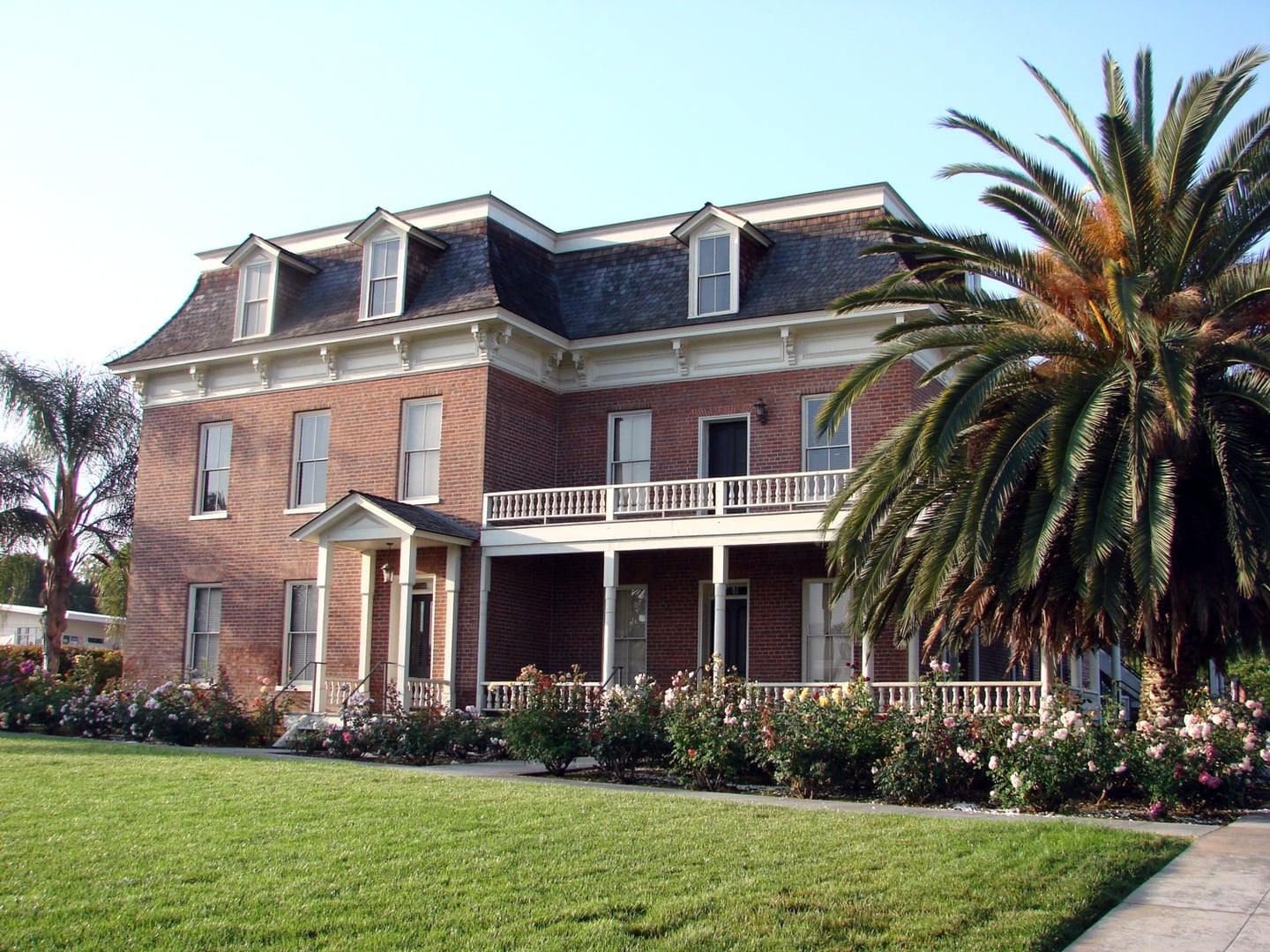
Barton Villa, at 11245 Nevada St in Redlands, was built in stages beginning in 1866–67 by Dr. Benjamin Barton, an early Anglo settler and large landowner in the area. The first fired-brick house in Redlands, it is the oldest surviving residence in the city. The property was listed on the National Register of Historic Places on October 24, 1996. Dr. Barton purchased his initial 640-acre parcel in 1859 and retired from medicine in 1866 to build the estate.
Napa, CA
Built in the 1880s by Maine-born sea captain John Quincy Greenwood on 500 acres in Jameson Canyon, the farmhouse became the site of a brutal 1891 home invasion. Billy Roe and William Schmidt tied and drugged the captain, then murdered his wife Lucina. Roe was hanged on January 15, 1897 — the last official public hanging in California.
Burlingame, CA
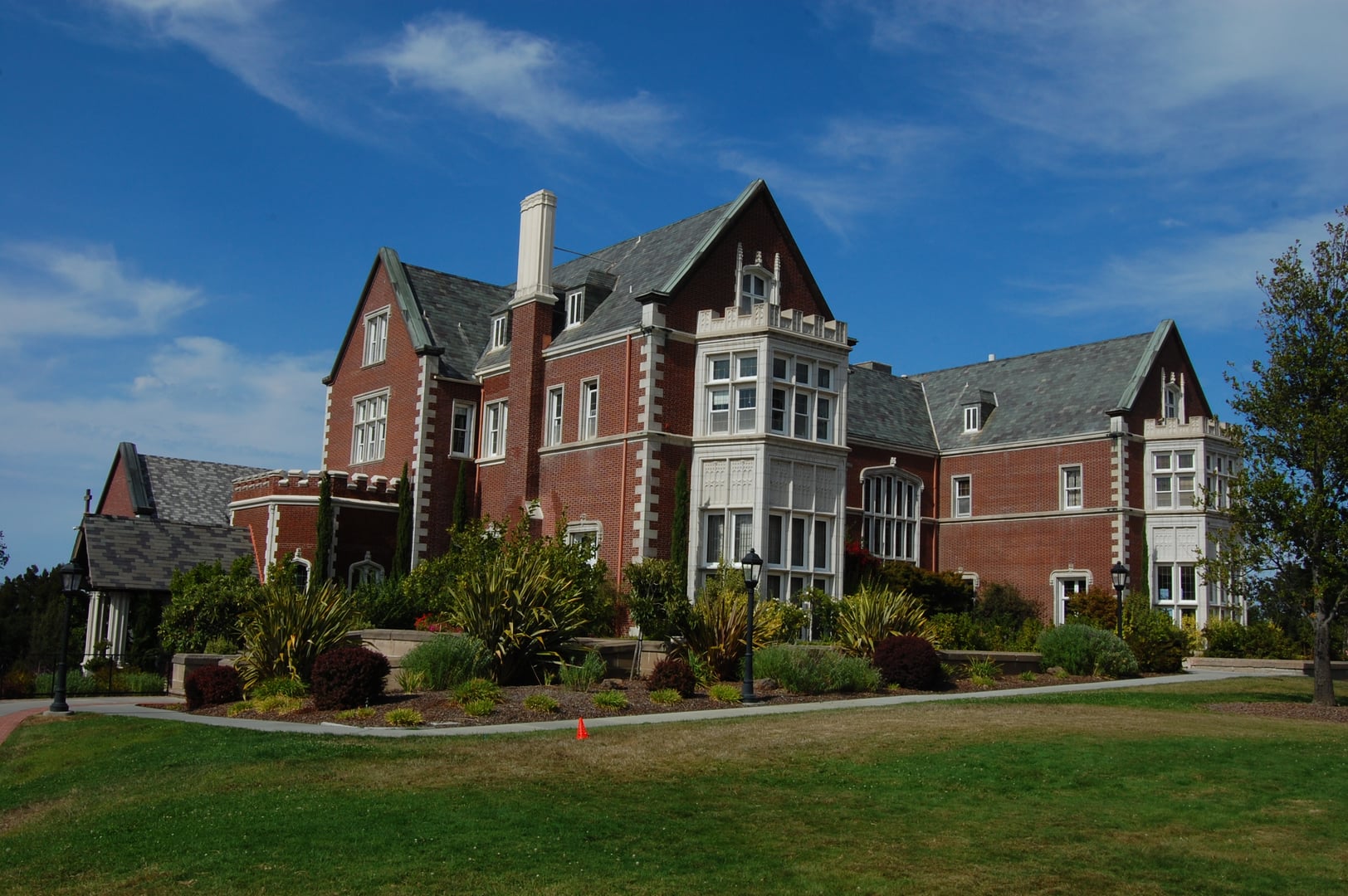
Charles Frederick Kohl, son of a San Francisco shipping magnate, built the 53-room Tudor Revival mansion at 2750 Adeline Drive in Burlingame in 1914. Seven years later, in 1921, he shot himself inside the mansion while in the grip of an obsessive fear of his former French maid, Adele Verges, who had shot him through the chest in 1912. The Sisters of Mercy purchased the estate in 1924 and converted it into a Catholic girls' school.