Est. 1861 · Victorian-era lumber merchant architecture · Mendocino Coast preservation landmark · Mendocino Historical Research, Inc.
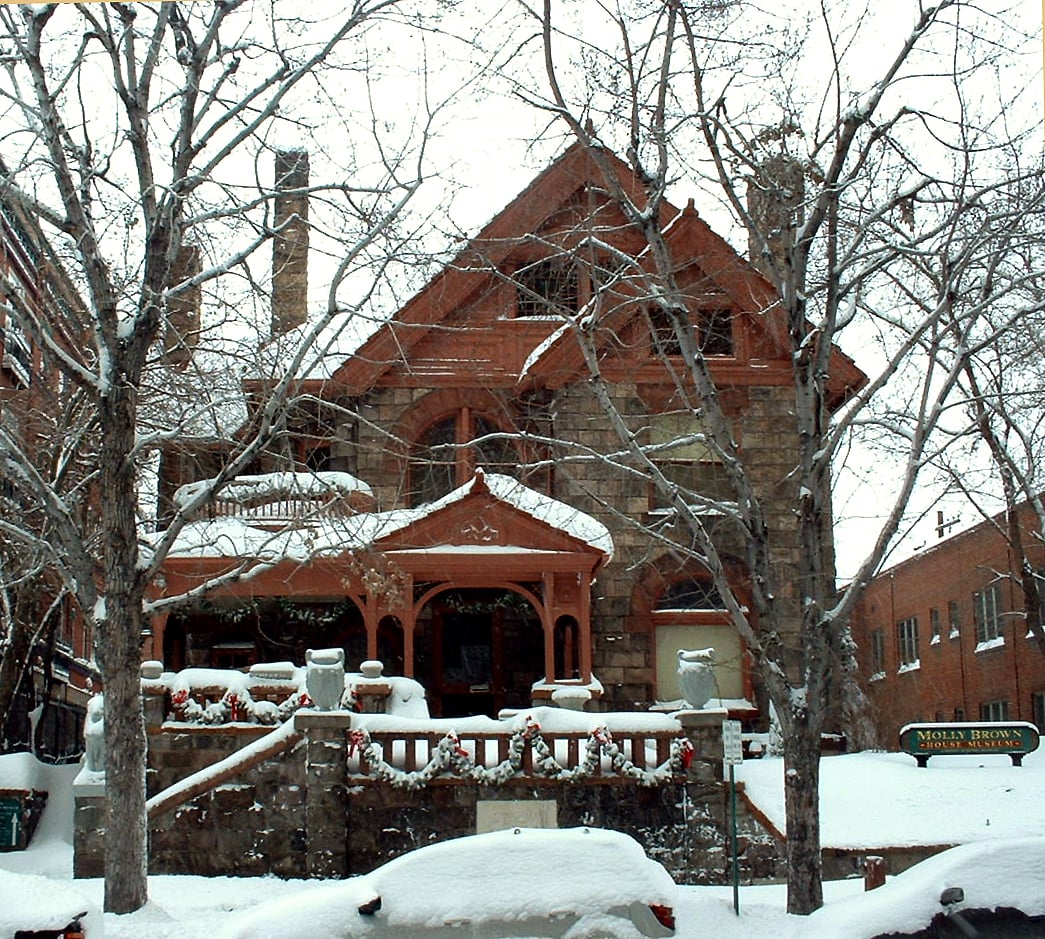
Mendocino's timber economy drew settlers from New England and beyond beginning in the 1850s, when the remote Mendocino Coast's old-growth redwood forests offered fortunes to anyone willing to build a mill. William Kelley was among the early arrivals who established themselves as merchants serving the logging trade. He built this two-story Victorian home at 45007 Albion Street in 1861 for himself, his wife Eliza, and their four children.
The family occupied the property for decades, and it remained in Kelley ownership as a rental long after the children had grown. By the early 1970s the building had deteriorated severely enough that demolition was under consideration. Beth Stebbins and Dorothy Bear, both recent transplants to the village, spearheaded the formation of Mendocino Historical Research, Inc. (MHRI) in 1973 to prevent the loss of one of the oldest standing structures in town.
In 1975, Jack in the Box founder Robert O. Peterson — whose grandfather had worked in the local lumber mills — purchased the property and donated it to MHRI with the condition that it be used solely for preservation purposes. Restoration took approximately ten years and required full structural rehabilitation along with electrical and plumbing upgrades before the building could open as a museum.
The Kelley House Museum today holds more than 10,000 photographs and artifacts from the Mendocino Coast's history, housed in archival storage added in 1993. It functions as both a community archive and a public history institution, organizing walking tours and educational programming around the Victorian village's nineteenth-century built environment.
Sources
- https://www.kelleyhousemuseum.org/
- https://mendovoice.com/2025/10/built-in-1861-mendocinos-kelley-house-museum-is-a-window-into-the-past/
ApparitionsPhantom animalUnexplained sounds
The Kelley House Museum does not claim hauntings within its own walls. What it does is serve as the organizational hub for Mendocino's documented paranormal folklore, packaging it into a walking tour that has run for years under guides who spent close to a decade interviewing residents of the village's oldest structures.
The tour's central stories involve the surrounding village rather than the museum building itself. The most visually striking account describes a phantom stallion and rider who are seen galloping along the headlands before plunging into the Pacific — a story tied to an unidentified figure from the logging era. A second recurring legend involves a shipwreck apparition, reportedly the ghost of a sailor whose vessel was lost on the rocks beneath the bluffs; witnesses have placed this figure near the cliffs west of town.
A third thread follows a sickly child ghost through several of Mendocino's Victorian homes, suggesting a spirit that does not stay fixed to a single address. The tour treats these accounts as oral history shaped by the town's geography — a headland surrounded on three sides by the Pacific, prone to fog, isolated for most of the year — rather than as entertainment fiction.
The guides' sourcing practice, which involves multi-year interviews with owners and long-term residents of historic structures, distinguishes the Haunted Mendocino program from ghost tours that rely on secondhand aggregators.
Where this legend is told