Est. 1897 · National Register of Historic Places · African American Entrepreneurial History · Oldest Continuously Operating Hotel in Southern California · California Gold Rush Era
Albert Robinson arrived in the Julian area sometime before 1880 — the year he appears in the census — and found work as a cook. He and Margaret Tull Robinson married in 1886 and began operating a restaurant and bakery on the corner of Main and B Streets, a business that fed miners and travelers during the brief but active Julian gold rush.
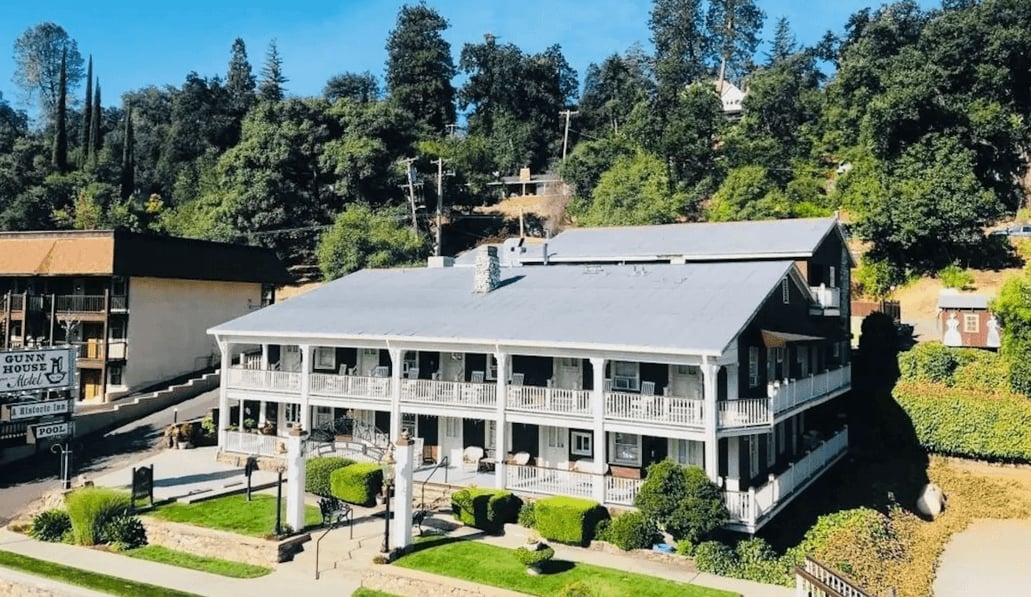
Around 1897, the couple razed the original bakery structure and built the hotel that still stands today. Albert planted the cedar and locust trees around the building himself; they remain standing. The property became one of the first businesses in San Diego County owned and operated by African Americans, and the hotel attracted a devoted clientele that included patrons for Margaret's famous midnight feasts after the monthly town hall dances.
Albert Robinson died on June 10, 1915. For decades, local lore held that he had been refused burial in the nearby Julian Pioneer Cemetery because it served only white residents, a story that circulated widely in paranormal accounts. Historian David Lewis later found the record directly contradicting this: Albert Robinson is buried in the Pioneer Cemetery, alongside three other Black pioneers, with records showing the graves were under Margaret's care. The cemetery was not segregated in the way the folklore described.
Margaret sold the hotel in 1921 for $1,500. It passed through several owners and eventually took its current name, the Julian Gold Rush Hotel. In 1978 it was added to the National Register of Historic Places. Current owners Steve and Gig Ballinger have operated the hotel for nearly 50 years, maintaining the historic character of the building.
Sources
- https://en.wikipedia.org/wiki/Julian_Gold_Rush_Hotel
- https://www.kpbs.org/news/living/2023/02/16/julian-hotel-san-diego-deep-roots-black-history
- https://www.julianhotel.com/history
- https://www.cbs8.com/article/news/history/unlikely-story-of-hotel-robinson/509-e2cc35c7-1040-4aed-938f-3f696032be5b
Phantom scent (pipe smoke)Furniture movingUnexplained object displacementApparitionsFireball / light anomaly
The reports associated with Room 10 have been consistent for decades. Staff walk in to find the bed disheveled after it was made; furniture has been moved back to the configuration Albert Robinson kept it in during his lifetime. Small objects go missing. The smell of pipe smoke appears in a building that has been non-smoking for years — Albert Robinson was a pipe smoker.
The attribution of these events to Albert Robinson himself is folk tradition rather than documented fact. What is documented is that the reports are longstanding, come from multiple unconnected sources, and center on one specific room.
A second account describes a more aggressive presence: windows shattered without apparent cause, and witnesses described seeing a figure that appeared as a great ball of fire or shooting lights moving through the building. The account — which appears in multiple sources from the 1990s and 2000s — holds that the management at the time brought in someone to perform an exorcism, after which the phenomena associated with this second entity ceased. The hotel's current reputation focuses on the quieter Room 10 activity.
Historical accuracy matters here. The burial-refusal story that often accompanies paranormal accounts of this hotel — that Albert Robinson was denied burial in the local cemetery because of his race — is not supported by the historical record. Historian David Lewis found Robinson's grave in the Julian Pioneer Cemetery. The ghost story built around that injustice is a myth, though the genuine history of the Robinsons building a landmark business while navigating the racial realities of 1890s California needs no embellishment.
Notable Entities
Albert Robinson (Room 10)
Where this legend is told