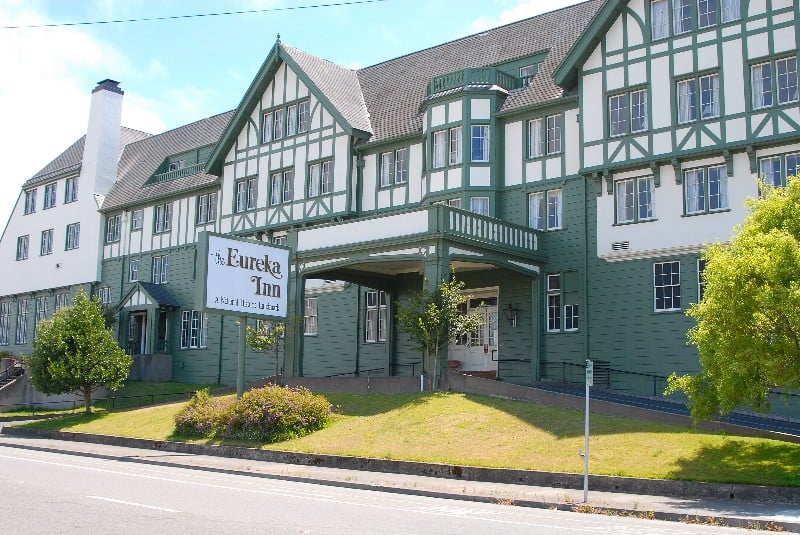
Est. 1899 · Designed in combined Queen Anne and Eastlake styles with 24-inch double-wall redwood construction · Housed Ferndale's public hospital 1921-1926, one of few rural Humboldt County medical facilities · Now an AAA Four Diamond-rated historic inn, one of the most photographed on the West Coast
Dr. Hogan J. Ring—born Haagan Fjorkenstad in Norway in 1851—immigrated to the United States as a teenager and established a medical practice in Ferndale, Humboldt County. In 1899 he commissioned carpenters John and Robert Kerri to build a family residence and office on the corner of Brown and Berding Streets. The resulting structure combined Queen Anne and Eastlake elements with double-wall redwood construction measuring 24 inches thick.
Ferndale's economy in that era ran on dairy farming; the ornate Victorian homes residents built with dairy profits earned the town the nickname 'Butterfat Palaces.' The Ring mansion was one of the grandest. The building housed the doctor's medical practice as well as the Ring family's residence for over two decades.
In 1920, Ring persuaded town residents to fund the conversion of a 50-foot addition into a full public hospital. The facility opened March 25, 1921, with operating rooms, maternity wards, and an X-ray room—one of few such facilities in rural Humboldt County at the time. The hospital operated for approximately five years before closing around 1926. Financial difficulties followed; the property was foreclosed in 1928 and sold at auction to Dr. O.B. Barron.
Subsequent uses included an American Legion post, a rest home, private apartments, and eventually a bed-and-breakfast, which has operated since the 1980s. Today the inn holds an AAA Four Diamond rating and is frequently cited as one of the most photographed inns west of the Mississippi. The 32-room structure's exterior has remained largely intact from its 1899 configuration.
Sources
- https://en.wikipedia.org/wiki/Gingerbread_Mansion
- https://thegingerbreadmansion.com/history/
- https://www.northcoastjournal.com/102402/cover1024.html
Two child apparitions reported by guestsGeneral atmosphere of unease noted by some visitors
The most persistent paranormal claim at the Gingerbread Mansion concerns two child figures said to appear in the building. The Wikipedia entry on the mansion notes these as the main haunting reports. Local accounts connect the children to the 1921-1926 hospital period, during which the facility treated patients including children in its maternity and surgical wards.
No names for the ghost children appear in any published source consulted, and no specific death records from the hospital's five-year operation have been located. The North Coast Journal has reported on the building's haunted reputation in the context of Ferndale's hospital history, though firsthand paranormal accounts from guests or staff are thin in the public record.
The building's extended history—physician's home, hospital, Legion hall, rest home, apartments—gives it a layered past that fuels local speculation. TripAdvisor reviews occasionally mention an unsettling or 'off' atmosphere, though these are subjective impressions rather than documented encounters.