Est. 1880 · California's Second-Oldest Prison — 1880 · 93 Executions by Hanging 1895–1937 · 1937 Murder of Warden Clarence Larkin and Officer Harry Martin · Johnny Cash 1968 Concert — Live Album Recording · Inmate-Quarried Granite Construction
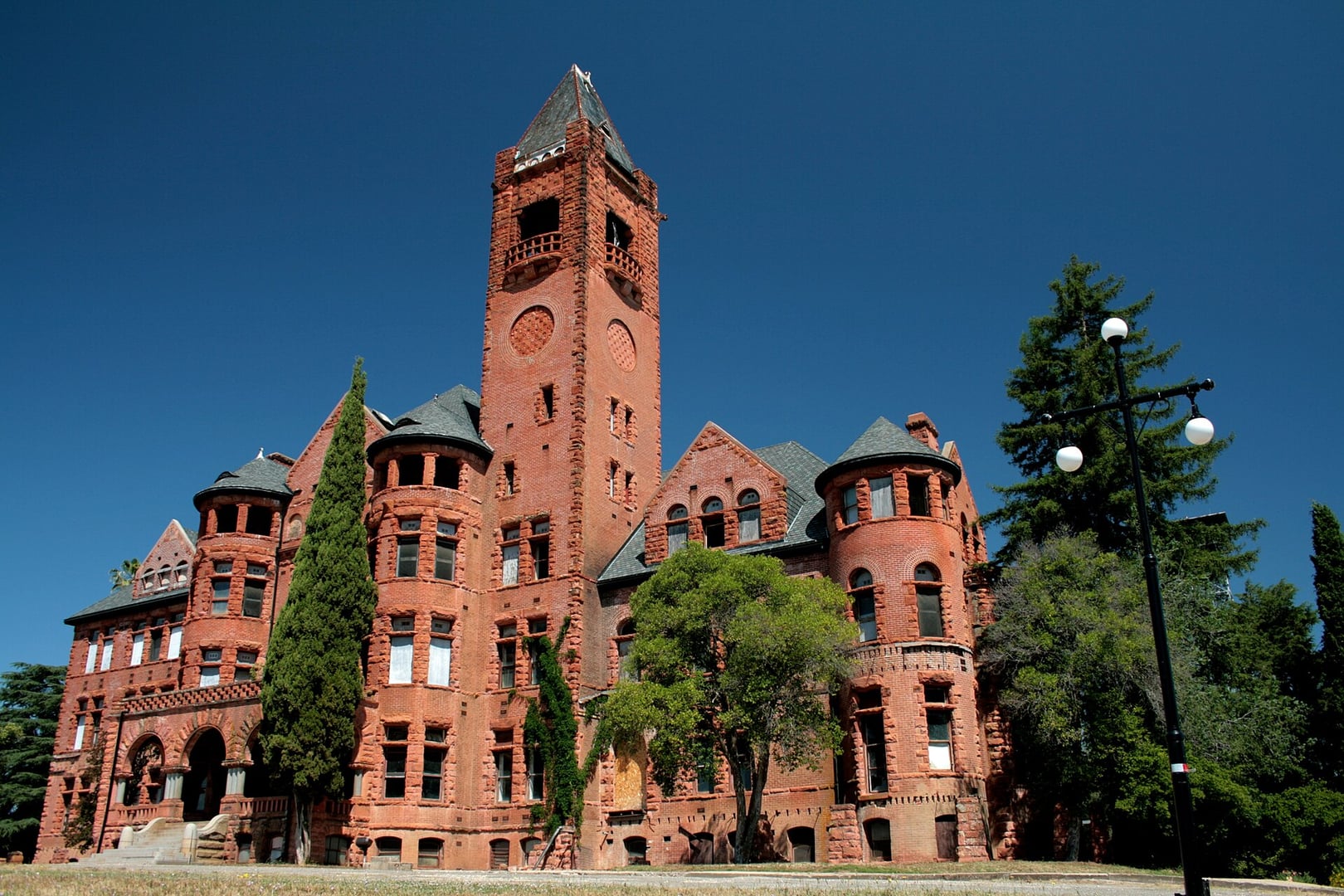
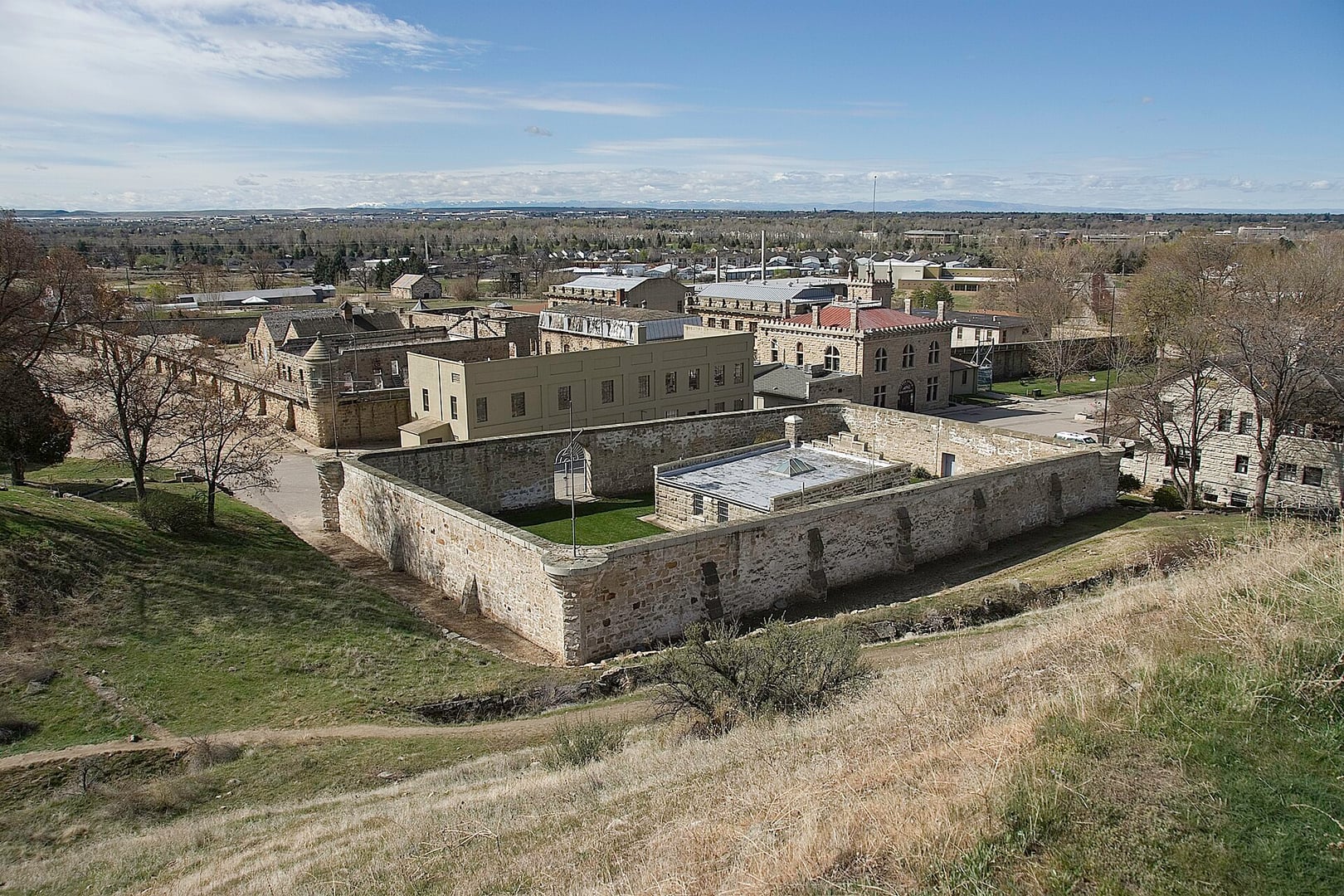
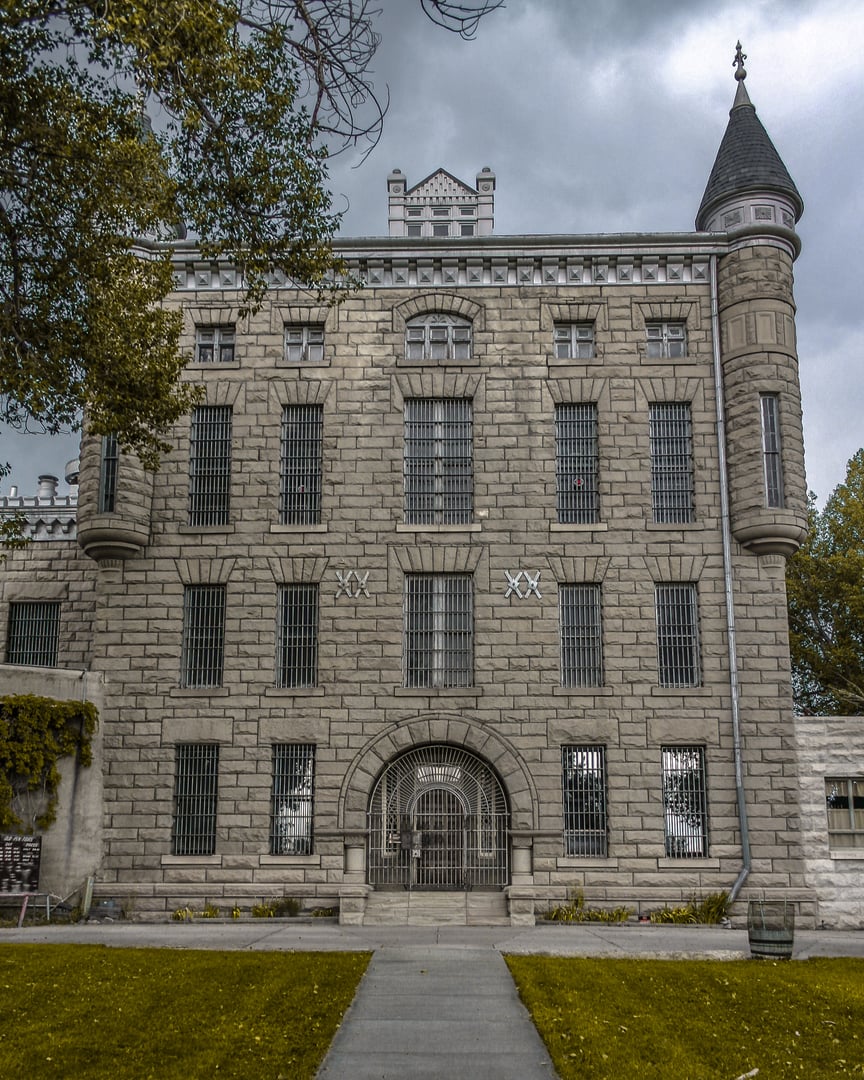
Folsom State Prison was built in the granite hills of the Sierra Nevada foothills, opening in 1880 as California's second penitentiary, constructed in significant part by inmate labor using granite quarried on the grounds. The facility operated on the industrial prison model common to American corrections in the late 19th century: inmates quarried stone, manufactured goods, and performed agricultural labor under a system designed to generate economic return.
Between 1895 and 1937, 93 prisoners were executed at Folsom by hanging. The scaffold was located in a dedicated space within the prison, and executions were witnessed by officials and a small number of permitted observers. In 1937, the state transferred all California executions to San Quentin.
Before that transfer, on September 17, 1937, a group of seven inmates attacked Warden Clarence Larkin during what was scheduled as a parole meeting. Larkin and Officer Harry Martin were stabbed to death. Subsequent investigation and trial resulted in multiple convictions; some of the participants in the attack were eventually executed at San Quentin. The murders of Larkin and Martin remain the most violent episode in Folsom's documented history.
Johnny Cash performed a concert at Folsom on January 13, 1968, before an audience of prisoners in the dining hall. The live recording was released in May 1968 as 'Johnny Cash at Folsom Prison.' The album reached number one on the Billboard country chart and crossed over to mainstream popularity, helping rehabilitate Cash's commercial standing and cementing Folsom's identity in American popular culture.
The Big House Museum, in the former warden's residence just outside the active prison gates, was established by a foundation of retired correctional officers to preserve Folsom's history. The museum displays weapons confiscated from inmates, execution photographs, historical artifacts, and documentation of the Cash concert.
Sources
- https://en.wikipedia.org/wiki/Folsom_State_Prison
- https://bighouseprisonmuseum.org/
- https://www.cbsnews.com/sacramento/news/folsom-history-museum-partners-with-paranormal-investigators-to-host-ghost-tours/
Cold spotsUnexplained soundsSense of presence
Folsom's paranormal reputation draws on a long, documented history of institutional violence — 93 executions over four decades, the 1937 murders of the warden and a corrections officer, and more than a century of incarceration in a facility isolated in the granite foothills. The Big House Museum and its partners have organized ghost-tour events that bring investigators onto the museum grounds for after-dark sessions.
CBS Sacramento reported on the museum's paranormal programming in detail, noting that tickets were priced at $30 per person with proceeds supporting the history museum — an arrangement that treats the ghost-tour interest as a funding mechanism for legitimate historic preservation rather than a standalone commercial attraction.
Investigator accounts from sessions at the museum describe cold spots near exhibits related to the execution program, unexplained sounds in the former warden's residence, and a general sense of unease that participants attribute to the building's proximity to the active prison and its connection to the 1937 murders. The reported phenomena are consistent with reports from other former execution sites where the documented history is unusually well-preserved and displayed.
The museum's position — outside the active prison's secure perimeter, in the former warden's residence — places investigators in a building directly connected to the 1937 murders while remaining accessible without corrections department clearance.
Notable Entities
Clarence LarkinHarry Martin
Where this legend is told