Est. 1902 · UC Berkeley History · Henry Morse Stephens · 1906 San Francisco Earthquake Research · Craftsman Architecture
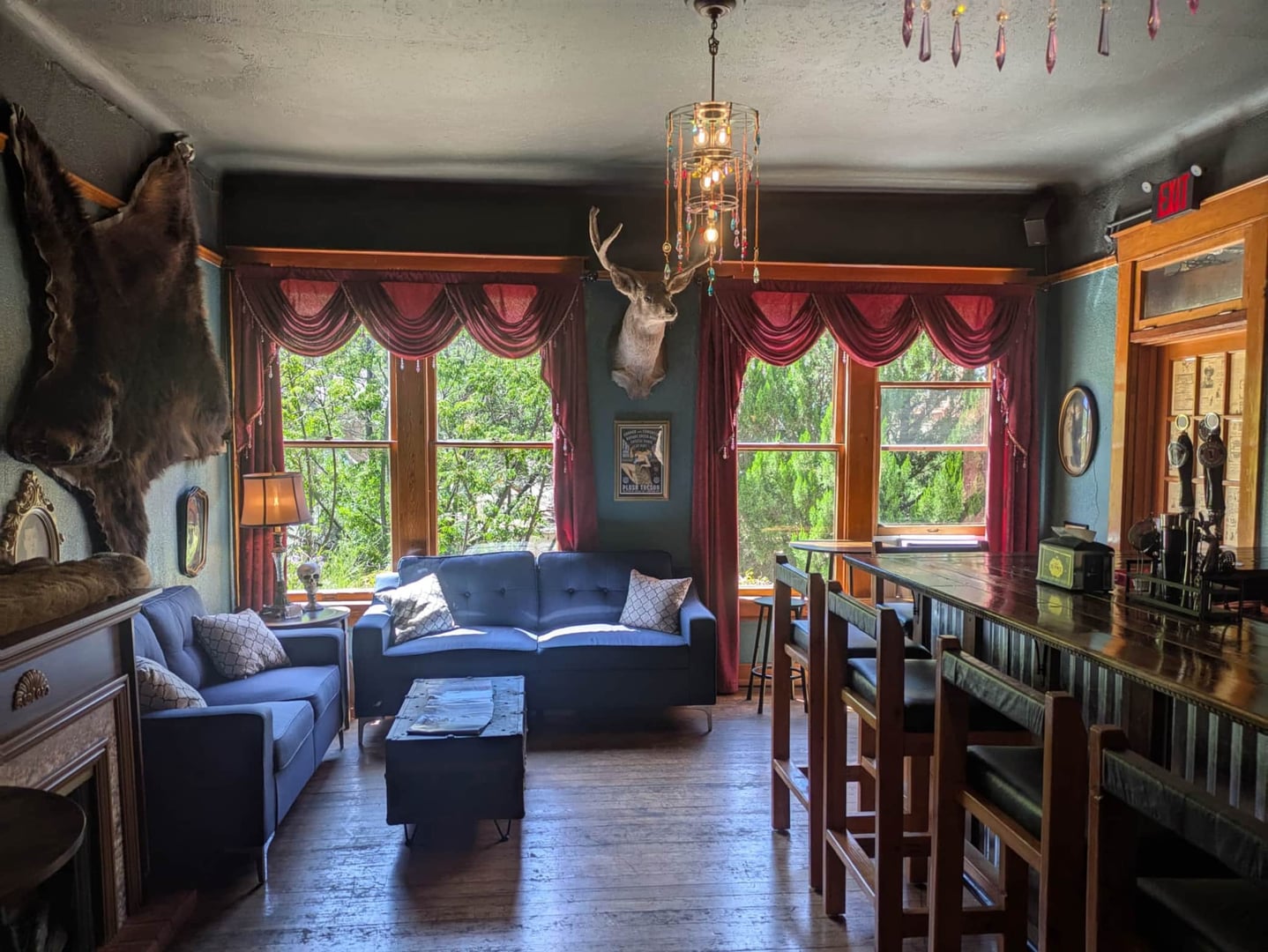
The Faculty Club at the University of California, Berkeley occupies a prominent position on the central campus, serving as a social and residential facility for faculty, visiting scholars, and campus guests. The building's design draws on the Craftsman tradition appropriate to the Bay Area's early 20th-century architectural culture.
Henry Morse Stephens joined the Berkeley faculty in 1902 as chair of the Department of History, bringing a distinguished scholarly reputation that had been established at Cambridge and Cornell. He took up residence in the west wing of the Faculty Club, occupying Room 219 as both workplace and home. Stephens students recalled hearing him recite lines of poetry from his window in the evenings.
At the time of his death on April 16, 1919, Stephens was midway through two historical projects. The more significant involved the 1906 San Francisco earthquake — he had spent years gathering personal accounts from survivors, accumulating more than 800 testimonies along with photographs and newspaper clippings. Neither project was completed. The Gazette ran an obituary noting both the loss and the unfinished work.
A History of the Faculty Club by James Gilbert Paltridge documented Stephens's long residence and the folklore that subsequently developed around Room 219. In 1974, a Berkeley Daily Gazette article reported on a visiting Japanese scholar, Noriyuki Tokuda, who woke from a nap in Room 219 to find a well-dressed man seated in the chair across from him. The figure stood, crossed the room, and disappeared. Shown a photograph of Stephens afterward, Tokuda confirmed a strong resemblance. A framed copy of the Gazette article was placed in the Faculty Club's offices, where it remains.
Sources
- https://www.dailycal.org/2014/03/10/faculty-club-uc-berkeleys-haunted-landmark
- https://en.wikipedia.org/wiki/Berkeley_Faculty_Club
- https://news.berkeley.edu/2016/07/25/summer-myth-busters-tackle-campus-tall-tales/
ApparitionsLights flickeringObject movementResidual haunting
The ghost of Henry Morse Stephens is among the better-documented campus apparition accounts in California, distinguished by a specific named witness, a specific room, a specific date, and a newspaper article published shortly after the event that now hangs framed in the Faculty Club's offices.
Noriyuki Tokuda, a visiting Japanese scholar, was staying in Room 219 in 1974. He woke from an afternoon nap to find a man sitting in the chair across the room — well-dressed, still, and absolutely present. Then the figure rose, moved to one side of the room, and was gone. Tokuda reported the experience and was later shown photographs of the Faculty Club's former residents. He identified Stephens's image as closely resembling what he had seen.
The 1919 death of Stephens has the quality that most residual-haunting accounts attribute to strong apparitions: sudden, with significant unfinished work. More than 800 earthquake survivor testimonies were in process. Two book projects were incomplete. The sense of interrupted purpose is the kind of narrative that communities attach to persistent presences.
In 2009 a psychic visited the Faculty Club and reportedly communicated with the spirit of the 1920 football team captain, who had died of pneumonia. This claim exists at a different evidentiary level than the Tokuda account, but it reflects the Club's ongoing reputation.
Staff members have continued, into recent years, to report lights flickering and objects being rearranged in Room 219. The room remains available for booking.
Notable Entities
Henry Morse Stephens