Est. 1876 · Only Ghost Town in a National Wildlife Refuge · Prohibition-Era Speakeasy Site · San Francisco Bay Railroad History · Mercury Contamination Legacy
Drawbridge began as a railroad convenience. The South Pacific Coast Railroad built a drawbridge and a small depot on Station Island in southern San Francisco Bay in 1876 to carry trains between Alameda and Santa Cruz. Workers and then sportsmen discovered that the island's position in the bay made it an exceptional location for duck hunting, and by the 1880s a small community of weekend and seasonal hunters had built cabins around the depot.
By the 1920s, Drawbridge had grown to roughly 90 structures and a seasonal population of several hundred. During Prohibition, the island's relative inaccessibility made it an appealing location for speakeasies and at least one brothel, which operated with minimal interference from Santa Clara County law enforcement. The bay itself provided natural insulation from raids.
The town's decline was accelerated by an unusual act of journalistic carelessness. The San Jose Mercury News published a series of articles in the 1950s erroneously describing Drawbridge as already abandoned. The coverage attracted curiosity seekers and then vandals who stripped and damaged buildings, turning the premature obituary into a self-fulfilling one. Mercury contamination in the south bay—partly from the New Almaden quicksilver mines upstream—was already affecting the fish and waterfowl populations that had sustained the community.
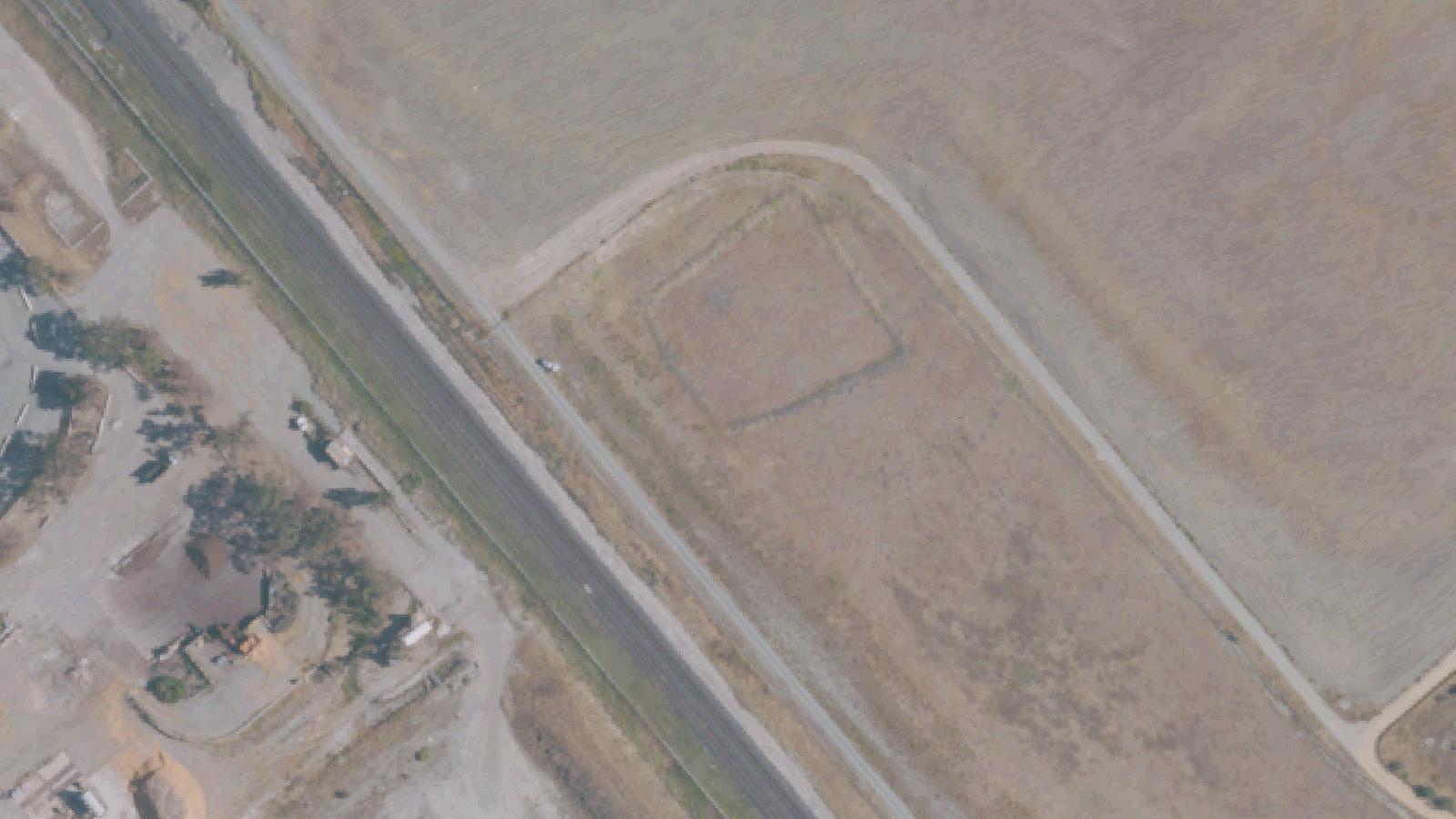
The last permanent resident departed in 1979. The island was incorporated into the Don Edwards San Francisco Bay National Wildlife Refuge, which closed it to public access entirely to protect shorebird nesting habitat. The collapsing wooden structures have been left to decay in the bay environment. The only way to see Drawbridge today is from the window of a passing train on the elevated causeway that runs adjacent to the island.
Sources
- https://en.wikipedia.org/wiki/Drawbridge,_California
- https://milpitashistoricalsociety.org/places/drawbridge-our-local-ghost-town/
- https://www.atlasobscura.com/places/drawbridge
Atmospheric unease (documented by special-permit visitors)Involuntary inaccessibility
Drawbridge occupies an unusual position in California's dark-tourism landscape: it is a place that is physically present—visible, documented, structurally intact enough to photograph from a train—but that almost no living person has visited since the late 1970s. The National Wildlife Refuge's closure has made it a kind of involuntary ghost in plain sight.
The site has no documented paranormal tradition—no EVP sessions, no named apparitions, no haunted-house framing—but it generates accounts of unease in a different register. Writers and photographers who have legally accessed it by special permit describe the disorientation of walking through a Prohibition-era saloon district that the bay is slowly reclaiming, where the mercury-contaminated mud preserves wood that should have rotted decades ago.
The Mercury News episode is the closest the site has to a specific haunting narrative: a newspaper story that was factually wrong, which produced real vandalism, which killed a community that wasn't yet dead. The island declined partly because someone wrote that it already had. That feedback loop—representation collapsing reality—gives the site a character that purely natural or crime-based dark tourism sites lack.
Today Drawbridge appears in the windows of Capitol Corridor passengers for about a minute, unmarked by any signage, disappearing behind the train as quickly as it arrived. Most passengers don't know what they're looking at.