Donner Party disaster site — 1846–47 · Pioneer Monument — marks 22-foot snow depth · Emigrant Trail Museum — California State Parks · Transcontinental Railroad — Donner Pass · Washoe people ancestral territory
The party of emigrants that would bear the Donner name numbered 88 people when they reached the Sierra Nevada in the fall of 1846. They had taken the Hastings Cutoff on the advice of a promotional pamphlet, a shortcut that turned out to be slower than the established trail and cost them critical weeks. Snow began falling in late October before the group could cross the pass, and they were forced to make winter camps near a lake at approximately 6,000 feet elevation.
Over the following five months — from approximately November 1846 through April 1847 — roughly 41 members of the party died of starvation, cold, and illness. Snow reached 22 feet in depth at the camp, as marked by the base of the Pioneer Monument erected at the park. Survivors kept themselves alive in part by consuming the flesh of those who had already died, a survival choice that became the defining element of the Donner Party's historical legacy.
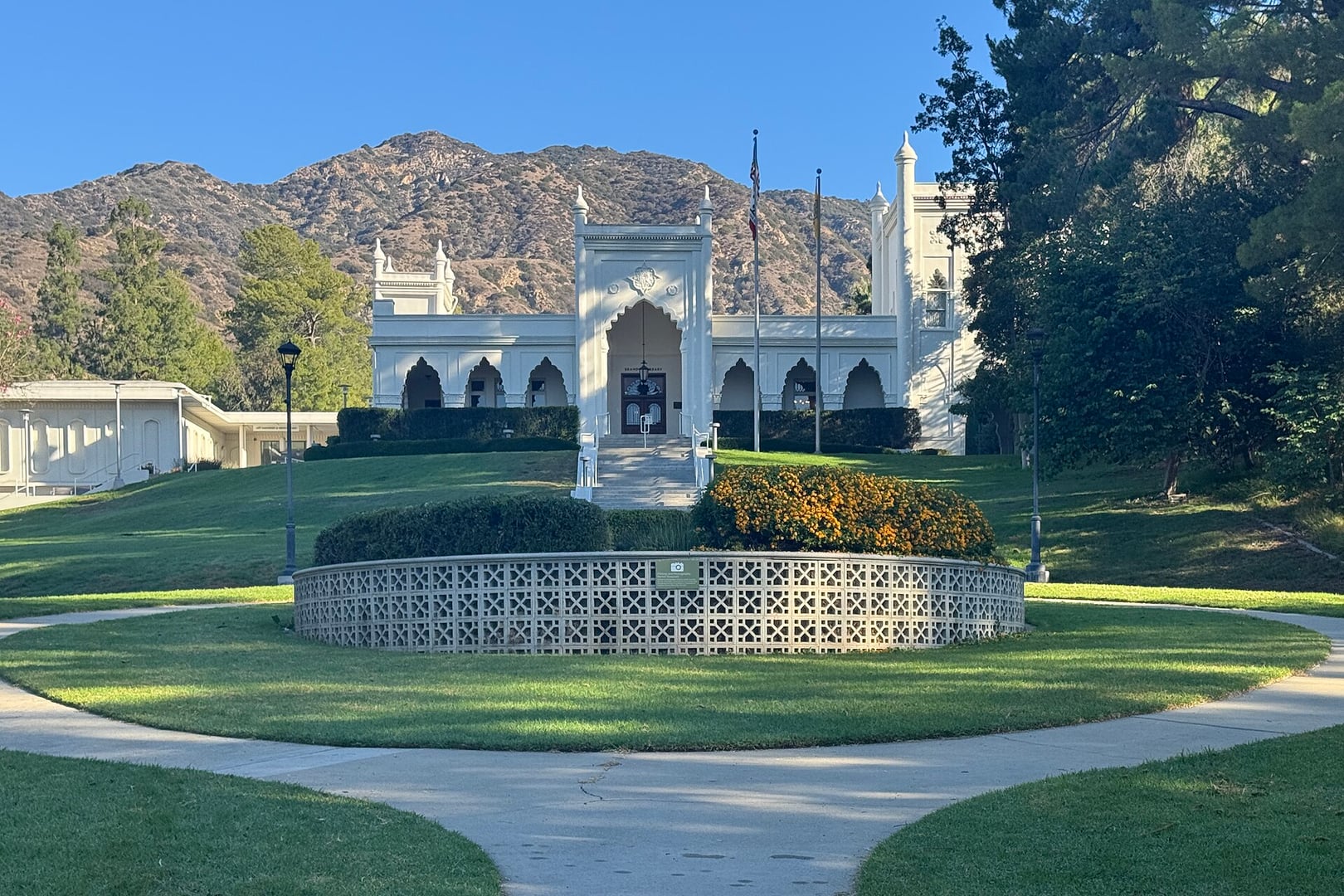
California State Parks acquired the site and constructed the Emigrant Trail Museum to interpret the disaster alongside the broader history of the Sierra Nevada's use as a travel corridor. The museum covers the Donner Party, the indigenous Washoe people, the Chinese laborers who built the transcontinental railroad through Donner Pass in the 1860s, and early automobile travel over the route.
The park encompasses Donner Lake, more than 8 miles of trails, a beach, and 154 campground sites that open in late spring. The site is approximately 100 miles east of Sacramento via Interstate 80 and 2 miles west of downtown Truckee.
Sources
- https://www.parks.ca.gov/?page_id=503
- https://www.theunion.com/news/ghosts-of-the-donner-party/article_a512204c-ef91-553e-b10c-133ec63ae090.html
- https://www.wonderfulmuseums.com/museum/donner-state-park-museum/
ApparitionsAtmospheric sensationsSense of presence
Tamsen Donner was one of the last to die at the Sierra Nevada camp in the spring of 1847. She had received an offer to leave with a rescue party but refused to abandon her husband George Donner, who had wounded his hand and was too ill to travel. She is documented as having survived him by several days. The circumstances of her death — whether she died of starvation, exposure, or otherwise — remain debated in the historical literature.
The apparition attributed to Tamsen Donner is distinct in witness accounts for its visual character: described as yellowish and luminous, hovering above the ground rather than standing on it. A 1988 account involves a woman named Elizabeth who was driving to the park and experienced unexplained sensations — odors resembling a pioneer encampment and spontaneous weeping — before arriving at the location where the Donner tents had stood. At that site she reported an overpowering sense of being watched and not being alone.
Paranormal researcher Dr. Michael Newton conducted a past-life regression in the early 1990s in which a subject with no waking knowledge of the Donner Party described being eight years old, cold, and in the mountains, and mentioned a Frenchman who carried her from camp — details that matched documented Donner Party accounts without the subject being able to identify the source.
A separate account involves a disoriented skier near the final Donner Party campsite who reported being guided to a camp by a female skier; when he returned the next day the camp and all occupants had vanished.
The park does not promote any ghost-themed programming. The museum addresses the Donner Party disaster factually and without paranormal content. The haunting accounts accumulate from visitor reports rather than institutional promotion.
Notable Entities
Tamsen Donner
Where this legend is told