Est. 1962 · Forced eviction of ~1,800 Mexican-American families from Chavez Ravine · Aurora Arechiga removal televised May 9, 1959 (Black Friday) · Demolition of Bishop community church, school, and cemetery · Oldest MLB stadium west of St. Louis
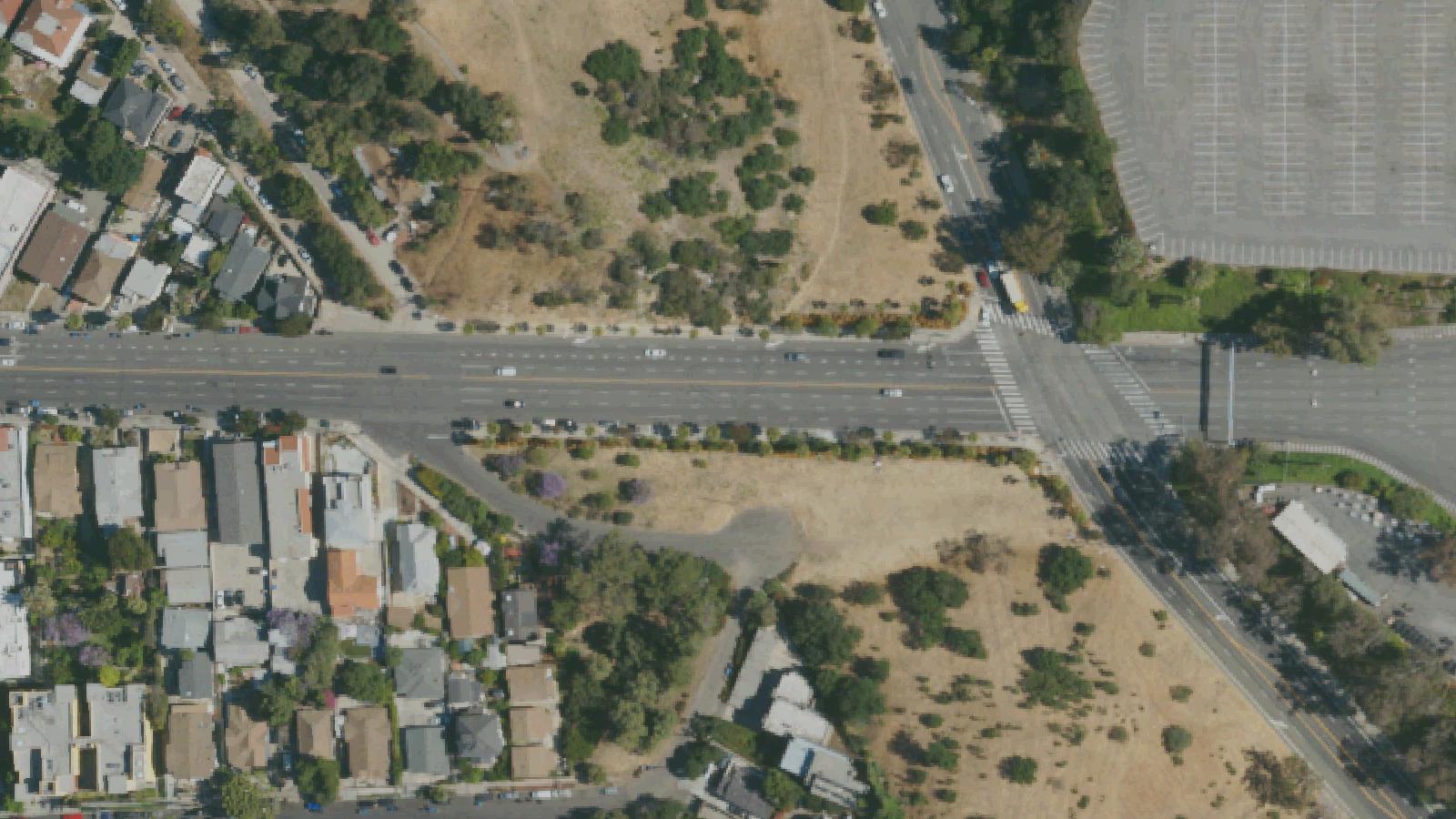
The neighborhoods of Chavez Ravine — La Loma, Palo Verde, and Bishop — had been home to Mexican-American families since the late 19th century, many of them renters or landowners who had built communities on the steep hillsides above downtown Los Angeles. By the 1940s, the three neighborhoods housed approximately 1,800 families and contained a church (Our Lady Queen of Angels in Bishop), an elementary school, and a functioning local economy of small businesses.
In 1949, the City of Los Angeles chose Chavez Ravine as the site for a large public housing project under the Federal Housing Act. The city began acquiring properties and relocating residents, promising displaced families priority in the new housing development. By the early 1950s, most residents had left — some willingly, some under sustained pressure — and their homes had been demolished. The public housing project was then cancelled in 1952 following a campaign by local politicians who characterized it as a socialist program.
The land sat largely cleared through the mid-1950s. In 1958, the City of Los Angeles offered the site to Walter O'Malley as an inducement to relocate the Brooklyn Dodgers from New York. The agreement transferred 300 acres to the Dodgers organization in exchange for Wrigley Field and a commitment to build a stadium at private expense. The arrangement was approved by Los Angeles voters in a referendum in June 1958.
A small number of families had refused to sell or leave during the initial acquisition phase and had returned to the ravine during the years the public housing project sat suspended. On May 9, 1959, sheriff's deputies arrived to enforce eviction orders against the remaining holdouts. The removal of Aurora Arechiga, 66, and her family from their home on Bishop Road was filmed by local television cameras and broadcast the same day. Images of Arechiga being carried from her house by four deputies circulated nationally. The date became known in some historical accounts as Black Friday.
Dodger Stadium opened April 10, 1962. The church and school from Bishop and the cemetery — which contained the remains of residents who had died in the community over generations — were demolished during site preparation. The stadium has operated continuously since opening and is the oldest baseball park in Major League Baseball west of St. Louis.
Sources
- https://sabr.org/journal/article/dodger-stadium-and-the-battle-of-chavez-ravine/
- https://laist.com/news/la-history/dodger-stadium-chavez-ravine-battle
- https://en.wikipedia.org/wiki/Chavez_Ravine,_Los_Angeles
ApparitionsPhantom sounds
The paranormal framing of Dodger Stadium is more recent than many comparable Los Angeles dark tourism sites and grows directly from the documented history of the displacement. Ghost City Tours describes apparitions of residents in the parking lots — figures in mid-20th-century clothing seen in the areas that were once residential streets — and accounts of unexplained sounds in the outfield stands late at night.
The cemetery from the Bishop community, which contained the graves of former residents, was demolished during site preparation in the late 1950s. The specific disposition of those remains is not clearly documented in accessible historical records, and this gap — the cemetery demolished and its residents not fully accounted for — is where the paranormal narrative has taken hold.
These accounts cannot be traced to archival sources independent of the dark tourism industry. The basis for listing this site is the documented history itself: the large-scale forced displacement of an established working-class Mexican-American community, the destruction of a church and school serving that community, the internationally broadcast eviction of Aurora Arechiga, and the demolition of a cemetery without full public accounting of what happened to the remains. The history is documented, specific, and significant regardless of whether the paranormal claims hold.
Where this legend is told