Est. 1873 · Oldest Art Museum West of the Mississippi · Central Pacific Railroad Era · Victorian Mansion · California Cultural Heritage
Judge Edwin B. Crocker made his fortune as the chief legal counsel for the Central Pacific Railroad, the western component of the transcontinental railroad completed in 1869. His brother Charles Crocker was one of the Central Pacific's principal investors. In 1868, Edwin purchased the corner of Third and O Streets in Sacramento, moving the Crocker family into the existing mansion.
Crocker completed the adjacent gallery building in 1873, incorporating a bowling alley, skating rink, and billiard room on the ground floor and displaying his collection of European paintings, drawings, and decorative arts above. The collection included more than 700 paintings and some 3,000 drawings accumulated during European buying trips. In 1874, the Crockers' eldest daughter Kate died in the house shortly after her marriage. Edwin Crocker died the following year, in 1875.
Margaret Eleanor Crocker, who had strong interests in spiritualism and social philanthropy, took over management of the estate. In May 1885, she presented the gallery building and its entire contents to the City of Sacramento, establishing what would become the oldest art museum west of the Mississippi. Margaret Crocker died in 1901.
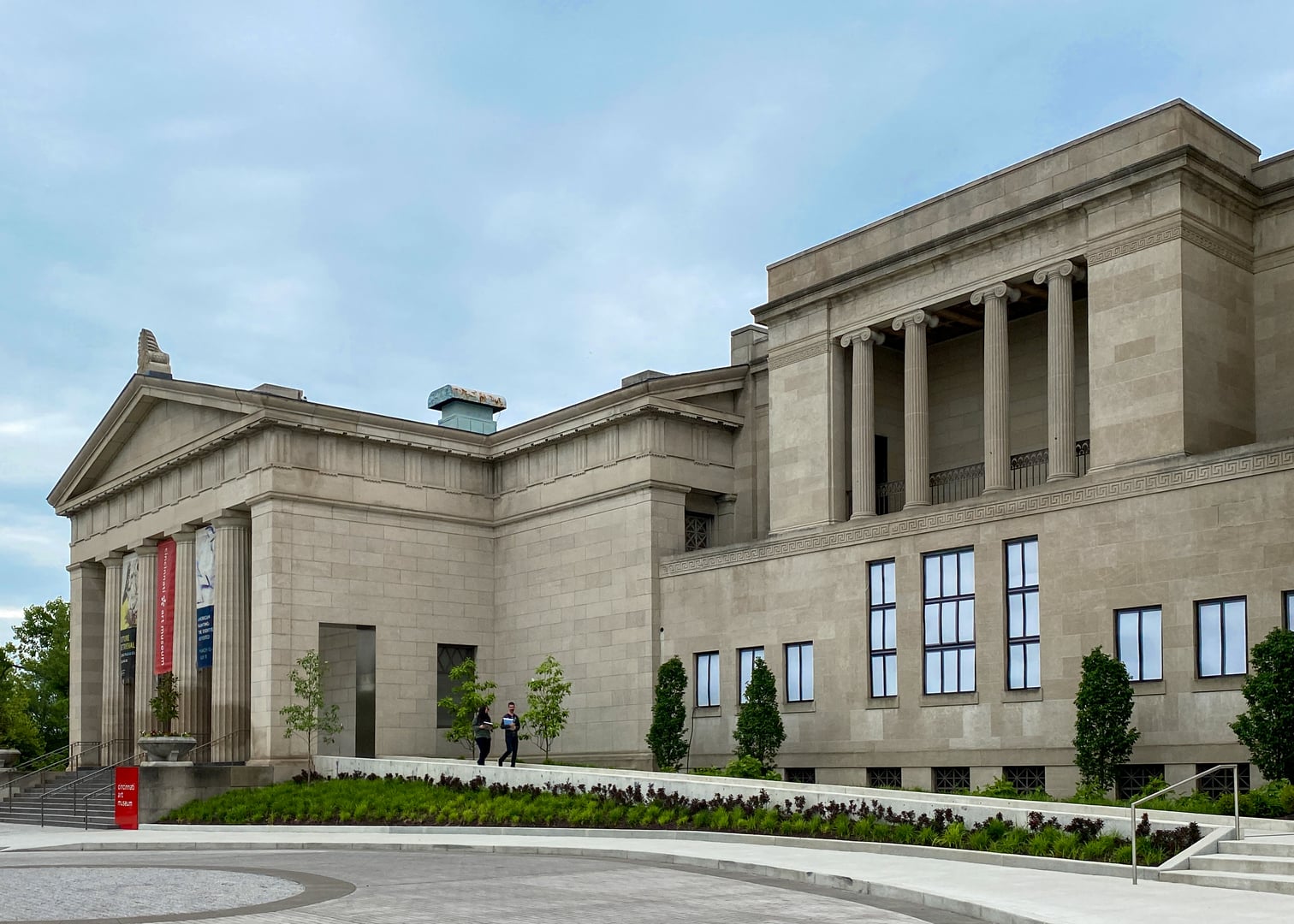
The museum expanded substantially throughout the 20th century. The Teal Family Pavilion, a major contemporary addition, opened in 2010, dramatically increasing exhibition and programming space while maintaining the original Victorian gallery buildings as the core of the institution. The museum holds more than 14,500 works in its permanent collection.
Sources
- https://en.wikipedia.org/wiki/Crocker_Art_Museum
- https://www.crockerart.org/about/history
- https://www.haunted-places.com/crocker.htm
ApparitionsPhantom soundsEVP
The connection between Margaret Eleanor Crocker and the reported presence in the museum's East Wing is drawn from a paranormal investigation account documented online, in which investigators received names during sessions that corresponded to Margaret Crocker's first name ('Maggie') and middle name ('Eleanor'). The investigators noted hesitation in sharing the name 'Maggie' because they recognized the direct connection to Margaret Crocker.
The presence detected was described as a woman with strong opinions about how the museum should be run, where specific paintings should be displayed, and the importance of maintaining established routines. This characterization aligns with what historical accounts describe of Margaret Crocker's personality — she had specific views on the management of the collection and its public presentation.
One documented incident: in 1998, a painting that had hung in the East Wing was moved to make room for a new acquisition. Investigators subsequently reported that the female presence reacted with particular intensity to the change, expressing displeasure at the rearrangement. The account is consistent with Margaret Crocker's documented attachment to the original collection.
Staff accounts include sightings of a female figure moving through gallery hallways — described as appearing briefly and then vanishing before anyone can approach. These reports are informal and not part of official museum documentation, which does not address the building's paranormal reputation.
Notable Entities
Margaret Crocker