Museum Visit
Local history museum in a 1911 Beaux-Arts bank
When open, explore Humboldt County history including the Nealis Hall Native American collection, all housed inside Albert Pissis's 1911 former Bank of Eureka building.
- Duration:
- 1 hr
HauntBound archive · catalog record
Reported phenomena, as catalogued
1911 Classical Revival former bank in Old Town Eureka — now Humboldt County's local history museum — with local lore of female-employee ghosts tied to the original bank ownership.
240 E Street, Eureka, CA 95501
Research updated May 2026
Age
All Ages
Cost
Free
Donation-supported small museum. Per recent Yelp listings the museum is currently marked 'temporarily closed' — verify before visit.
Access
Wheelchair OK
Old Town sidewalks; ground-floor museum entry.
Equipment
Photos OK
Est. 1911 · Designed by San Francisco architect Albert Pissis · Originally home to the Bank of Eureka and the Savings Bank of Humboldt · Houses the Nealis Hall Native American collection · Listed on the National Register of Historic Places
The Bank of Eureka commissioned San Francisco architect Albert Pissis to design a new building at 3rd and E streets in Old Town Eureka in 1911. Pissis, known for Beaux-Arts and Classical Revival commercial work across Northern California, produced a two-story structure clad in glazed architectural terra-cotta with a columned facade — an unusually monumental piece of bank architecture for a city the size of Eureka in that era.
The building served as a working bank for roughly half a century. In 1960 Eureka High School history teacher Cecile Clarke purchased the building, using proceeds from the sale of her family's sheep ranch, to house her growing collection of Humboldt County artifacts. The Clarke Historical Museum opened to the public soon after and has occupied the bank building ever since.
The museum's collections include local pioneer-era objects, photographs, and the Nealis Hall Native American collection, one of the most significant regional collections of Northwest California indigenous material culture. The building is listed on the National Register of Historic Places and remains one of the architectural anchors of Old Town Eureka.
As of early 2026 the museum's Yelp listing is marked 'temporarily closed'; the museum's official website continues to publish exhibit and event programming, and visitors should confirm operating status directly before planning a visit.
Sources
Ghost lore at the Clarke Historical Museum is now documented across multiple independent sources. The Haunted Humboldt blog (2015) is the earliest in our review and reports that the building is said to be haunted by the ghosts of female bank employees who, per the blog, were sexually harassed by the original bank owner. This account should be treated as folkloric — the specific harassment claim is not independently verified.
AAA Via's 'Haunted Places to Visit in California' feature, an independent tourism-press source, states plainly that 'Employees of the Clarke Historical Museum say they have witnessed several ghosts around the museum property.' This is a second independent attribution, drawing on the museum's own staff rather than reproducing the Haunted Humboldt account, and confirms the building's haunted reputation as institutionally acknowledged.
The Clarke Historical Museum itself partners with Haunted History Tours — described on the museum's website as 'Eureka's only authorized Ghost Tour,' led by Eric Vollmers — for the annual 'Tea & Spirits' event, which combines a museum gathering with a guided walking tour of Old Town's haunted history. The museum's willingness to host paranormal programming on its own premises, alongside staff-reported sightings cited by AAA Via, supports the building's standing as a haunted-tourism destination in Eureka.
Some aggregator sites add references to 'upper-floor cell activity,' but those accounts appear to conflate the Clarke building with the separate Humboldt County jail — a distinct local property — and we therefore do not include those phenomena here.
Notable Entities
Media Appearances
When open, explore Humboldt County history including the Nealis Hall Native American collection, all housed inside Albert Pissis's 1911 former Bank of Eureka building.
Some links on this page may earn HauntBound a small commission when you book, at no extra cost to you. Our editorial picks are independent. Full disclosure
Every HauntBound history is researched from documented sources. We clearly separate verified historical fact from paranormal folklore.
Free Guide
10 verified stops, rated for families, mapped in order. Free.
One email to confirm, then the guide link. Unsubscribe anytime.
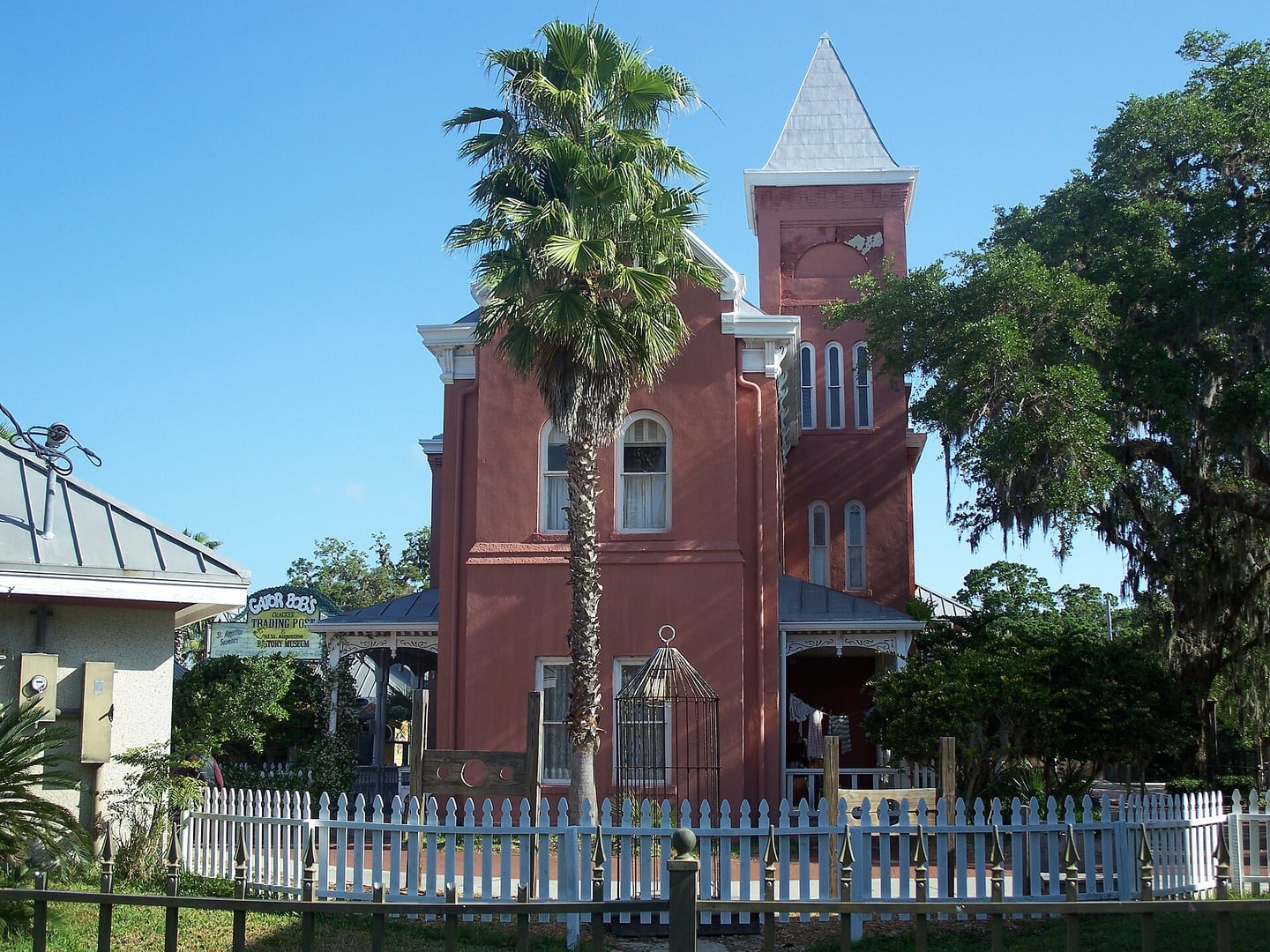
St. Augustine, FL
The Old St. Johns County Jail at 167 San Marco Avenue in St. Augustine, Florida was commissioned by railroad magnate Henry Flagler and constructed in 1891. Designed by the same architectural firm later used for Alcatraz, the facility housed prisoners under conditions so severe — one bucket per cell as a toilet, minimal diet, and labor in Flagler's fields — that it was closed in 1953. Eight documented executions occurred on site before the county converted the building to a tourist attraction in 1954.
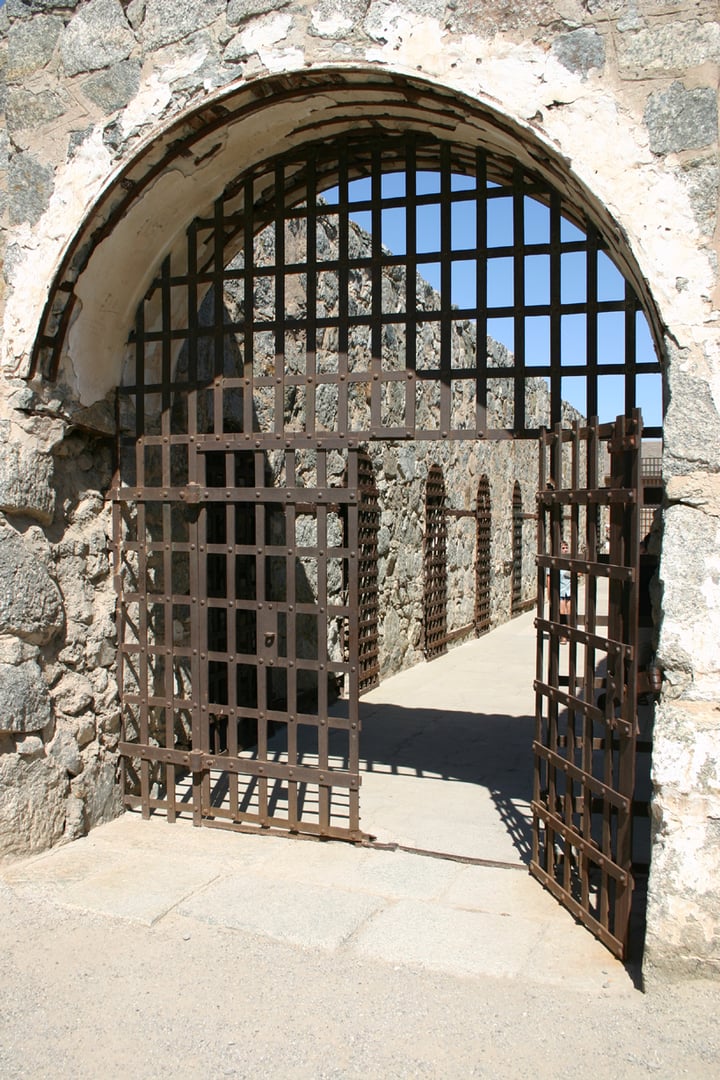
Yuma, AZ
Yuma Territorial Prison operated from 1876 to 1909 on a bluff overlooking the Colorado River in Yuma, Arizona. It held 3,069 prisoners during its 33-year operation, including 29 women. The facility became a state historic park and has been voted by USA Today readers as the Best Haunted Destination in the nation.
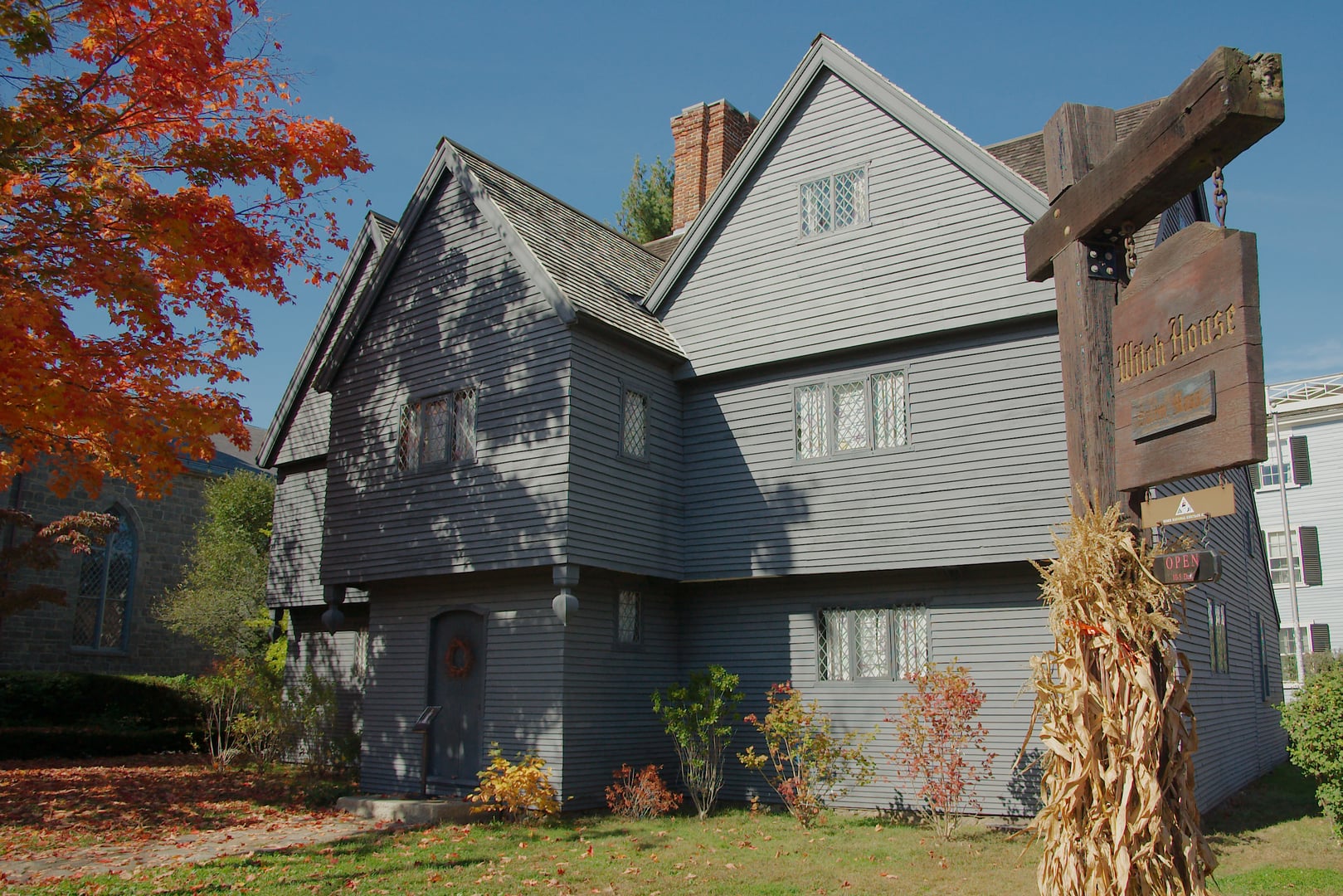
Salem, MA
The Jonathan Corwin House at 310 Essex Street is the only surviving structure in Salem with direct ties to the 1692 Salem witch trials. Built circa 1675 and purchased by Corwin that same year, the house served as the site of pretrial examinations for several of the accused. The property has operated as a museum since 1948 under City of Salem ownership.