Self-Guided Visit
Daytime Museum Visit
Self-guided tour of the restored 1905 Carnegie library, now the Kings County history museum, with exhibits across two floors of the Romanesque Revival building.
- Duration:
- 1 hr
HauntBound archive · catalog record
Reported phenomena, as catalogued
A 1905 Carnegie library in Hanford that hosts overnight ghost investigations and reports a librarian's ghost
109 E 8th St, Hanford, CA 93230
Research updated September 2026
Age
All Ages for daytime visits; investigation events may set a minimum age
Cost
$$
Museum admission is low-cost or donation; ticketed paranormal investigation weekends are priced separately
Access
Limited Access
Historic two-story building with interior stairs to upper levels and basement
Equipment
Photos OK
Est. 1905 · Carnegie Library · National Register of Historic Places · Romanesque Revival Architecture · Kings County Regional History
The building at 109 East Eighth Street opened in 1905 as Hanford's Carnegie library, funded by a $12,500 award from steel magnate Andrew Carnegie's library-building program. It was designed in a Romanesque Revival style by the McDougall Brothers and served as the community's public library for more than six decades.
When the city and county library systems merged and relocated in 1968, the Carnegie building was left vacant and faced demolition. Local residents raised funds to save and renovate it. In 1974, it reopened as the Hanford Carnegie Museum, dedicated to the history of Hanford and Kings County. It was added to the National Register of Historic Places on December 17, 1981.
In 2021 the institution adopted the name the Carnegie Museum of Kings County to reflect a broader focus on regional history. Its exhibits cover the agricultural and railroad history of the Central Valley county, along with the city's early-20th-century civic life.
The museum sits beside Hanford's Civic Center Park, part of a downtown core that retains a cluster of early-1900s public buildings. The two-story stone structure, with its basement and upper gallery, is the physical setting for the paranormal investigation events the museum has hosted in recent years.
Sources
The Carnegie Museum is among the better-known reportedly haunted buildings in Kings County, and unlike most such sites it has invited the public in to investigate. The Hanford Sentinel covered a two-night ghost investigation event hosted at the museum, the kind of ticketed program it has run more than once.
The reported phenomena follow a consistent pattern in accounts. Staff and visitors describe disembodied voices, banging and knocking sounds, and small objects found moved. A recurring figure in the lore is associated with a former librarian, fitting for a building that spent its first 63 years as a library.
The Porterville Ghost Society, a regional paranormal group, published an account of its work at the museum describing growling sounds, activity on the stairs, and shadow figures across the building's floors and basement. Their report and the newspaper coverage together establish the site's reputation beyond a single source.
The museum treats the paranormal interest as part of its programming rather than its mission. Daytime visitors come for the local-history exhibits; the after-dark investigations are separate ticketed events held on scheduled weekends.
Notable Entities
Self-guided tour of the restored 1905 Carnegie library, now the Kings County history museum, with exhibits across two floors of the Romanesque Revival building.
The museum has hosted ticketed paranormal investigation events, including multi-night ghost investigations open to the public. Dates and tickets vary by season; confirm current offerings with the museum directly.
Some links on this page may earn HauntBound a small commission when you book, at no extra cost to you. Our editorial picks are independent. Full disclosure
Every HauntBound history is researched from documented sources. We clearly separate verified historical fact from paranormal folklore.
Free Guide
10 verified stops, rated for families, mapped in order. Free.
One email to confirm, then the guide link. Unsubscribe anytime.
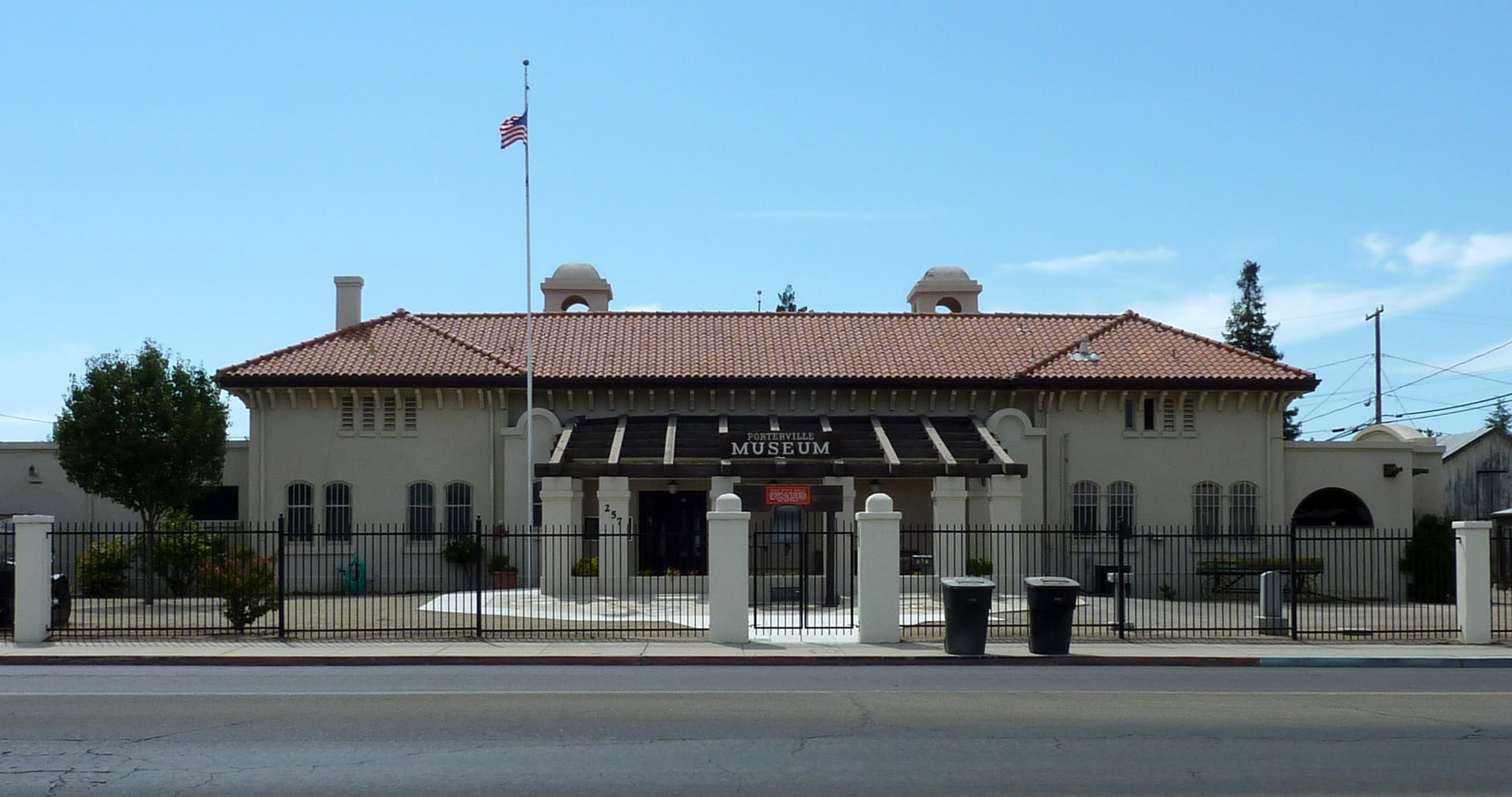
Porterville, CA
The Porterville Historical Museum occupies a 1913 Southern Pacific passenger station in Porterville. Converted to a museum in the 1960s, it preserves Tulare County history and now hosts ghost-hunting tours of the old depot.
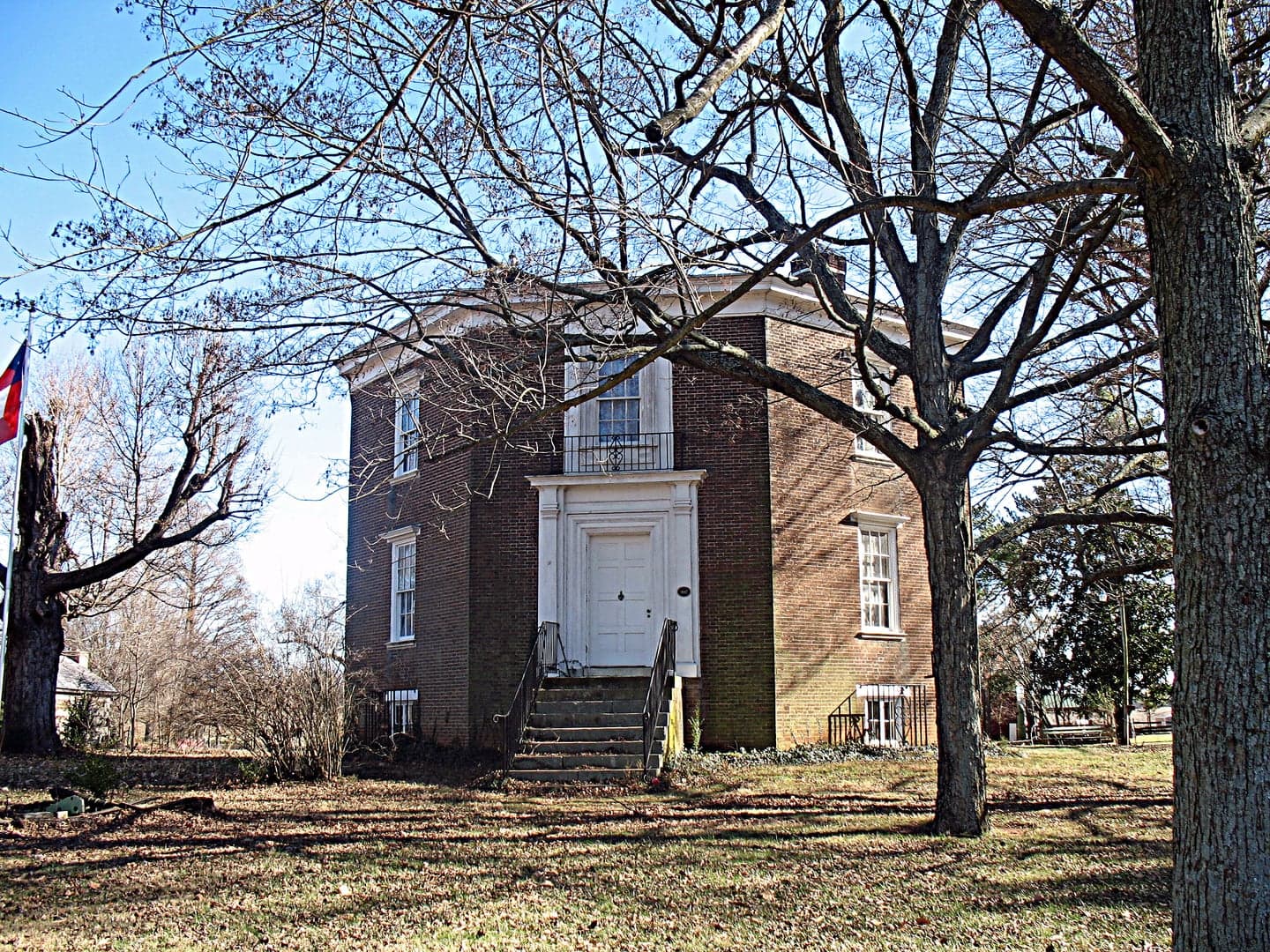
Franklin, KY
Andrew Jackson Caldwell laid the foundation of Octagon Hall in 1847, completing the distinctive eight-sided brick residence by approximately 1860. Built on 300 acres in Franklin, Kentucky, it served as a hospital for both Confederate and Union soldiers during the Civil War and as a hiding place for retreating Confederate troops. The Octagon Hall Foundation acquired the site in 2001 and operates it as a museum and investigation venue.
Saint Joseph, MO
William and Eliza Wyeth built this 43-room Gothic Revival mansion in 1879 using more than a million locally made bricks. The Wyeth family lived there for about eight years before selling the home to Kate Tootle. The Tootle family remained until 1947, when William Goetz, owner of the Goetz Brewery, purchased the mansion for use as the St. Joseph Museums.