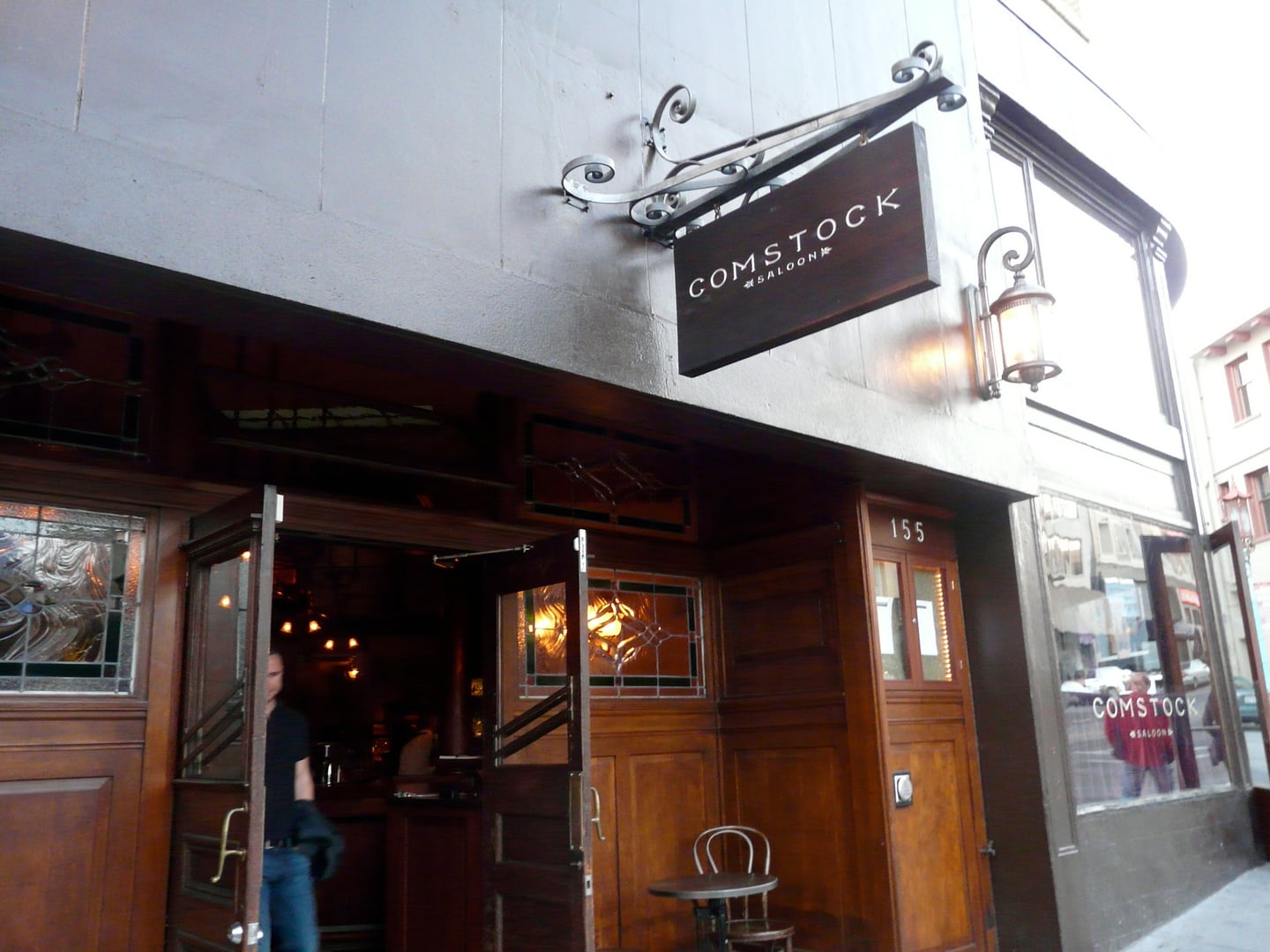
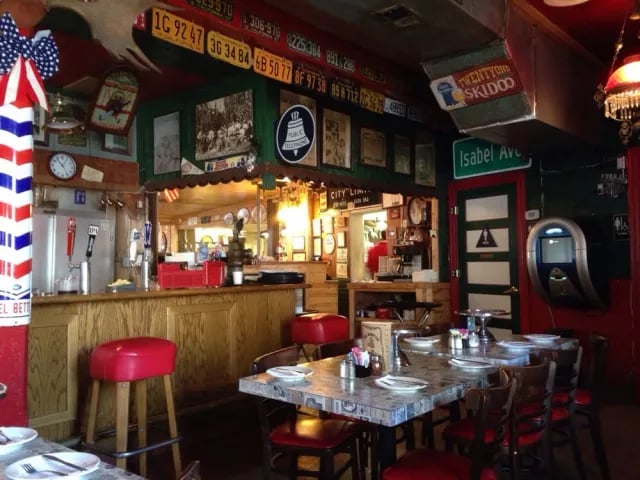
Est. 1880 · Historic Victorian Commercial Building · Pleasanton Main Street Heritage Corridor
Pleasanton's Main Street carries a rough history underneath its current character as a restaurant corridor. The town was known during the Gold Rush and frontier period as one of the most violent along the inland stage routes, with 19 bars and documented murders before the county seat was moved and the rougher element dispersed. The Victorian-era buildings that survived that period — commercial blocks from the 1870s through 1890s — now house restaurants, shops, and a few hotels.
The Blue Agave Club opened in 1997 in a building on the 625 block of Main Street that dates to the mid-to-late 1880s. Owner Susie Garcia built it into a fixture of downtown Pleasanton over the following two decades. By 2014, the restaurant had accumulated enough of a reputation for unexplained activity that ABC's 20/20 program featured it in a segment on haunted restaurants — a segment that documented Garcia's own accounts of footsteps on empty floors, objects moved between closing and opening, and a general sense of activity in the building after hours.
The building's pre-restaurant history is not fully documented in available public records, but its age — roughly 140 years as of the 2020s — places its construction during the period when Pleasanton was still emerging from its frontier character. The Museum on Main has included the Blue Agave Club as a documented stop on its annual Downtown Ghost Walk for multiple years.
Sources
- https://patch.com/california/pleasanton/what-haunted-pleasanton-eatery-was-featured-on-2020
- https://www.blueagaveclub.com/About-Us
- https://patch.com/california/pleasanton/5-creepiest-paranormal-places-pleasanton
Phantom footstepsObjects movedSense of presence
The paranormal reports at the Blue Agave Club come primarily from the people who work there. Owner Susie Garcia described the pattern to ABC's 20/20 in 2014: footsteps on floors that were confirmed empty, objects in different positions than they were left, a persistent sense of activity in the building outside business hours. Garcia's accounts were specific and consistent across the reporting.
The 20/20 segment placed the Blue Agave Club alongside other documented haunted restaurants — a category the program revisited periodically — and Garcia's matter-of-fact framing of the experiences stood out: she wasn't frightened, she was reporting what she observed. She noted the phenomena were ongoing and had been consistent for years of operation.
Local Patch coverage corroborated the building's reputation independently of the 20/20 segment, listing it among Pleasanton's most credibly reported paranormal sites. The Museum on Main has included it as a documented stop on the annual Downtown Ghost Walk for multiple years — a walk that now covers roughly ten Main Street buildings with documented histories of unexplained reports. What entity might be responsible is not addressed in any of the coverage; the reports describe activity without attribution.
Where this legend is told