Est. 1949 · F.W. Woolworth Five-and-Dime · World War II Basement Shelter · Mid-Century Downtown Retail Landmark
The F.W. Woolworth Company built its downtown Bakersfield store in the mid-twentieth century, anchoring a stretch of 19th Street in the city's commercial core. The five-and-dime included a luncheonette with a long soda-fountain counter, a fixture of Woolworth stores nationwide.
During World War II the building's basement was designated as a shelter, and accounts hold that period supplies remained stored there long afterward. The basement became part of the building's lore as the store aged.
The F.W. Woolworth store closed in January 1994, part of the chain's nationwide retreat. Later that same year the space reopened as an antique mall, retaining the original luncheonette counter as a working vintage soda fountain. The mall fills the ground floor with dealer booths, and the preserved counter remains one of its best-known features.
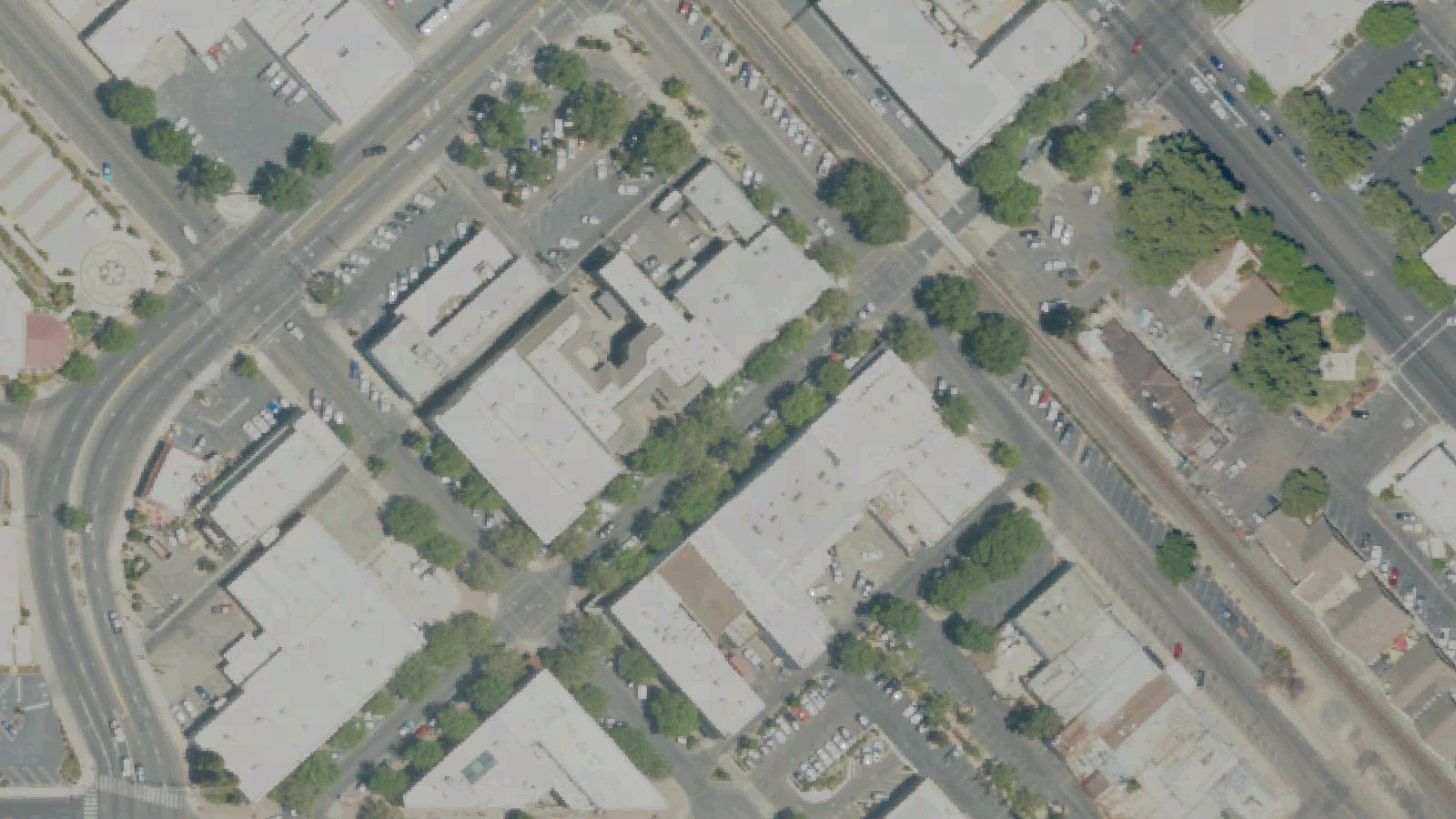
The building stands at 1400 19th Street and is recognized in local coverage as one of downtown Bakersfield's surviving mid-century retail landmarks. It appears regularly on downtown ghost-tour routes, which fold its WWII basement and its retail past into the city's haunted-history programming.
Sources
- https://www.historicwoolworths.com/bakersfield
- https://www.bakersfield.com/special/seasons/10-buildings-that-many-say-are-haunted-in-bakersfield/article_44ff6cb6-1263-5878-aa25-cbf85f193661.html
- https://www.loc.gov/item/2017703234
Objects rearranged overnight
The building's resident haunting is attributed to a figure local tellers call Arnold. The recurring claim is that displays and merchandise are found rearranged in the morning, as if someone had moved through the closed mall during the night.
Local coverage of Bakersfield's haunted buildings names the Woolworth's as one of the downtown sites with a standing ghost story, and the antique mall has become a fixture on the city's ghost-tour routes, where guides recount the Arnold accounts alongside the building's WWII basement history. The reports are the kind of after-hours folklore common to old retail buildings rather than the product of formal investigation.
The haunting accounts are presented as part of the building's character rather than as a marketed attraction. Visitors browse the mall by day, and the stories surface mainly through staff anecdotes and the seasonal tour programming that includes the site.
Where this legend is told