Self-Guided Visit
Self-guided ghost town tour
Walk the preserved mining camp, including the assay/smelting building, mess hall, blacksmith shop, hanging tree, and cemetery.
- Duration:
- 1.5 hr
HauntBound archive · catalog record
Reported phenomena, as catalogued
+ 2 further entries on record
The preserved ghost town around Arizona's richest historic gold mine, discovered by Henry Wickenburg in 1863, now a flashlight-tour destination famous for its hanging tree, miners' cemetery, and reported apparitions.
36610 N 355th Ave, Wickenburg, AZ 85390
Research updated September 2026
Age
All Ages
Cost
$$
Paid general admission for daytime self-guided visits; separate ticketed evening flashlight ghost tours and paranormal experiences.
Access
Limited Access
Open desert ghost town with uneven dirt paths, historic ruins, and mine-area ground.
Equipment
Photos OK
Est. 1863 · One of Arizona's most productive historic gold mines · Founded by town namesake Henry Wickenburg · Preserved frontier mining ghost town with surviving structures · Site of a documented hanging tree and miners' cemetery
In 1863 the Prussian-born prospector Henry Wickenburg discovered a rich gold-bearing outcrop in the desert southwest of present-day Wickenburg, Arizona. The strike became the Vulture Mine, which over its working life produced tens of millions of dollars in gold and silver and is often called the most important gold mine in Arizona's history. The nearby town of Wickenburg is named for him.
A company town, Vulture City, grew up around the mine. At its height it supported thousands of residents and included homes, saloons, a post office, boarding houses, a school, an assay and smelting operation, a blacksmith shop, and other works. Frontier justice was meted out at the camp's hanging tree, where local tradition holds that numerous men were executed for crimes such as murder and 'highgrading' (stealing ore). A cemetery on the property holds the graves of miners and townspeople.
Henry Wickenburg's own life ended in hardship. After a Hassayampa River dam burst in 1890 and destroyed his farm, he fell into poverty. He died on May 14, 1905, of a gunshot wound to the head; the death was officially ruled a suicide, though the circumstances were considered suspicious by some at the time. He is buried in the Henry Wickenburg Pioneer Cemetery overlooking the Hassayampa valley.
After the mine's productive years ended, Vulture City was largely abandoned. It has since been preserved and operated as Vulture City Ghost Town, offering daytime self-guided tours of the ruins as well as ticketed evening ghost tours and paranormal experiences.
Sources
Vulture City has a deep paranormal reputation that has drawn ghost-tour operators and television crews. The assay and smelting building is described by the operator as the 'paranormal heart' of the town, and visitors report shadows, disembodied voices, and even the apparition of founder Henry Wickenburg said to appear in the smelting room (Vulture City Ghost Town; Phoenix Ghosts).
Staff and guests commonly report footsteps following behind them, whispering voices, and the sound of pickaxes striking stone where no one is working. The mess hall is associated with phantom cooking smells lingering long after the kitchen fell out of use, and the caretaker's house has its own tradition of strange noises shared by those who have lived on site (Shadowlands submission; Vulture City Ghost Town).
The hanging tree, where frontier justice was carried out, and the camp cemetery further down the road both feature in visitor accounts of feeling watched and sensing death. Cave-ins and the hanging tree mark spots where people died at the camp. Some local Shadowlands-era accounts add a 'headless horseman' figure near the cemetery; that particular claim appears only in user-submitted folklore and is not independently documented, so it is best treated as campfire lore rather than a corroborated sighting.
The site offers ticketed flashlight ghost tours that lean into this reputation, and it has been featured in paranormal television investigations.
Notable Entities
Walk the preserved mining camp, including the assay/smelting building, mess hall, blacksmith shop, hanging tree, and cemetery.
Guided after-dark tour through the darkened buildings with historical and paranormal storytelling.
Some links on this page may earn HauntBound a small commission when you book, at no extra cost to you. Our editorial picks are independent. Full disclosure
Every HauntBound history is researched from documented sources. We clearly separate verified historical fact from paranormal folklore.
Free Guide
10 verified stops, rated for families, mapped in order. Free.
One email to confirm, then the guide link. Unsubscribe anytime.
Cleveland, OH
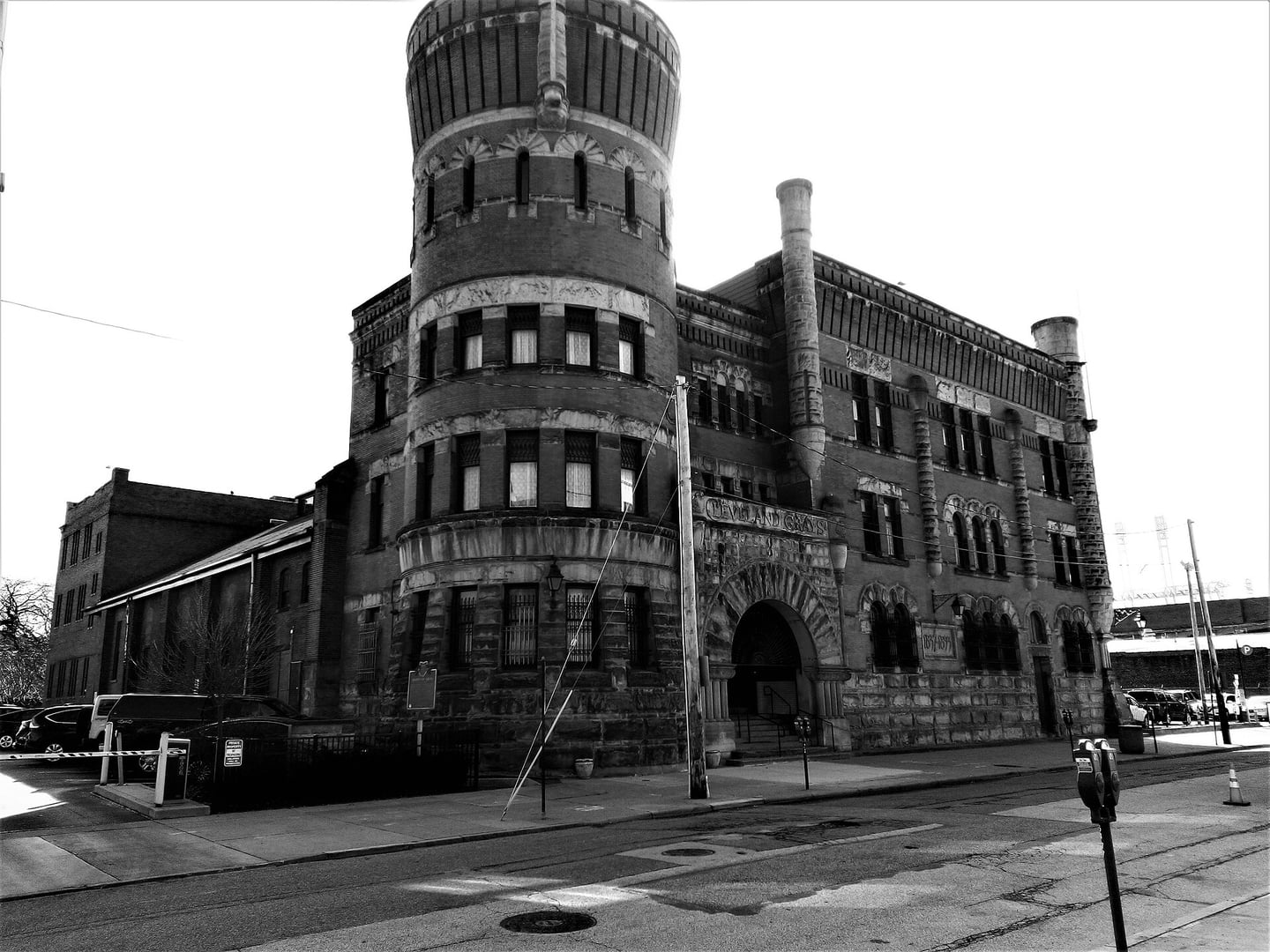
Strange & Spooky Cleveland Tours is described as Cleveland's only locally owned and operated ghost walk, led by paranormal author and investigative historian William G. Krejci.
Galveston, TX
The Strand Historic District in Galveston was established as the city's commercial core beginning in the 1840s and became one of the most important commercial centers in Texas by the 1870s. The surviving 1877-era iron-front commercial buildings along the Strand survived the September 8, 1900 hurricane that killed between 6,000 and 12,000 people in Galveston and destroyed most residential structures on the island. During the recovery period, the Strand district buildings served as mass morgues, triage stations, and temporary housing for survivors, a role documented in local newspaper accounts from September and October 1900.
Chicago, IL
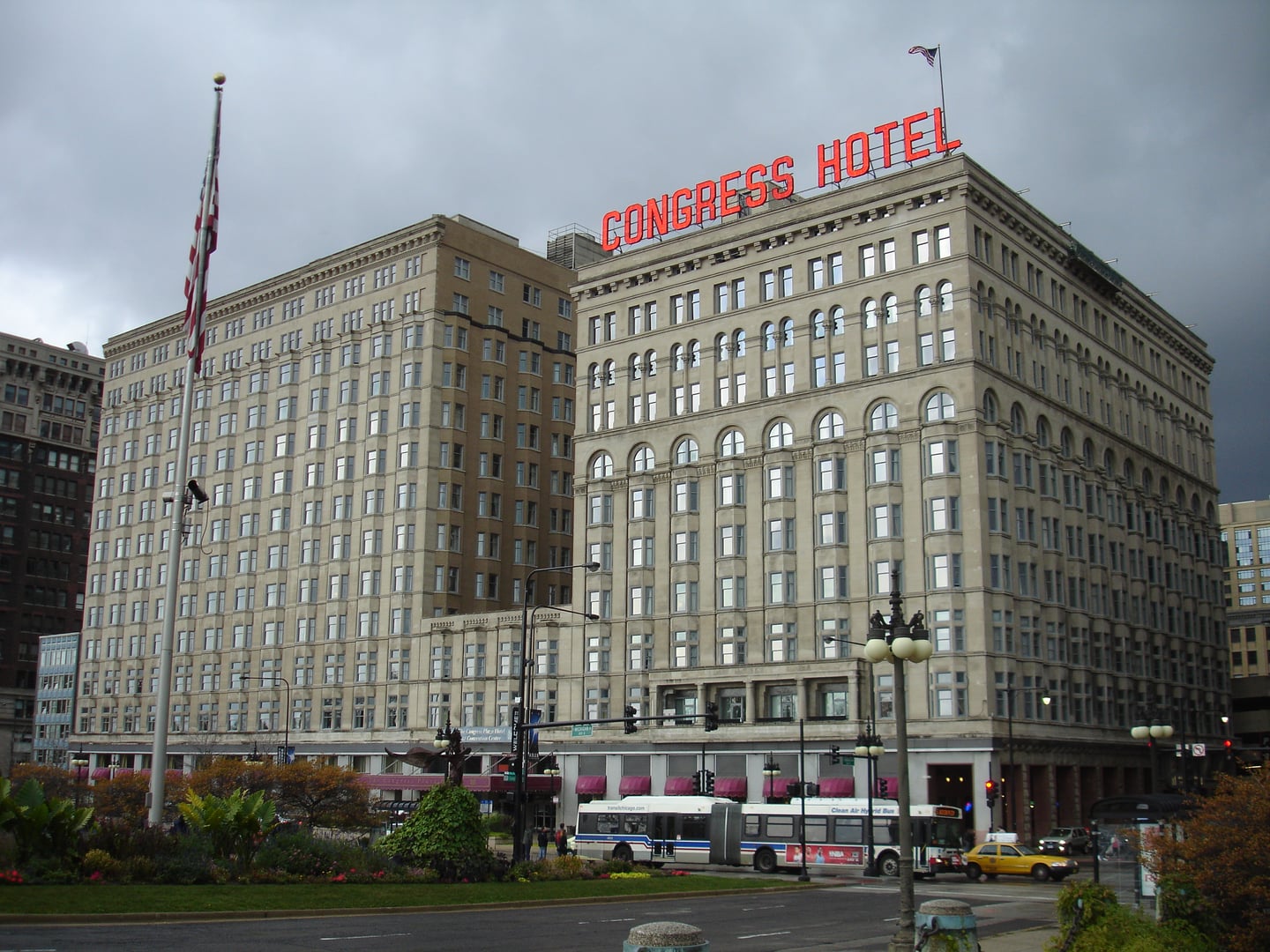
Chicago Hauntings Ghost Tours, now operated under the American Ghost Walks brand, runs evening walking and bus tours through Chicago's Loop, Lincoln Park, and southwest suburbs. The company's flagship Original Chicago Hauntings Tour departs Saturday evenings from the Congress Plaza Hotel.