Dinner Booking Required
Dinner at Nobuo at Teeter House
Dine inside the 1899 bungalow that was Eliza Teeter's home for 54 years; now an Asian-style teahouse and izakaya by chef Nobuo Fukuda.
- Duration:
- 1.5 hr
HauntBound archive · catalog record
Reported phenomena, as catalogued
+ 1 further entry on record
An 1899 Midwestern bungalow in Phoenix's Heritage Square, longtime home of widowed boarding-house keeper Eliza Teeter for 54 years until her 1965 death there, now a restaurant where staff report her enduring presence.
622 E Adams Street, Phoenix, AZ 85004
Research updated September 2026
Age
All Ages
Cost
$$$
Currently home of Nobuo at Teeter House restaurant; dinner pricing applies
Access
Wheelchair OK
Historic bungalow with porch entry; ramps available
Equipment
Photos OK
Est. 1899 · Part of Heritage Square, downtown Phoenix's preserved enclave of early-territorial-era homes · Home of widowed boarding-house keeper Eliza Teeter for 54 years (1911-1965) · Now home to award-winning Nobuo at Teeter House restaurant
The Bouvier-Teeter House was constructed in 1899 by Leon Bouvier, a cattleman and flour miller, as a Midwestern bungalow-style residence in what was then a Phoenix neighborhood of similar middle-class homes. The block survives today as part of Heritage Square, the city's preserved enclave of early-territorial-era housing.
In 1911, Eliza Teeter — born in Kansas, who had moved to Arizona in 1892 — traded her farmland in Tempe to Bouvier in exchange for the downtown home. Eliza had been widowed and was left to raise six children on her own. She bought the house in 1911 and rented it out until 1919, when she moved in and began operating it as a boarding house.
Eliza ran the boarding house for the next several decades, raising her family and becoming a permanent fixture in the neighborhood. She lived in the home for 54 years total, dying there in 1965 at age 96 in what staff and historical materials refer to as the Garden Room.
After Eliza's death, the home passed through several uses including events space and live music venue. It is now home to Nobuo at Teeter House, an Asian-style teahouse and izakaya operated by James Beard Award-winning chef Nobuo Fukuda. The home is part of the Heritage Square historic district administered by The Square PHX, which preserves the surrounding block of early Phoenix homes.
Sources
According to multiple Phoenix-area sources, Eliza Teeter's spirit is said to remain in the house she occupied for 54 years. Restaurant employees have repeatedly described a roll of paper towels unspooling and spinning of its own accord — phenomena reported across different staff members and time periods, as documented by Get Ghosted PHX and Phoenix New Times.
The most-cited piece of evidence is a photograph reportedly captured by the Arizona Desert Ghost Hunters showing a woman peeking out from behind a chair in the Garden Room — the room where Eliza died in 1965. Ghost-tour narratives identify the figure as Eliza herself, though HauntBound has not independently verified the photograph or the investigators' methodology.
Visitors and tour participants report a generally benevolent presence consistent with Eliza's documented role as a widowed mother of six who turned her home into a long-running boarding house. Cold spots, soft footsteps, and the sense of a quietly attentive female presence are common reports during ghost tours of Heritage Square.
Unlike the more sensationalized Phoenix haunted-restaurant cases, the Teeter House lore is grounded in a well-documented life: Eliza was not the victim of violence or sudden tragedy, simply a long-tenured matriarch who lived and died in the same home. Tour operators frame her presence as a continuation rather than an unresolved haunting.
Notable Entities
Media Appearances
Dine inside the 1899 bungalow that was Eliza Teeter's home for 54 years; now an Asian-style teahouse and izakaya by chef Nobuo Fukuda.
Explore the surrounding Heritage Square block of preserved Victorian and early-1900s Phoenix homes during open hours.
Some links on this page may earn HauntBound a small commission when you book, at no extra cost to you. Our editorial picks are independent. Full disclosure
This Phoenix tour includes Bouvier-Teeter House on its route.
Every HauntBound history is researched from documented sources. We clearly separate verified historical fact from paranormal folklore.
Free Guide
10 verified stops, rated for families, mapped in order. Free.
One email to confirm, then the guide link. Unsubscribe anytime.
Phoenix, AZ
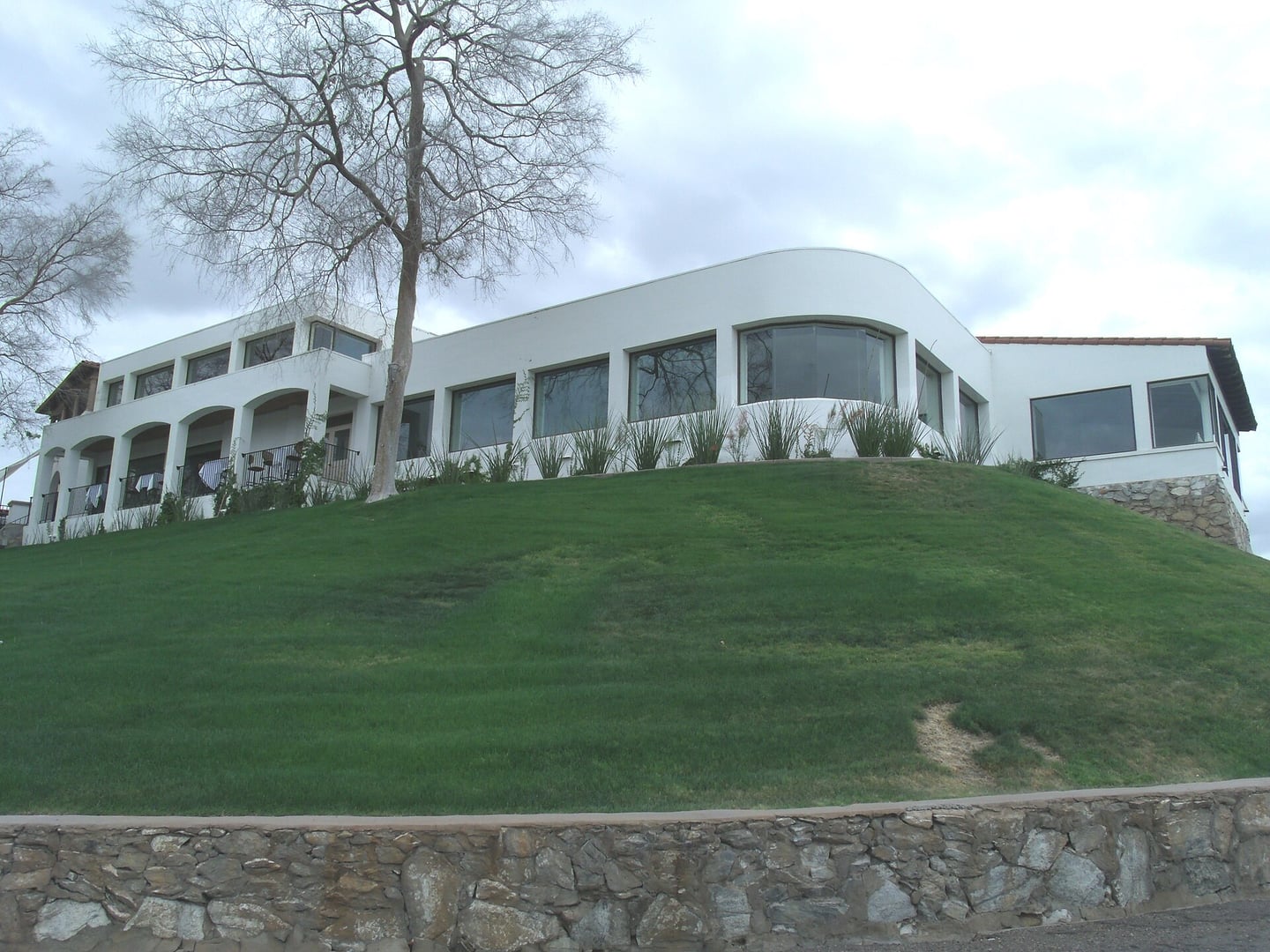
The Wrigley Mansion was built between 1929 and 1931 by chewing-gum magnate William Wrigley Jr. as a 50th-anniversary gift for his wife Ada Foote Wrigley. The 16,000-square-foot, 24-room hilltop home — the smallest of the family's five residences — was barely complete before William Wrigley Jr. died there on January 26, 1932. The Wrigley family used the property as a winter residence into the 1970s before selling it to Western Savings, which operated it as a private club. Today it operates as a restaurant, private club, and event venue with public tours.
Atlanta, GA
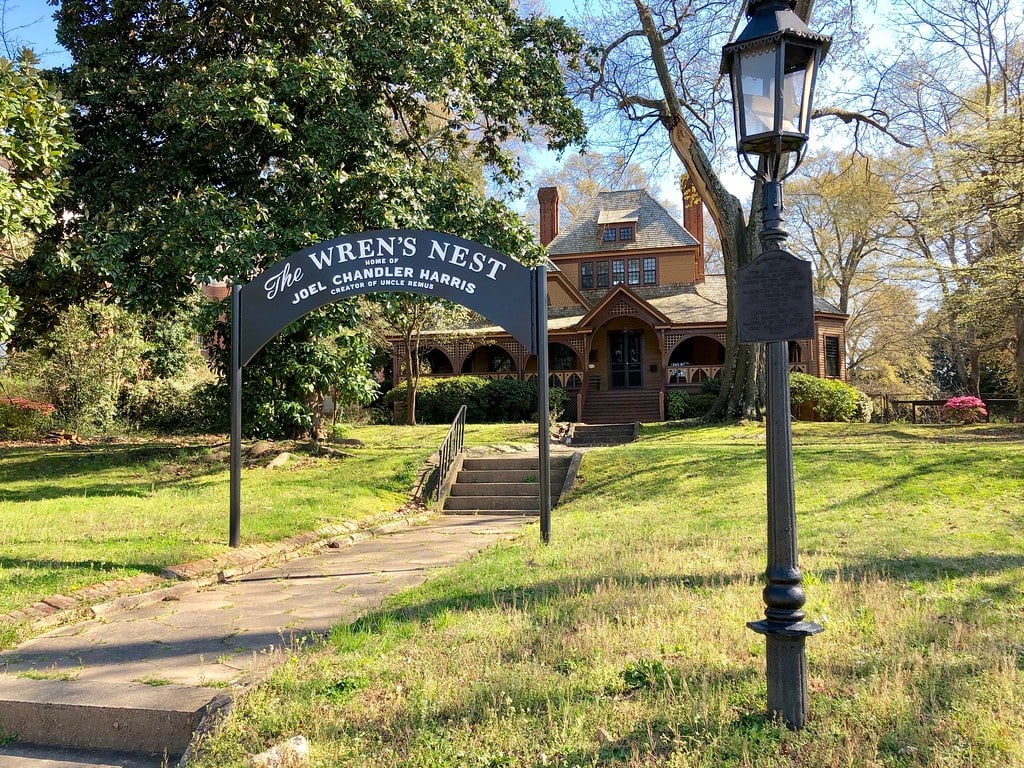
The Wren's Nest is a Queen Anne-style historic house in Atlanta's West End neighborhood. Built circa 1868 with major 1884 Queen Anne renovations; rented by Joel Chandler Harris from 1881, purchased 1883, and his residence until his 1908 death. Designated a National Historic Landmark on December 19, 1962. Operated as Atlanta's oldest house museum.
Madison, IN
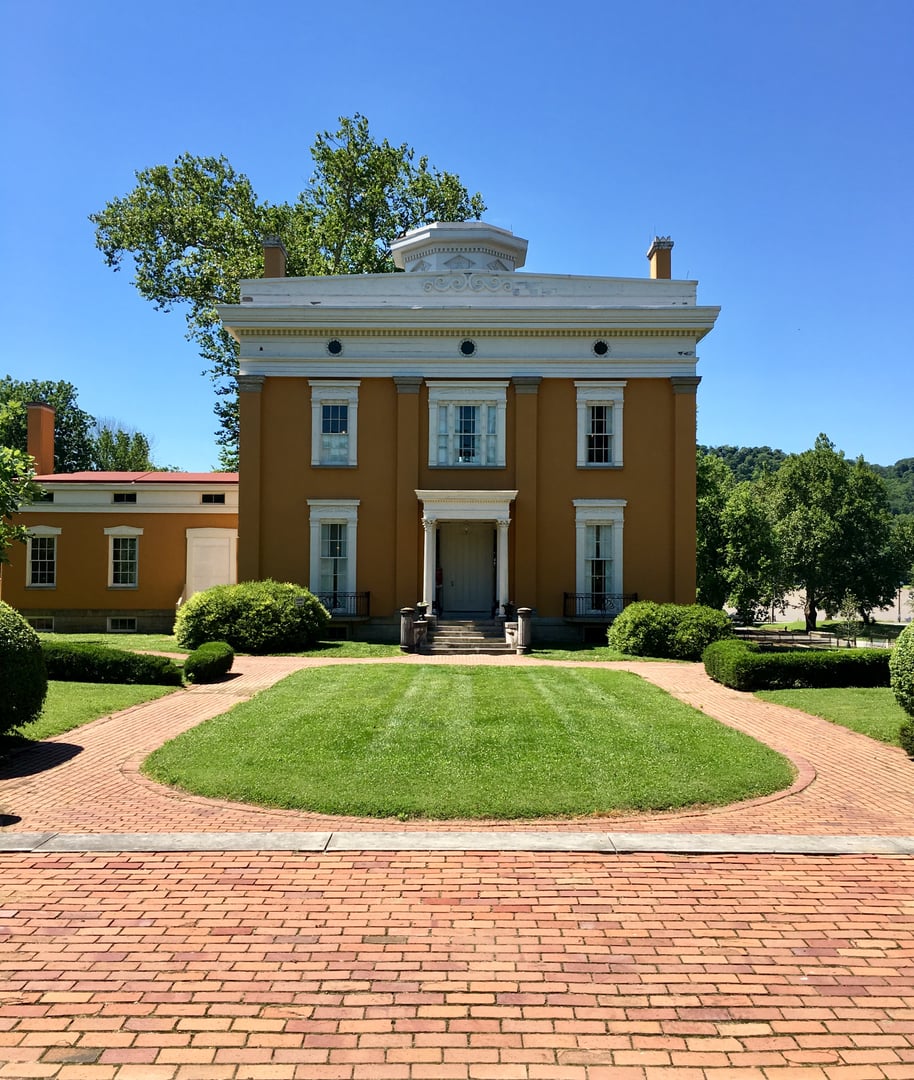
Greek Revival mansion completed in 1844 for banker James F. D. Lanier and designed by Madison architect Francis Costigan. The property was donated by the family in 1917, became a State Memorial in 1926, and was designated a National Historic Landmark in 1994.