Est. 1919 · National Register of Historic Places (Congress Street Historic District) · Art Nouveau Architecture · Tucson Cultural Landmark · Live Music History
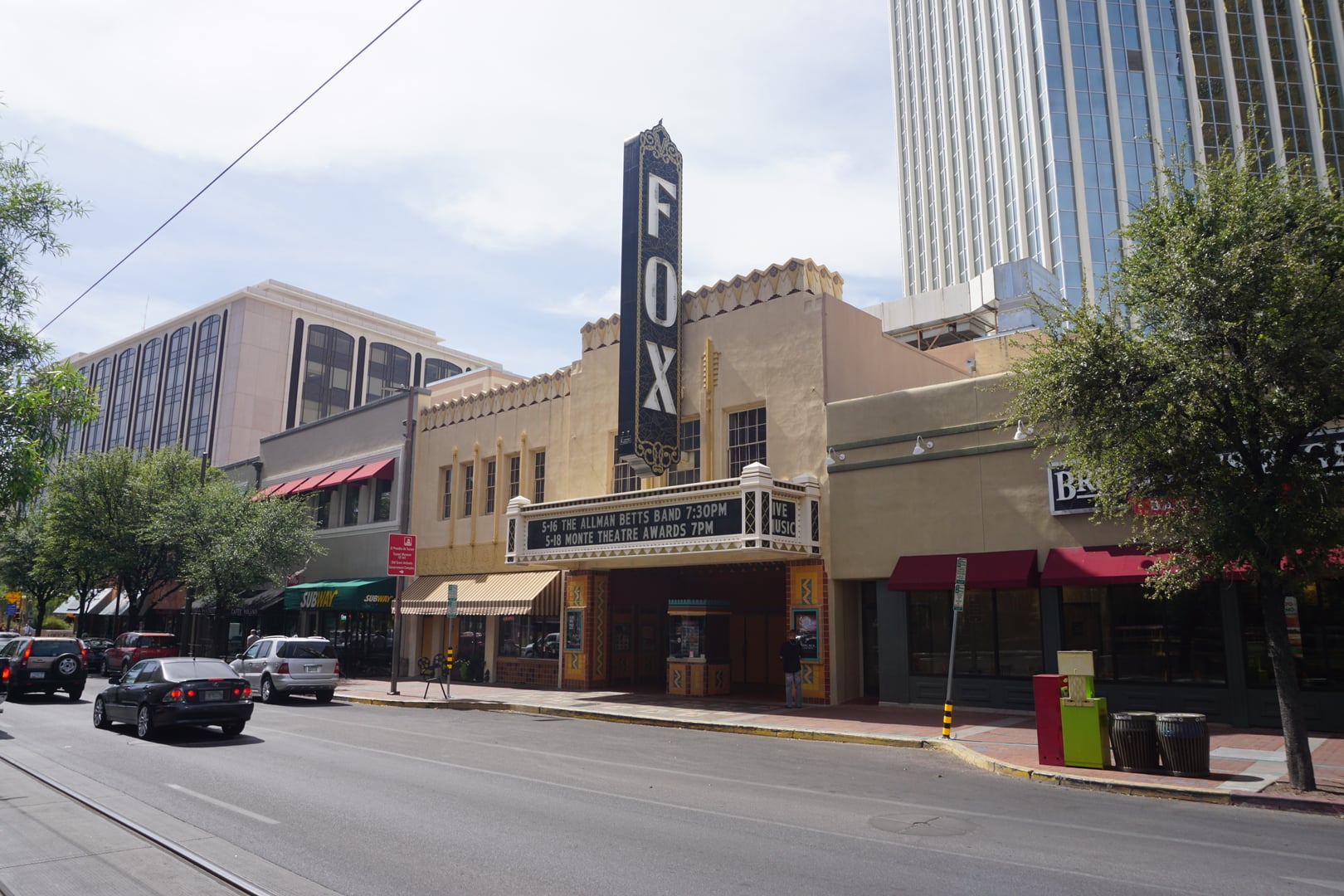
The Rialto Theatre opened on March 15, 1920, at 318 E. Congress Street in downtown Tucson. It was designed by Los Angeles architect William Curlett (of the firm William Curlett & Son) in an Art Nouveau style, with ornate painted murals on the interior walls and a Kilgen pipe organ that cost $7,500 — a substantial investment for the era. The first silent film shown was The Toll Gate.
The theatre operated as a movie house through most of the twentieth century before transitioning to a live music venue. By the 1940s the orchestra pit served a live house band; this is the period from which the building's most documented incident dates. According to the theatre's own historical materials, a piano player in the pit died in the mid-1940s when his bench collapsed under him, the piano fell, and he struck the concrete edge of the pit. He died from his injuries.
The Rialto was listed on the National Register of Historic Places as part of the Congress Street Historic District. After a period of decline it was renovated and reopened as an independent music venue, now operating with a capacity of 1,350. Ticketmaster and Live Nation list it for major touring acts. The theatre celebrated its centennial in 2020.
The venue's own website acknowledges the pianist story as part of its history, and the building has been included in Pima County Library's documented accounts of reported hauntings in Tucson.
Sources
- https://www.rialtotheatre.com/history/
- https://en.wikipedia.org/wiki/Rialto_Theatre_(Tucson,_Arizona)
- https://www.library.pima.gov/content/ghosts-in-tucson/
Phantom piano musicShadow figure in balconyFootsteps on empty stageCold spotsObjects moved overnight
The pianist who died in the mid-1940s when his bench collapsed and the piano fell on him is the anchor of the Rialto's paranormal reputation, and the reported activity corresponds closely to where he worked. Disembodied piano music is among the most frequently described phenomena — music with no physical source, heard in the main hall. Staff arriving before opening have described the sound of piano notes from the direction of the pit.
A shadow figure in the balcony is the most consistently reported visual. Multiple independent accounts, including those collected by Phoenix Ghosts and the Metal Insider feature on haunted venues, describe a dark shape in the upper seating area visible briefly before disappearing. No physical explanation has been identified. The figure is reported during both performances and empty-building periods.
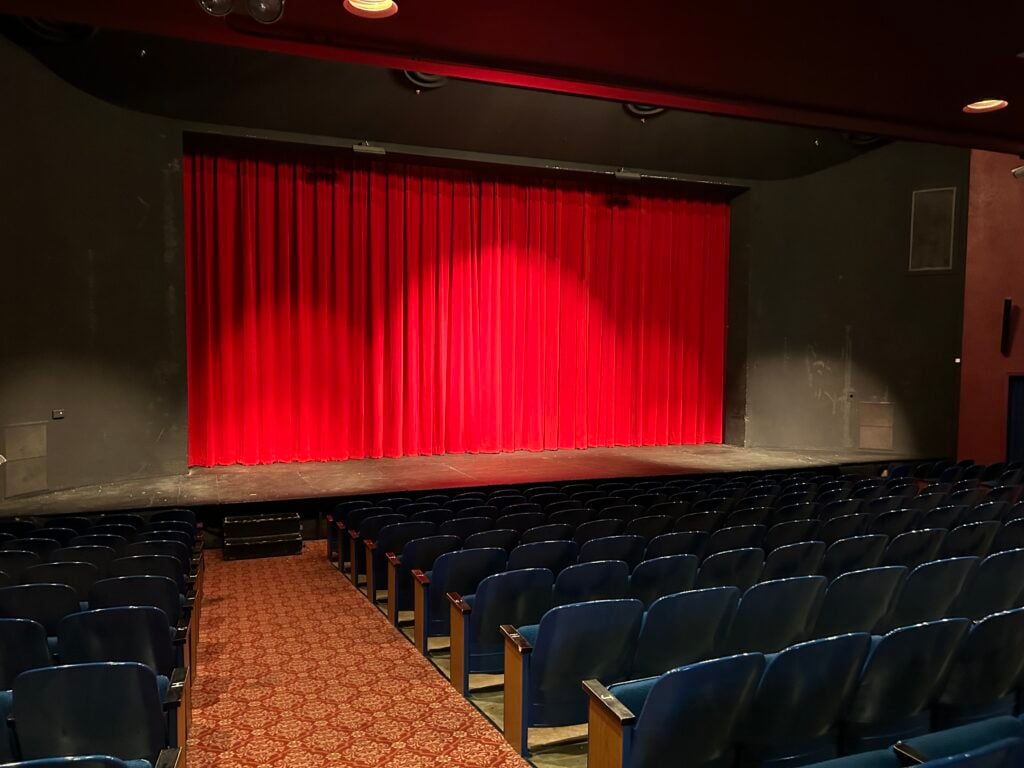
Additional reports include footsteps crossing the stage, unexplained cold spots in the main hall, and objects found moved from their overnight positions. The Rialto's ghost tours, offered on select dates, incorporate documented accounts from performers and employees gathered over decades of the building's operation as a live venue.
Notable Entities
The Pianist (mid-1940s, unnamed)
Where this legend is told