Est. 1942 · Juvenile Corrections History · Catholic Institutional Care · Mid-20th Century Social Services
The Good Shepherd Home for Girls represents a significant institutional presence in Phoenix's mid-twentieth-century social services landscape. Built in 1942, the facility began operations as a residential institution in 1947, serving as the primary state-level female child-caring facility for Arizona's juvenile justice system. The institution housed girls aged 12-18 who were adjudicated to the facility by juvenile courts, the Bureau of Indian Affairs, and other state agencies. The Sisters of the Good Shepherd, an international Catholic religious order operating approximately 400 schools worldwide, administered the Phoenix facility with a documented capacity of approximately 200 residents. The institution provided residential care, education, and behavioral intervention programming under a custodial model typical of mid-twentieth-century juvenile corrections. The facility operated continuously through the 1960s and 1970s, with closure occurring around 1981.
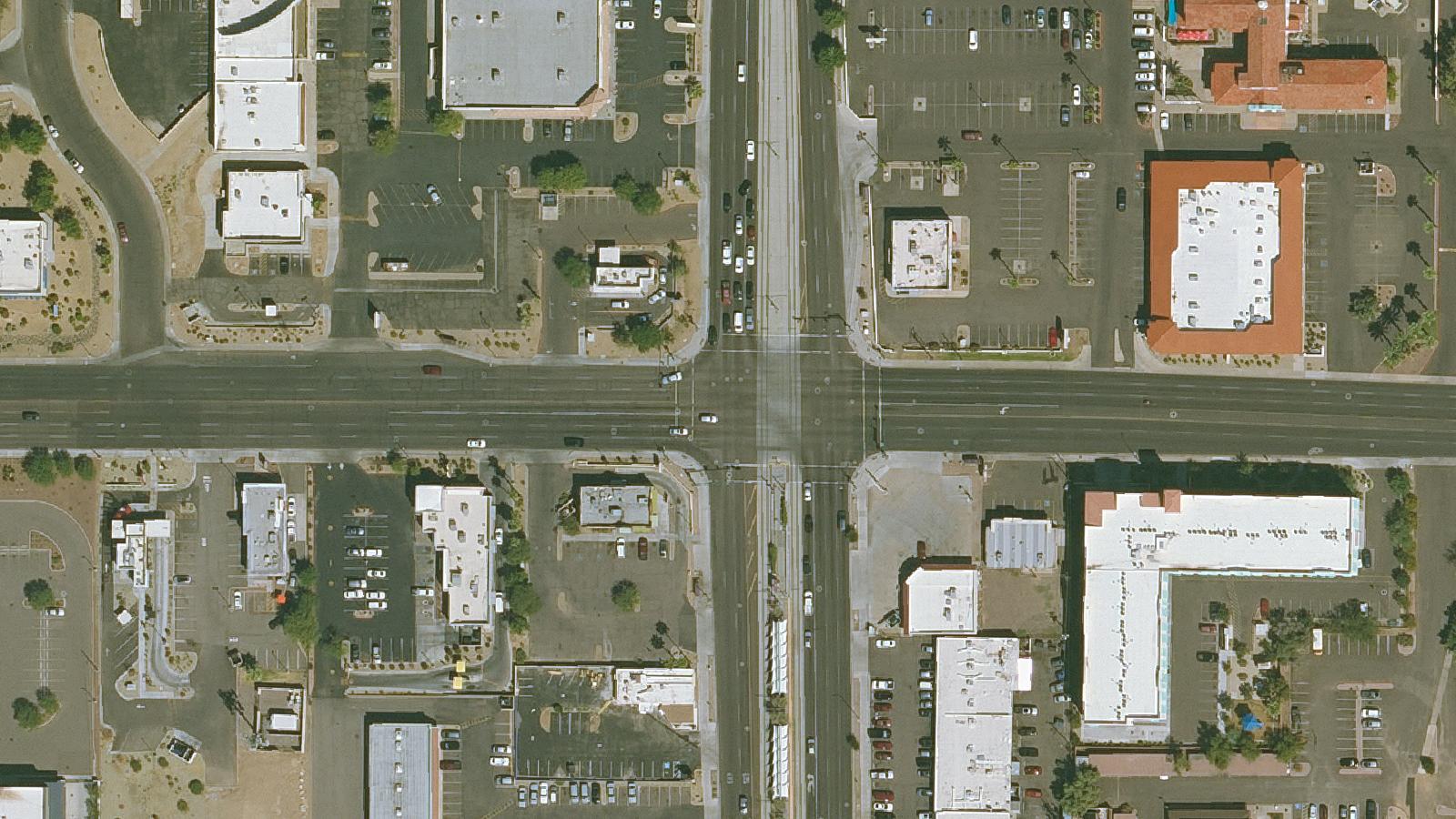
The property was acquired after it was offered for sale in 1982. The original Good Shepherd building was preserved and architecturally integrated into a modern retail complex developed on the site in 1959. The historic structure remains visible as part of the contemporary shopping center. Subsequent renovations in 2004 updated facility infrastructure while maintaining the original building's preservation status. The shopping center is currently anchored by Sprouts Farmers Market with additional retail tenants including Bookmans and Walgreens.
Sources
- https://commons.wikimedia.org/wiki/File:Phoenix-Good_Shepherd_Home_for_Girls-1947.JPG
- https://www.facebook.com/CityofPhoenixAZ/posts/the-historic-good-shepherd-home-for-girls-structure-was-built-in-1942-and-is-loc/2941636645929309/
Phantom voicesPhantom soundsApparitionsObject movement
The paranormal reputation of 19th Avenue and Northern derives primarily from the site's period of abandonment after the Good Shepherd Home's closure around 1981. Before the existing strip mall was fully developed and occupied, derelict buildings stood vacant on the property, accessible to exploration and urban exploration communities. Teenagers during this period reportedly entered the abandoned structures through broken fencing, using flashlights to navigate dark corridors. According to accumulated folklore narratives, explorers heard vocalizations—specifically whimpering and crying sounds—emanating from the deteriorated structures, though precise attribution of these sounds to paranormal sources versus structural noise, animal presence, or psychological response to environment was never established.
More dramatically, some nocturnal visitors claimed to have observed gravestones in moonlit areas of the site—a set of three markers arranged with one large stone flanked by two smaller stones—that were not present upon subsequent daylight inspection. Such accounts suggest either misidentification of ground features, psychological expectation effects amplified by context (dark, abandoned structure), or deliberate fabrication for social entertainment.
Stories of torture and murder were attributed to the site through speculation rather than documented historical incident. The building's history as a juvenile corrections facility—housing girls who were socially and legally marginal—provided thematic resonance with narratives of institutional violence, though no archival evidence documents abuse or death at the Good Shepherd Home.
The paranormal legend essentially served as folk-processing of institutional trauma narratives, mapping unverified horrors onto a real location of custody and correction. No formal paranormal investigation reports from established research organizations have been published. The closure of abandoned structures and development of commercial retail space eliminated the primary conditions enabling paranormal investigation and legend propagation.