Est. 1861 · National Park Service Site · First Civil War Battle West of the Mississippi · Death Site of General Nathaniel Lyon · Ray House Field Hospital
On August 10, 1861, approximately 5,400 Union troops under Brigadier General Nathaniel Lyon attacked a Confederate and Missouri State Guard force of approximately 12,000 under Major General Sterling Price and Brigadier General Ben McCulloch at Wilson's Creek, ten miles southwest of Springfield, Missouri. The engagement was the first major battle of the Civil War west of the Mississippi and the second major battle overall after First Bull Run.
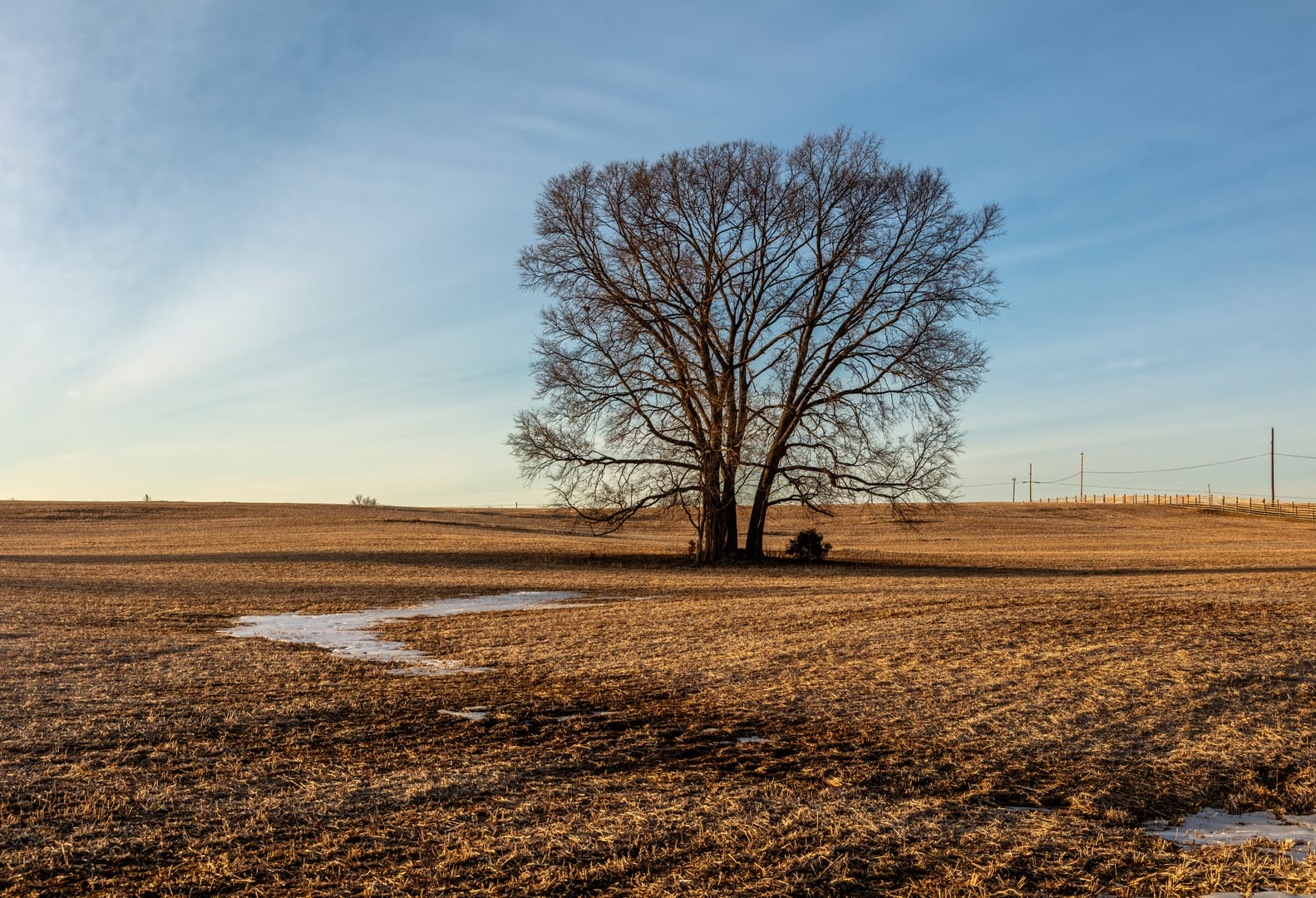
Lyon attempted a coordinated dawn assault, with Colonel Franz Sigel's brigade attacking the Confederate rear while Lyon's main force engaged from the north. Sigel's column was routed early in the day. The principal fighting concentrated on a low rise that became known as Bloody Hill, where Lyon's outnumbered Union force held against repeated Confederate assaults for nearly six hours. Lyon was killed leading a counterattack on Bloody Hill, becoming the first Union general killed in combat during the war.
Union casualties totaled 1,317; Confederate and Missouri State Guard casualties totaled 1,222. The Union force withdrew to Rolla after Lyon's death. The Confederate victory was tactical rather than decisive; Missouri remained contested throughout the war and never formally joined the Confederacy.
The Ray family farmhouse on the battlefield was pressed into service as a field hospital during and after the battle. The 1852 frame house remains standing on the battlefield grounds, restored to its period appearance. General Lyon's body was briefly held at the Ray House before being returned to Connecticut.
The National Park Service established Wilson's Creek National Battlefield in 1960 and now manages 1,962 acres of preserved battlefield. The Visitor Center museum, auto tour loop, and Ray House are open year-round under NPS administration.
Sources
- https://www.nps.gov/wicr/planyourvisit/basicinfo.htm
- https://www.nps.gov/wicr/planyourvisit/things2do.htm
- https://www.legendsofamerica.com/mo-wilsoncreek/
- https://wilsonscreek.com/
Phantom soundsPhantom voicesCold spotsResidual hauntingApparitions
Bloody Hill produces the largest share of Wilson's Creek's paranormal reports. Visitors walking the loop trail at dawn or dusk have described the distant rumble of artillery, the impression of horses moving through the field, and the indistinct sound of voices on the wind. The accounts are consistent enough across decades to have entered regional folklore, and southwestern Missouri paranormal investigators have catalogued them as a textbook residual haunting case.
The Ray House draws a different set of accounts. The 1852 frame structure served as a Confederate field hospital during and after the August 10 battle, and the bodies of wounded and dying soldiers from both sides filled its rooms in the hours following the engagement. General Nathaniel Lyon's body was briefly held in the house before being shipped to Connecticut for burial. Visitors have reported the faint sound of moans in the upstairs rooms, the sense of being watched, and cold spots that move through specific chambers. NPS rangers staffing the house have declined to characterize the accounts as paranormal but note the consistency of visitor reports.
The site is managed by the National Park Service for historical interpretation rather than paranormal investigation. The auto-tour stops and ranger-led programs concentrate on documented military history. Visitors interested in the more atmospheric accounts can simply walk the loop at off-peak hours; the battlefield's preserved acreage and the relative isolation of the southwestern Missouri location amplify whatever attention the place asks for.
Notable Entities
Soldiers of the August 10, 1861 engagement